Residential Fencing & Outdoor Construction: A Homeowner’s Guide to Better Outdoor Spaces
Discover how residential fencing and outdoor construction can transform your property. This guide covers redwood fences, decks, retaining walls, and planning tips for Bay Area homeowners looking to enhance their outdoor living spaces.
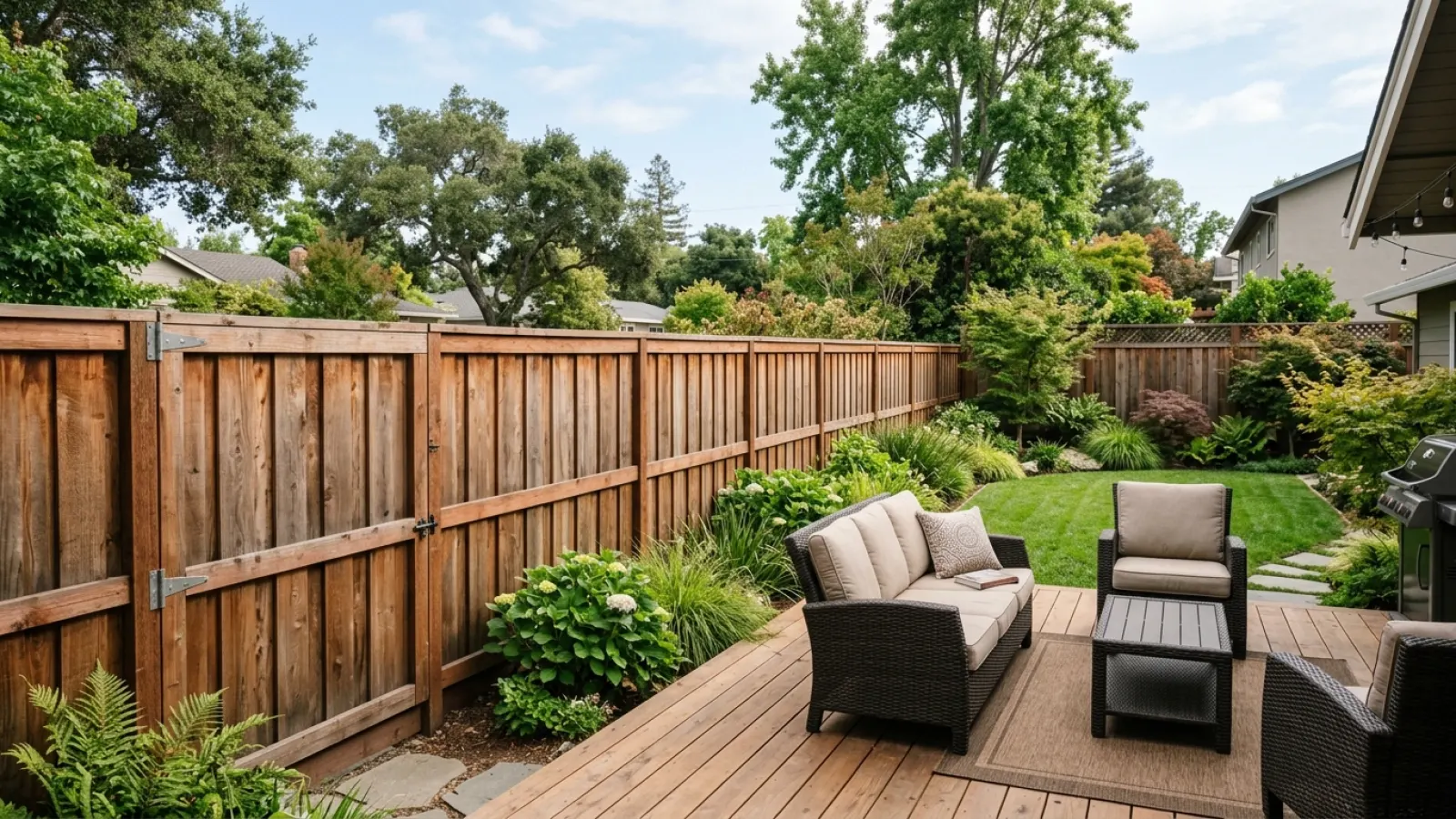
For homeowners, the outdoor space is more than just a yard; it’s an extension of the home itself, a place for relaxation, entertainment, and family. Enhancing these areas through thoughtful outdoor construction not only increases property value but also significantly improves quality of life. Companies like A & J Fencing have become trusted partners for homeowners across San Francisco, Oakland, San Jose, and the Tri-Valley area, delivering quality craftsmanship on projects ranging from decks and retaining walls to gates and patio covers. Their expertise in creating a durable and beautiful redwood privacy fence demonstrates how personalized service and reliable solutions can transform an ordinary backyard into a private sanctuary.
Why Invest in Residential Fencing and Outdoor Construction?
A well-planned outdoor project offers a multitude of benefits that go beyond simple aesthetics. From defining property lines to creating functional living areas, these improvements are a practical investment in your home's security, privacy, and overall enjoyment.
Enhancing Privacy and Security
One of the primary drivers for residential fence installation is the desire for privacy. A solid backyard fencing solution creates a secluded retreat where you can unwind without feeling exposed to neighbors or passersby. Fencing also provides a critical security barrier, keeping children and pets safely contained while deterring unauthorized access to your property.
Defining Property Lines and Improving Aesthetics
Fencing clearly delineates your property boundaries, preventing potential disputes with neighbors. A professionally installed fence, whether it's classic redwood or another high-quality material, adds architectural character and boosts your home’s curb appeal. It frames your landscaping and creates a polished, cohesive look.
Increasing Functionality and Usability
Thoughtful outdoor construction transforms underutilized yards into functional spaces. Decks and patio covers create comfortable areas for dining and entertaining, while retaining walls can turn a sloped, unusable hill into a terraced garden or level lawn. These projects effectively expand your home’s living area into the outdoors.
Key Elements of Outdoor Construction Projects
Successful outdoor spaces often combine several elements working in harmony. Understanding the role of each component helps homeowners plan a project that meets their specific needs.
Redwood Fencing: A Bay Area Favorite
In Northern California, redwood fencing is a popular choice for good reason. Redwood is naturally resistant to decay, termites, and the region's variable weather conditions. Its rich color and beautiful grain lend a warm, natural elegance to any property. While the initial investment may be higher than some alternatives, its longevity and low maintenance requirements make it a cost-effective choice over time.
Planning Your Ideal Privacy Fence
When designing a privacy fence, several factors come into play:
- Height: Most privacy fences are six feet tall, but local regulations can vary. It's crucial to check city ordinances and any Homeowners' Association (HOA) guidelines.
- Design: Options range from solid board-on-board designs for maximum privacy to fences with a decorative lattice top for a lighter, more open feel.
- Durability: Proper installation, including securely set posts and high-quality fasteners, is essential for a fence that will withstand wind and time.
Residential Gates: The Perfect Entryway
A gate is more than just an access point; it’s a key design element of your fencing system. Residential gates should be built from materials that match or complement the fence. The hardware, including hinges and latches, must be robust enough to handle frequent use. Consider the gate’s width based on your needs—a wider gate may be necessary for moving lawn equipment or wheelbarrows.
Expanding Living Space with Decks and Patio Covers
Decks and patio covers are excellent ways to create dedicated outdoor living zones. A deck provides a stable, elevated platform for furniture and grills, while a patio cover offers shade and protection from the elements, allowing you to enjoy your space even on hot or rainy days. Together, they form a true outdoor room for relaxation and socializing.
The Structural Importance of Retaining Walls
For properties with slopes or grade changes, retaining walls are essential. They prevent soil erosion and manage water runoff, protecting your home’s foundation and landscaping. More importantly, they create level, usable tiers of land that can be used for patios, gardens, or play areas, maximizing the potential of a challenging lot.
Protecting Your Landscape with Deer Fencing
In many parts of the Bay Area, deer can be a significant challenge for gardeners and landscapers. Deer fencing is a specialized solution designed to protect your plants without obstructing your view. Using durable materials like wire mesh, effective deer fence panels are tall enough to prevent deer from jumping over, safeguarding your investment in your garden.
Planning Your Project: A Step-by-Step Guide
Before breaking ground, careful planning is essential for a smooth and successful project.
- Define Your Goals: Clearly identify what you want to achieve. Is your main priority privacy, security, creating an entertainment space, or all of the above?
- Research Local Regulations: Check with your city's planning department for permit requirements for fences, decks, and retaining walls. Don't forget to review any HOA rules.
- Consider Material Selection: Weigh the pros and cons of different materials based on appearance, durability, maintenance, and budget. Redwood, cedar, vinyl, and composite are all popular options.
- Evaluate Site Conditions: Assess your property's soil type, slope, and any existing obstacles like trees or utility lines. These factors will influence the design and installation process.
- Hire a Professional: While some smaller projects can be a DIY endeavor, professional installation is recommended for most residential fencing and outdoor construction. An experienced contractor ensures the job is done correctly, safely, and up to code.
Frequently Asked Questions (FAQ)
What is the best material for a fence in the Bay Area?
Redwood is widely considered one of the best materials for Bay Area fencing due to its natural resistance to moisture, decay, and insects. Cedar is another excellent wood option. For lower maintenance, vinyl and composite materials are also popular choices that hold up well in the local climate.
How long does a typical fencing or deck project take?
The timeline depends on the project's size and complexity. A standard residential fence installation can often be completed in a few days. A custom deck or a large retaining wall may take one to several weeks, depending on factors like design, site preparation, and weather.
Do I need a permit for a new fence or retaining wall?
Permit requirements vary by city and county. Generally, fences over a certain height (often six feet) and retaining walls over a certain height (often four feet) require a permit. It is always best to check with your local building department before starting any construction.