Heavy Equipment Financing Solutions: How Smart Financing Helps Construction Businesses Grow and Preserve Cash Flow
Smart heavy equipment financing allows construction companies to acquire essential machinery without depleting capital. This guide explores financing options, asset-backed loans, and strategies for managing monthly payments to support business growth and financial stability.
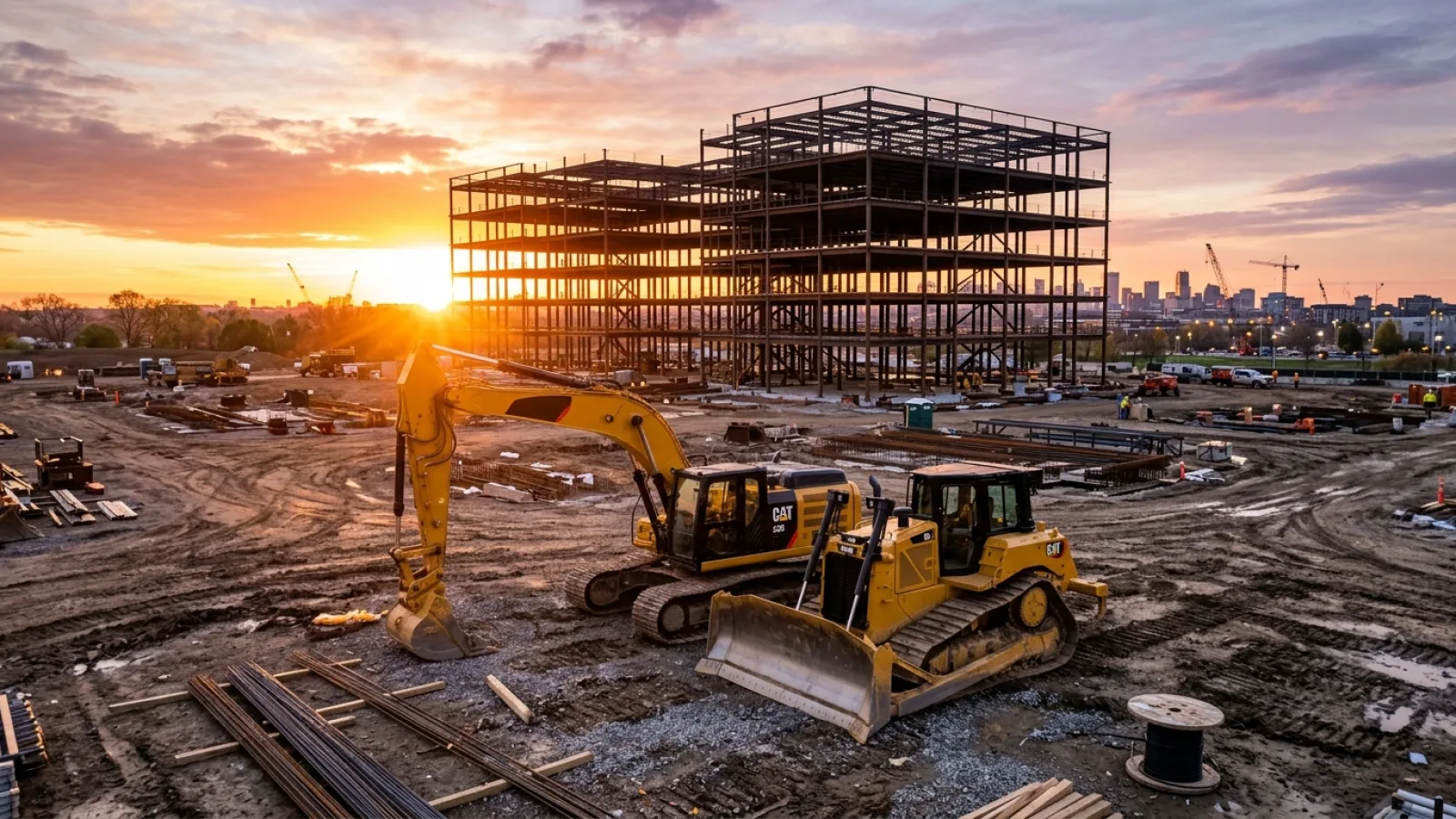
In the capital-intensive construction industry, acquiring and maintaining a modern fleet of heavy machinery is non-negotiable for success. However, the substantial cost of excavators, bulldozers, cranes, and loaders can strain cash flow, limiting a company's ability to bid on new projects or cover operational expenses. This is where strategic financing becomes a critical business tool. Companies like Thirty3 Capital offer professional heavy construction equipment financing, providing tailored solutions that help businesses secure essential assets. Through services like asset-backed financing, monthly payment planning tools, and flexible strategies, contractors can acquire the machinery they need while managing costs and protecting their financial health.
Why Heavy Equipment Financing Matters
Heavy equipment financing is more than just a loan; it's a strategic lever for growth. For construction businesses, access to the right machinery directly impacts project timelines, safety, and profitability. Outdated or insufficient equipment can lead to costly delays, increased maintenance expenses, and an inability to compete for larger, more lucrative contracts. Smart construction equipment financing allows companies to bypass the enormous upfront cost of purchasing, enabling them to deploy capital towards other critical areas like payroll, materials, and marketing. This financial flexibility is essential for navigating the cyclical nature of the construction industry and seizing opportunities as they arise.
Buying vs. Financing Heavy Machinery
The decision to buy equipment outright with cash versus financing it involves a trade-off between ownership equity and financial liquidity. While owning an asset is appealing, tying up significant capital can be a strategic disadvantage. Financing preserves cash, making it available for immediate operational needs and unexpected expenses. It also provides predictable monthly payments that can be easily integrated into project budgets.
Table: Buying vs. Financing Equipment
| Factor | Buying (Cash Purchase) | Financing |
|---|---|---|
| Initial Cost | High upfront capital outlay | Low initial cost (down payment) |
| Cash Flow Impact | Significant, immediate reduction in cash reserves | Minimal initial impact; predictable monthly payments |
| Ownership | Immediate ownership and equity | Builds equity over time; lender holds lien until paid |
| Balance Sheet | Asset and corresponding reduction in cash | Asset and corresponding liability (loan) |
| Technology Upgrades | Difficult; requires selling old equipment to buy new | Easier to upgrade to newer models at the end of the term |
| Tax Implications | Depreciation deductions (Section 179) | Interest and depreciation deductions often available |
Types of Equipment Financing
Several types of heavy machinery financing are available, each suited to different business needs and financial situations. Understanding these options helps contractors choose the most effective path for their equipment investment strategy.
- Equipment Loans: A traditional term loan where a lender provides funds to purchase equipment. The business owns the asset from day one, and the equipment itself typically serves as collateral.
- Equipment Finance Agreements (EFAs): Similar to a loan, but the lender, not the borrower, holds the equipment title until the agreement is fully paid. EFAs often offer more flexible terms.
- Capital Leases (or Finance Leases): A long-term lease structured like a purchase. At the end of the term, the lessee usually has the option to buy the equipment for a nominal price. It is treated as an asset and liability on the balance sheet.
- Operating Leases: A short-term rental agreement. The business gets to use the equipment for a set period but does not build equity. This is ideal for specific projects or for machinery that quickly becomes obsolete.
Table: Financing Options Comparison
| Financing Type | Best For | Key Feature | Ownership |
|---|---|---|---|
| Equipment Loan | Long-term asset acquisition and building equity. | Straightforward loan with predictable payments. | Immediate ownership. |
| EFA | Flexible terms and potential for 100% financing. | Lender retains title until the final payment. | Ownership at end of term. |
| Capital Lease | Businesses wanting ownership with lease-like payments. | Includes a buyout option, often for $1. | Acts like a purchase for accounting. |
| Operating Lease | Short-term needs or rapidly advancing technology. | Lower monthly payments; no ownership. | Lessor retains ownership. |
Asset-Backed Financing Explained
Asset-backed financing is a cornerstone of the equipment lending industry. In this model, the loan is secured by the value of the machinery being financed. This is highly beneficial for construction businesses because the equipment itself is the primary collateral. Lenders focus more on the asset's value and its ability to be resold rather than solely on the company's credit history or cash flow statements. This can open up financing opportunities for newer businesses or those with less-than-perfect credit.
Table: Asset-Backed Financing Benefits
| Benefit | Description |
|---|---|
| Easier Approval | The equipment's intrinsic value reduces the lender's risk, often leading to higher approval rates. |
| Preserves Other Collateral | Business owners do not need to pledge other assets like real estate or accounts receivable. |
| Better Loan Terms | Because the loan is secured, lenders may offer more competitive interest rates and longer repayment terms. |
| Supports Growth | Allows companies to acquire necessary equipment without diluting equity or draining working capital. |
Managing Monthly Equipment Payments
Effective management of monthly equipment payments is crucial for maintaining healthy cash flow. A well-structured financing plan aligns payments with the company's revenue cycle. For instance, companies in seasonal climates might opt for a payment plan with lower payments during winter months and higher payments during the peak construction season. Working with a financing partner to create a sustainable payment schedule is key to long-term financial stability.
Table: Monthly Payment Planning
| Strategy | How It Works | Best For |
|---|---|---|
| Standard Payments | Equal monthly payments over the loan term. | Businesses with stable, predictable year-round revenue. |
| Seasonal Payments | Payments are higher during peak season and lower or deferred during the off-season. | Contractors in regions with harsh winters or distinct busy seasons. |
| Deferred Payments | The first few payments are postponed, allowing the equipment to generate revenue before payments begin. | Companies taking on a large new project that needs time to ramp up. |
| Balloon Payments | Lower monthly payments with a large final payment at the end of the term. | Businesses that anticipate a significant cash influx or plan to sell the asset at term end. |
Choosing the Right Financing Partner
Not all lenders are created equal. The right financing partner understands the construction industry's unique challenges and opportunities. Look for a specialist in construction machinery loans who offers transparency, flexibility, and responsive customer service. An ideal partner acts as a consultant, helping you structure a deal that aligns with your business goals, rather than just providing a one-size-fits-all loan.
Protecting Business Cash Flow
The primary advantage of heavy equipment financing is cash flow preservation. A single piece of heavy machinery can cost hundreds of thousands of dollars. Paying cash for such an asset can deplete a company's liquid reserves, leaving it vulnerable to unexpected downturns or unable to fund growth initiatives. By financing, a business can spread the cost over several years, turning a massive capital expenditure into a manageable operating expense. This frees up cash for bidding on new jobs, hiring skilled labor, and covering daily operational costs.
Financing for Growing Construction Companies
For a construction company on a growth trajectory, financing is an indispensable tool. It enables strategic fleet expansion to meet the demands of larger and more numerous projects. A growing contractor can use financing to acquire specialized machinery for a specific job, enhancing their capabilities and competitive edge. As the company builds a history of successful projects and on-time payments, it can often secure better financing terms, creating a positive cycle of growth and investment.
Using Financial Planning Tools Before Investing
Before committing to a multi-year financing agreement, it is essential to conduct thorough financial planning. This involves calculating the total cost of ownership, not just the purchase price. Factors like fuel, insurance, maintenance, and operator costs must be considered to understand the equipment's true financial impact. A detailed budget helps determine what monthly payment the business can comfortably afford. To get an accurate estimate of potential financing costs, business owners can use an online heavy equipment financing calculator. This tool helps model different loan amounts, interest rates, and terms to project monthly payments and make an informed investment decision.
Table: Equipment Ownership Costs
| Cost Category | Examples | Considerations |
|---|---|---|
| Acquisition Costs | Purchase price, taxes, delivery fees, financing interest. | The sticker price is only the beginning. |
| Operating Costs | Fuel, oil, lubricants, operator wages, insurance. | These are ongoing expenses that directly impact project profitability. |
| Maintenance Costs | Routine servicing, replacement parts (tires, filters), major repairs. | Factor in both scheduled maintenance and unexpected breakdowns. |
| Disposal Costs | Costs to sell or decommission the equipment. | The resale value (residual value) can offset some ownership costs. |
Common Equipment Financing Mistakes
Avoiding common pitfalls can save a business significant time and money. Some frequent mistakes include:
- Ignoring the Total Cost: Focusing only on the monthly payment without considering interest rates, fees, and the total amount paid over the loan's life.
- Choosing the Wrong Term: A longer term means lower monthly payments but higher total interest. A term that outlasts the equipment's useful life is a major financial risk.
- Not Reading the Fine Print: Failing to understand prepayment penalties, insurance requirements, and other contractual obligations.
- Using the Wrong Financing Type: Selecting an operating lease for equipment you intend to keep long-term, or a loan for a short-term project need.
Technology and Digital Financing Solutions
The financing landscape is evolving with technology. Digital platforms are making the application and approval process for equipment loans faster and more transparent. Many lenders now offer online applications that can be completed in minutes, with approvals coming in hours instead of days. This speed allows contractors to act quickly when a piece of equipment becomes available or a new project opportunity arises. Digital tools also provide better access to documentation and payment management, streamlining the entire financing lifecycle.
Future Trends in Construction Equipment Financing
The future of construction equipment financing will likely be shaped by data and sustainability. Lenders are beginning to use telematics data from machinery to assess usage, wear-and-tear, and residual value more accurately, leading to more customized financing products. Additionally, as the industry moves toward electric and autonomous equipment, financing models will adapt. We may see more usage-based or 'pay-per-hour' financing structures, as well as green financing options that offer better terms for environmentally friendly machinery.
Real Example: Financing a Fleet Expansion
Consider a mid-sized excavation company, 'DigRight Contractors,' that wins a large municipal contract for a new subdivision. The project requires three additional mid-size excavators to meet the tight deadline. Purchasing them outright would cost over $600,000, draining their cash reserves. Instead, DigRight works with an equipment financing specialist to secure an asset-backed loan for the full amount. They make a small down payment and structure a 60-month term with predictable monthly payments. This allows them to take on the profitable project, generate immediate revenue from the new machines, and preserve their working capital for payroll and materials.
Final Recommendations
Heavy equipment financing is a powerful strategic tool that enables construction businesses to grow, compete, and maintain financial health. By preserving cash flow, providing access to modern technology, and offering predictable costs, financing empowers companies to scale operations sustainably. The key is to approach it strategically: understand the different financing options, calculate the total cost of ownership, and choose a financing partner who understands the nuances of the construction industry. When used wisely, construction equipment financing is not a debt; it's an investment in your company's future.
Contractor Financing Checklist
Before applying for financing, use this checklist to ensure you are prepared:
- Assess Your Needs: Clearly define the type of equipment needed and how it will contribute to revenue.
- Review Business Finances: Gather recent financial statements, including profit and loss, balance sheets, and cash flow statements.
- Check Your Credit: Know your personal and business credit scores. Address any inaccuracies before applying.
- Prepare a Business Plan: For newer businesses, a plan showing how the equipment will be used to generate income is crucial.
- Get Equipment Quotes: Have specific quotes from dealers for the machinery you intend to finance.
- Compare Lenders: Research at least two to three lenders specializing in construction financing. Compare their rates, terms, and customer reviews.
- Understand the Terms: Read the loan agreement carefully. Pay attention to interest rates, fees, and any prepayment penalties.
Table: Contractor Financing Checklist
| Step | Action Item | Status |
|---|---|---|
| 1. Needs Analysis | Identify specific equipment and project requirements. | ☐ Complete |
| 2. Financial Documentation | Compile P&L, balance sheet, and tax returns. | ☐ Complete |
| 3. Credit Review | Check business and personal credit scores. | ☐ Complete |
| 4. Equipment Sourcing | Obtain official quotes from equipment dealers. | ☐ Complete |
| 5. Lender Comparison | Evaluate offers from multiple financing specialists. | ☐ Complete |
| 6. Application Submission | Complete and submit all required application forms. | ☐ Complete |
| 7. Agreement Review | Carefully read and understand the final loan contract. | ☐ Complete |
Frequently Asked Questions (FAQ)
What credit score is needed for heavy equipment financing?
While a higher score (650+) is preferred, many lenders specializing in asset-backed financing can work with lower scores. The equipment's value is a primary consideration, so options are often available for various credit profiles.
Can I finance used equipment?
Yes, most lenders offer financing for both new and used heavy equipment. The terms may differ based on the age, condition, and expected lifespan of the used machinery.
What is the difference between an equipment loan and a lease?
With a loan, you are the owner of the equipment from the start and build equity with each payment. With a lease, you are essentially renting the equipment for a set term. Leases often have lower monthly payments and provide an easy way to upgrade equipment, but you don't build ownership equity unless it's a capital lease with a buyout option.
How long does the financing process take?
The timeline can vary, but with modern digital platforms, many lenders can provide an approval within 24-48 hours after receiving a completed application and the necessary documentation.