How Businesses Finance Heavy Machinery: Smart Equipment Acquisition Strategies
Discover how strategic heavy equipment financing allows businesses in construction, logistics, and agriculture to acquire essential machinery without depleting working capital, ensuring sustainable growth and operational stability.
1. Why Equipment Financing Matters
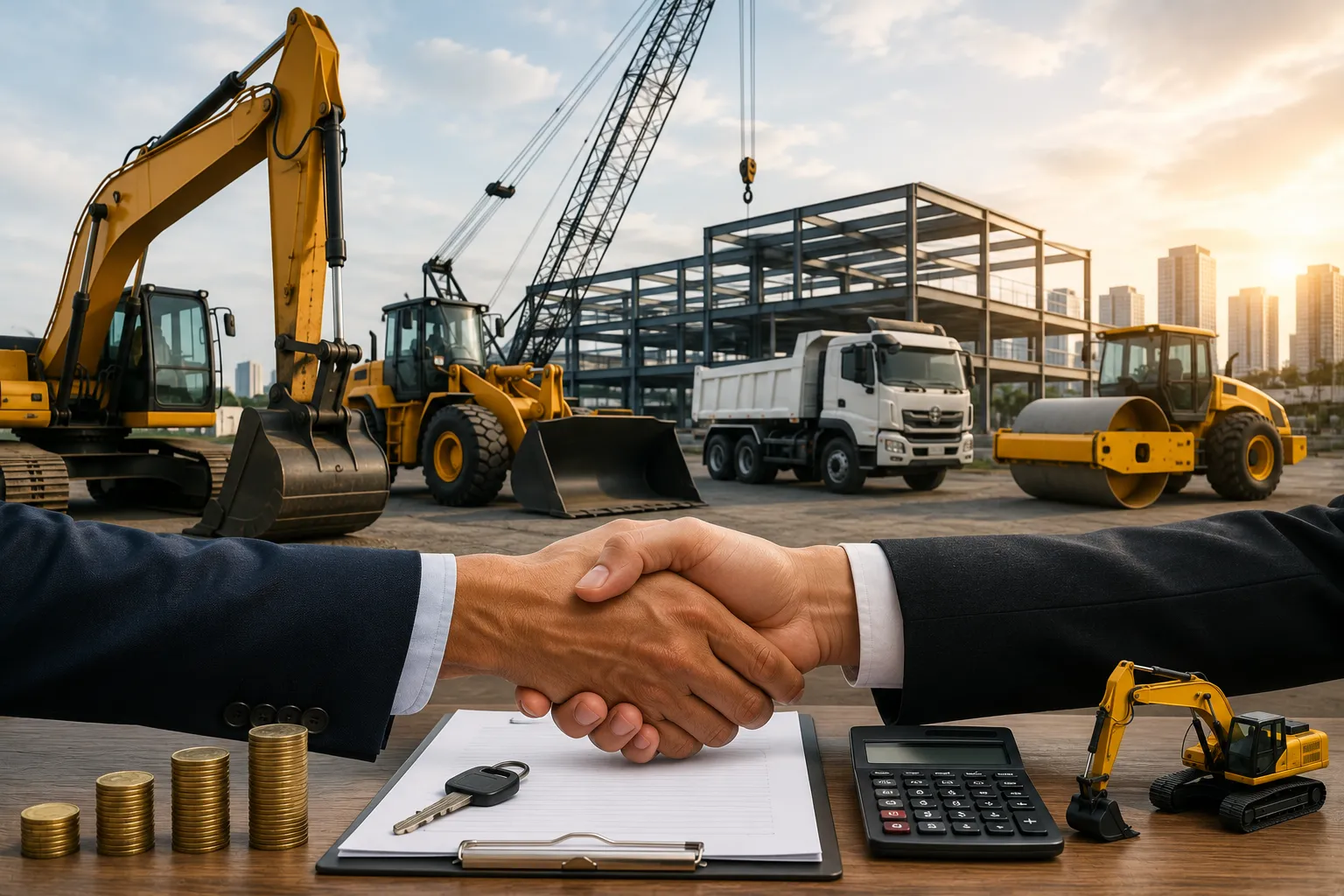
For many businesses in capital-intensive industries like construction, logistics, and mining, growth is directly tied to the machinery they operate. However, the high upfront cost of acquiring new or updated equipment often forces companies to delay expansion, turning down lucrative contracts and stunting their potential. This financial barrier is a significant challenge, but strategic financing provides a powerful solution. Specialized lenders offer heavy construction equipment financing that empowers companies to acquire necessary assets without draining their cash reserves. For example, a financing partner like Thirty3 Capital helps businesses navigate this landscape by providing tailored financing programs, asset-backed financing, and monthly payment planning tools. These flexible financing structures and strategic equipment acquisition solutions allow companies to secure the machinery they need while managing costs and preserving the cash flow essential for daily operations.
As equipment costs continue to rise due to technological advancements and supply chain complexities, preserving working capital becomes more critical than ever. Financing transforms a massive capital expenditure into a predictable monthly operating expense. This approach not only makes acquisitions more manageable but also aligns costs with the revenue the new equipment generates, supporting sustainable business growth and competitive advantage.
2. What Is Heavy Equipment Financing?
Heavy equipment financing is a specialized form of business lending designed to help companies purchase or lease machinery. Instead of paying the full price upfront, a business can obtain funding from a lender and repay it over a set period through regular installments. This financial tool is specifically structured for high-value assets like bulldozers, excavators, commercial trucks, and agricultural tractors.
The core concept revolves around using the equipment itself as collateral for the loan, a model known as asset-backed financing. This reduces the lender's risk, often resulting in more favorable terms and higher approval rates compared to traditional unsecured loans. Ownership structures vary depending on the financing type; with an equipment loan, the business owns the asset from the start, while a lease provides the right to use the equipment for a term, with an option to purchase it later. Repayment models are typically structured with fixed monthly payments, allowing for simple and predictable budgeting.
3. Types of Equipment Financing
Businesses have several equipment financing solutions to choose from, each with distinct benefits. The right choice depends on factors like the company's financial health, long-term asset strategy, and tax considerations.
Equipment Loans
An equipment loan is a straightforward financing option where a lender provides the funds to purchase machinery. The business takes immediate ownership of the asset, and the equipment serves as collateral. Loans typically have fixed interest rates and repayment terms ranging from two to seven years, making them ideal for equipment with a long useful life.
Leasing Options
Leasing allows a business to use equipment for a specified period in exchange for regular payments. This is often more flexible than a loan and may require a smaller down payment. Common lease types include:
- Operating Lease: A short-term rental for equipment that may become obsolete quickly. The business does not intend to own the asset at the end of the term.
- Capital Lease (or Finance Lease): A long-term agreement that functions more like a loan. The business builds equity and typically has the option to purchase the equipment for a bargain price at the lease's end.
Asset-Backed Financing
This is the foundational principle behind most heavy equipment financing. The loan is secured by the value of the machinery being financed. Because there is a tangible asset backing the loan, lenders are often more willing to finance businesses with less-than-perfect credit or a shorter operating history.
Working Capital Financing
While not a direct equipment financing tool, a working capital loan can provide the funds needed for a down payment on equipment or cover associated costs like transportation, installation, and training. It offers flexibility but may come with higher interest rates than a secured equipment loan.
Financing Comparison Table
| Financing Type | Ownership | Typical Term | Key Advantage | Best For |
|---|---|---|---|---|
| Equipment Loan | Immediate | 2-7 Years | Builds equity; potential tax benefits (depreciation). | Long-term assets and companies wanting ownership. |
| Operating Lease | Lessor retains ownership | 1-3 Years | Lower monthly payments; access to updated technology. | Equipment that becomes obsolete quickly. |
| Capital Lease | Option to own | 3-5 Years | Functions like a loan with a purchase option at the end. | Companies wanting to test equipment before committing to ownership. |
| Asset-Backed Financing | Immediate (if loan) | Varies | Higher approval rates; uses the asset as collateral. | Businesses with strong asset value but limited credit history. |
4. Why Businesses Finance Equipment Instead of Paying Cash
While paying cash for equipment might seem like the most straightforward approach, it can be a strategic disadvantage. Financing offers several compelling benefits that protect a company's financial health and support its growth trajectory.
- Preserving Liquidity and Cash Flow: Cash is the lifeblood of any business. Tying up a significant amount of capital in a single purchase can leave a company vulnerable to unexpected expenses or unable to seize other opportunities. Financing keeps cash on hand for payroll, inventory, marketing, and other operational needs.
- Enabling Scalability: Financing allows a business to acquire the equipment it needs to scale operations *now*, rather than waiting to accumulate enough cash. This means companies can bid on larger projects, increase production, and grow revenue sooner.
- Predictable Budgeting: A loan or lease with fixed monthly payments makes it easy to budget and forecast expenses. This financial predictability is crucial for stable and sustainable management of operational costs.
- Potential Tax Advantages: In many jurisdictions, businesses can deduct interest payments on equipment loans or the full amount of lease payments as operating expenses. Additionally, tax codes like Section 179 in the U.S. may allow companies to deduct the full purchase price of qualifying equipment in the year it is placed into service. (Consult with a tax professional for specific advice).
5. Understanding Asset-Backed Financing
Asset-backed financing is the engine that drives the heavy equipment lending industry. In this model, the loan is secured by the physical asset being purchased—the excavator, crane, or truck. This structure has profound implications for both the borrower and the lender.
For the lender, the equipment acts as collateral, significantly reducing the risk of financial loss. If the borrower defaults on the loan, the lender can repossess and sell the asset to recover the outstanding balance. This security allows lenders to offer machinery financing to a broader range of businesses, including startups and those with imperfect credit profiles that might not qualify for unsecured loans.
For the borrower, this means that the value and condition of the equipment are as important as the company's credit score. Lenders will assess the asset's expected lifespan, resale value, and market demand. A high-quality piece of equipment from a reputable manufacturer will often secure better financing terms because it represents lower risk. This focus on the asset empowers businesses to leverage the value of their machinery to obtain the capital they need for growth.
6. Monthly Payment Planning and Budgeting
Effective monthly payment planning is essential for ensuring that equipment financing remains a strategic advantage rather than a financial burden. It requires a forward-thinking approach to budgeting that integrates new debt obligations into the company's overall financial framework.
The first step is to accurately forecast the total cost of ownership, which extends beyond the monthly payment. This includes fuel, insurance, maintenance, repairs, and operator training. A comprehensive budget should account for these variable expenses to avoid cash flow surprises.
Next, businesses must balance operational needs with repayment capacity. This involves aligning the payment schedule with the company's revenue cycles. For seasonal businesses like agriculture or certain construction sectors, a flexible financing structure with seasonal or deferred payments can be invaluable. A good financing partner will work with the business to create a repayment plan that matches its cash flow patterns, ensuring payments are manageable even during slower periods.
7. Heavy Equipment Commonly Financed
Virtually any type of high-value machinery used in commercial operations can be financed. The versatility of equipment financing solutions makes them applicable across numerous industries. Some of the most commonly financed assets include:
- Construction Equipment: Excavators, bulldozers, backhoes, cranes, trenchers, and wheel loaders.
- Transportation and Logistics: Semi-trucks, trailers, dump trucks, delivery vans, and fleet vehicles.
- Agricultural Machinery: Tractors, combines, harvesters, plows, and irrigation systems.
- Manufacturing and Industrial: CNC machines, lathes, presses, forklifts, and assembly line robotics.
- Mining Equipment: Haul trucks, drills, crushers, and large-scale earthmovers.
10. Common Financing Mistakes
While heavy equipment financing is a powerful tool, businesses can make mistakes that undermine its benefits. Avoiding these common pitfalls is key to a successful financing strategy.
- Over-Borrowing: Financing equipment that is more advanced or larger than necessary can lead to unnecessarily high payments that strain cash flow. It's crucial to match the equipment's capabilities and cost to the actual business need.
- Ignoring Total Ownership Costs: Focusing solely on the monthly payment is a major error. Businesses must budget for insurance, fuel, preventive maintenance, and potential repairs. Failing to account for these costs can lead to financial distress.
- Poor Cash Flow Planning: Agreeing to a repayment schedule that doesn't align with the company's revenue stream is a recipe for trouble. A business with seasonal income needs a payment plan that reflects its cash flow peaks and valleys.
- Not Reading the Fine Print: It is essential to fully understand all terms and conditions, including interest rates, fees, prepayment penalties, and end-of-lease obligations.
11. How to Choose the Right Financing Partner
Selecting the right lender is as important as choosing the right equipment. A strategic financing partner offers more than just capital; they provide expertise and support tailored to your industry.
Look for a partner who demonstrates:
- Industry Expertise: A lender who understands the construction, logistics, or agricultural industries will better appreciate the value of the equipment and the unique challenges your business faces.
- Flexibility: The best partners offer a range of financing products and can customize terms, payment schedules, and structures to fit your specific financial situation and business cycle.
- Transparency: Ensure the lender is upfront about all rates, fees, and terms. There should be no hidden costs or surprises. A clear and simple agreement is a sign of a trustworthy partner.
- Tailored Solutions: Avoid one-size-fits-all lenders. A partner who takes the time to understand your business goals and cash flow can craft a financing solution that actively supports your growth rather than just facilitating a transaction.
13. Final Recommendations
Acquiring heavy equipment is a critical step for any business looking to grow, but it should not come at the cost of financial stability. Heavy equipment financing solutions provide a strategic pathway to obtain essential machinery while preserving precious working capital and maintaining healthy cash flow. By transforming a prohibitive upfront cost into a manageable monthly expense, businesses can scale operations, take on larger projects, and enhance their competitive edge.
The key to success lies in a thoughtful approach. By understanding the different types of financing available, carefully planning for total ownership costs, and selecting a flexible and knowledgeable financing partner, companies can leverage these tools to build a stronger, more resilient, and more profitable future. Strategic equipment acquisition is not just about buying machinery; it's about investing in sustainable, long-term business growth.
Frequently Asked Questions (FAQ)
What is heavy equipment financing?
Heavy equipment financing is a type of business loan or lease used to acquire machinery for commercial purposes, such as construction, transportation, or agriculture. Instead of paying the full cost upfront, a business makes regular payments over a set term. The equipment itself typically serves as collateral for the financing.
What is asset-backed financing?
Asset-backed financing is a lending arrangement where the loan is secured by a specific company asset—in this case, the heavy equipment being purchased. This reduces risk for the lender, which can result in higher approval rates and more favorable terms for the borrower compared to unsecured loans.
Is financing better than paying cash?
For most businesses, financing is strategically better than paying cash. It preserves liquidity and working capital for daily operations, growth opportunities, and unexpected expenses. Financing also allows businesses to acquire equipment immediately to generate revenue, rather than waiting to save the full purchase price, and it offers predictable monthly payments for easier budgeting.
How are monthly equipment payments calculated?
Monthly payments are calculated based on several factors: the total cost of the equipment, the amount of the down payment, the interest rate, and the length of the loan term. A longer term will result in lower monthly payments but higher total interest paid over the life of the loan. Online financing calculators can provide estimates.
What industries use equipment financing most often?
Equipment financing is most common in capital-intensive industries that rely on expensive machinery. These include construction, transportation and logistics, agriculture, manufacturing, mining, and waste management. Any business that needs high-value equipment to operate and grow can benefit from these financing solutions.