Why Real Estate Keeps Growing During a Recession
Real estate can remain active during a recession even when mortgage costs rise and many households postpone buying. Housing shortages, rental demand, diverse sources of capital, and long development timelines help explain why industry activity can continue while affordability worsens.
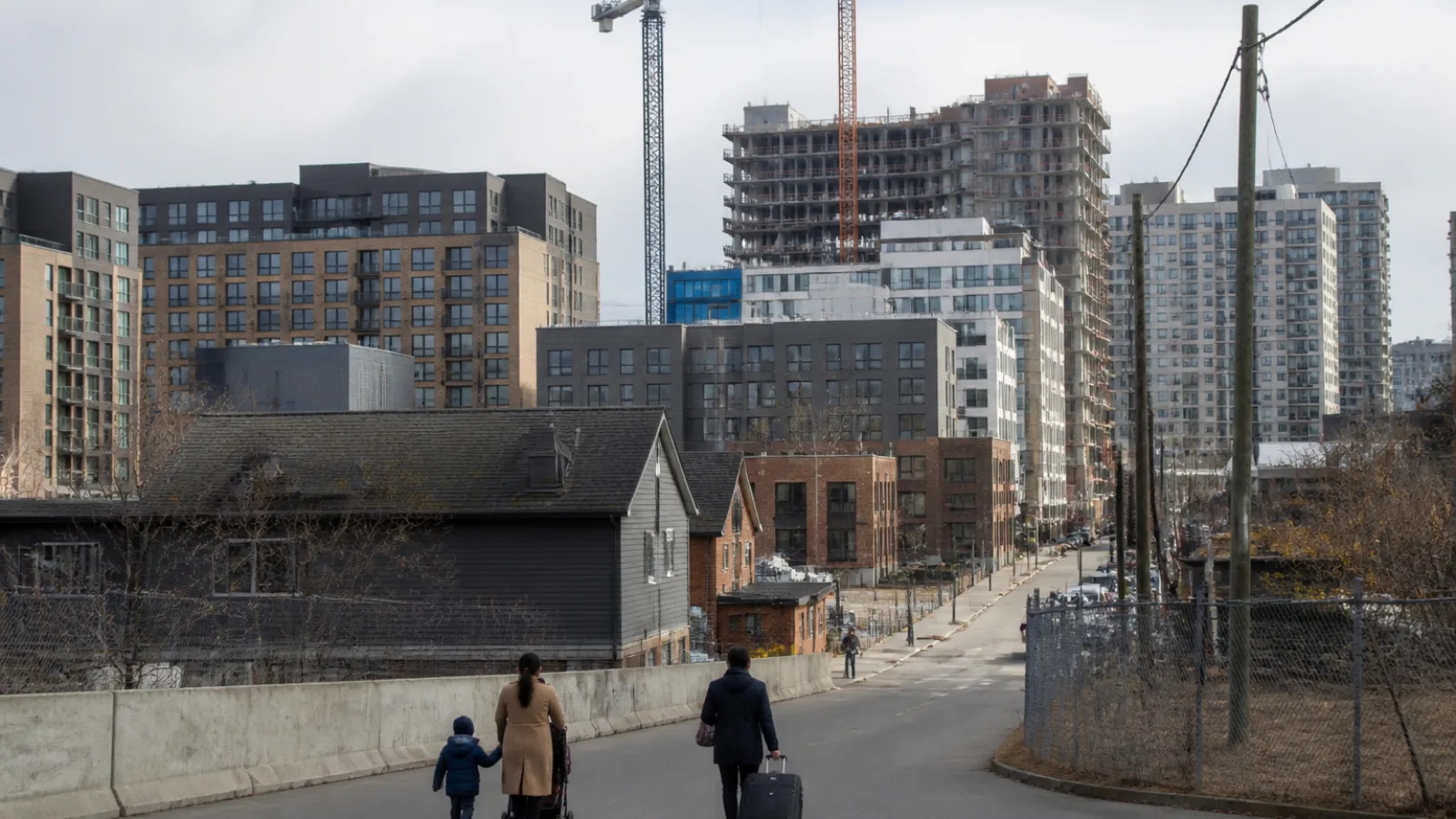
It can seem contradictory: the economy weakens, mortgage payments become harder to afford, and many households postpone buying a home, yet the real estate industry continues to expand. The explanation is that real estate is much larger than owner-occupied home purchases. It includes rentals, commercial property, construction, land development, property management, lending, brokerage, and investment. Services such as real estate brokerage services can remain active even when the number of eligible buyers falls.
The most important distinction is between the health of the overall real estate industry and the ability of an average household to purchase a property. Those two conditions can move in different directions. A recession may reduce sales volume and weaken some property values while rental demand, redevelopment, infrastructure work, and investment in housing remain strong.
The key distinction: real estate activity is broader than home sales
When people say that real estate is “still growing,” they may be referring to several different measures. New buildings may be under construction, landlords may be adding rental units, investors may be acquiring distressed properties, and property managers may be serving more tenants. None of these activities requires every household to qualify for a mortgage.
What counts as industry growth?
Real estate growth can include:
- More rental housing and property-management activity
- Construction of apartments, homes, warehouses, offices, and data facilities
- Renovation, repair, and adaptive reuse of existing buildings
- Investment in land, income-producing property, and real estate funds
- Commercial leasing, brokerage, appraisal, insurance, and financing services
- Population-driven demand in expanding cities and regions
Home sales are only one part of this system. If mortgage affordability declines, that part may slow while other parts continue operating or even become more important.
Why affordability can decline while the sector remains active
A household usually evaluates one question: “Can I safely afford this monthly payment?” The industry evaluates a much wider set of questions, including whether people need housing, whether rents can support a project, whether land has long-term value, and whether investors can earn income from property.
As a result, a recession can create severe affordability problems without stopping real estate activity. Buyers may be priced out, but they still need somewhere to live. Some households move from ownership to renting, while others share housing, relocate, downsize, or delay a purchase. That changes the type of demand rather than eliminating it.
Housing is a necessity, not only an investment
Housing has an unusual position in the economy because it is both a financial asset and a basic necessity. People may delay buying a second property, a larger home, or an investment unit when finances are uncertain. They are less able to delay the need for shelter altogether.
This does not mean housing demand remains equally strong everywhere. Job losses, migration, and falling incomes can hurt particular cities or property types. However, the underlying need for homes continues. In areas with limited supply, that need can support rents, occupancy, and development even when consumer confidence is weak.
Housing shortages support demand even when buyers pull back
Many housing markets have a supply problem that developed over years. Zoning restrictions, limited land, labor shortages, high material costs, lengthy approvals, and insufficient infrastructure can prevent builders from adding homes quickly. A recession may reduce new demand for a time, but it does not automatically remove the existing shortage.
When available homes remain limited, sellers may not need to reduce prices dramatically even if fewer buyers are active. Some potential sellers also refuse to move because replacing an existing low-rate mortgage with a new, expensive loan would be costly. This can further restrict inventory and help explain why prices sometimes remain firm while transactions decline.
The result is a market that feels weak to buyers because there are fewer affordable choices, yet remains valuable to owners, landlords, and developers who control scarce housing.
Rental demand rises when mortgage affordability falls
Mortgage requirements do not remove the need for housing; they often redirect that need toward rentals. A household that cannot meet a lender’s income, credit, down-payment, or debt-to-income requirements may continue renting for several more years.
Higher interest rates can also make renting financially preferable in the short term, especially when buying would require a large payment and leave little room for emergencies. Renters may be waiting for better employment conditions, a larger deposit, lower rates, or a more suitable property. This creates sustained demand for apartments, single-family rentals, manufactured housing, and other forms of leased accommodation.
Rental demand can support the real estate industry through property purchases, apartment construction, maintenance, leasing, and management. It also explains why a slowdown in homeownership does not necessarily produce an equal slowdown in all housing activity.
Real estate growth comes from several types of capital
Not every property transaction depends on a first-time buyer obtaining a conventional mortgage. Real estate is financed by a mixture of household savings, existing home equity, business capital, private funds, real estate investment trusts, banks, insurance companies, and other institutional investors.
Owner-occupants, landlords, institutions, and developers
These participants respond to different incentives. A household may buy only when the monthly payment fits its budget. A landlord may focus on long-term rental income. A developer may evaluate whether a project will be profitable after several years of construction and leasing. An institution may allocate capital across multiple cities and property types rather than depend on one local buyer pool.
When one group becomes less active, another may still provide demand. Institutional participation does not guarantee rising prices, and it can create concerns about competition for homes. However, it helps explain why the broader industry can continue moving even when mortgage-dependent buyers are under pressure.
Why cash buyers and equity-rich owners affect the market
Existing homeowners who have built equity may be able to purchase, renovate, or invest without relying entirely on a new mortgage. Some sellers can also make decisions based on life changes rather than current financing conditions. These participants represent a smaller portion of the population than ordinary mortgage buyers, but their activity can have an outsized effect in a market with limited inventory.
Population changes and household formation keep creating demand
Real estate demand is influenced by where people live, work, study, and form households. Employment centers, migration between regions, immigration, family changes, and the need for smaller or larger homes all affect property demand.
A weak national economy may not affect every region equally. One city may lose jobs while another attracts employers, infrastructure investment, or new residents. Even within the same region, demand can shift from expensive central neighborhoods to more affordable suburbs or from offices to logistics and residential uses.
This regional variation is one reason the phrase “the real estate market” can be misleading. Real estate is made up of local markets with different employers, building rules, supply levels, and income patterns.
Construction and development continue because projects have long timelines
Real estate projects often take years to plan, permit, finance, and build. A project that appears during a recession may have been approved or funded when conditions were stronger. Developers may continue because stopping midway would create its own costs, including contractual obligations, unfinished structures, loan expenses, and lost opportunities.
Some construction also serves needs that are less tied to conventional home purchases. Examples include rental housing, distribution facilities, healthcare buildings, educational facilities, energy infrastructure, and renovations that improve the usefulness of existing property.
Construction can eventually slow when financing becomes too expensive or expected demand falls. The important point is that the industry does not respond instantly. Development pipelines create momentum, while long-term shortages encourage some builders to continue preparing for future demand.
Property can appeal as an inflation-sensitive, income-producing asset
Investors may view real estate as a way to own a physical asset that can generate rental income. In some circumstances, rents and replacement costs rise along with broader prices, although leases, vacancies, regulation, and local economic conditions limit how quickly income can adjust.
Real estate is not a guaranteed hedge against inflation or recession. Property values can fall, operating costs can rise, and debt can magnify losses. Still, the possibility of income and the tangible nature of buildings can make property attractive compared with assets that produce no cash flow. This investment demand can support continued activity even when ordinary buyers are struggling.
Why prices may remain firm when sales slow
Prices and transaction volume measure different things. A market can have fewer sales without experiencing an immediate collapse in prices. Owners may wait rather than sell at a lower price, buyers may compete for the small number of affordable properties, and lenders may maintain stricter standards that limit both supply and demand.
Mortgage “lock-in” can add to this effect when existing owners have loans at rates well below current offers. Moving would mean giving up that payment and borrowing at a higher rate. Fewer owners list their homes, so the market records fewer transactions even though the properties that do sell may still command strong prices.
Over time, continued unemployment, forced sales, oversupply, or falling rents can place greater pressure on values. But price resilience in the early stages of a downturn does not mean households find housing affordable.
When real estate does contract during a downturn
Real estate is not recession-proof. The industry can shrink when job losses reduce household income, businesses close, credit becomes unavailable, construction financing fails, or population decline leaves too much vacant space. Office buildings, luxury housing, retail property, and highly leveraged investments may respond differently from affordable rentals or industrial facilities.
Markets are especially vulnerable when supply is excessive, debt is high, and demand depends on a single industry. A recession can expose weak projects and force owners to sell or restructure. Therefore, “real estate keeps growing” should never be interpreted as “all properties rise in value” or “every development will succeed.”
What this means for buyers, renters, investors, and builders
- Buyers: Focus on sustainable monthly costs, job stability, reserves, taxes, insurance, and maintenance rather than assuming prices will rise.
- Renters: Compare total housing costs, lease terms, transportation, and stability. Strong rental demand can also put upward pressure on rents in undersupplied areas.
- Investors: Evaluate property-level income, vacancy risk, debt terms, operating costs, and local supply instead of relying only on national headlines.
- Builders: Study local employment, permitting, infrastructure, construction costs, and the depth of demand for the intended property type.
- Professionals: Separate transaction volume, construction starts, rents, occupancy, prices, and investment activity when assessing market conditions.
FAQ
Does real estate always grow during a recession?
No. Some real estate sectors and locations contract sharply during recessions. The broader industry can remain active because different segments respond differently, but there is no guarantee that prices, construction, or investment will increase everywhere.
Why do house prices stay high when mortgages are unaffordable?
Limited inventory, existing owners’ home equity, mortgage lock-in, cash buyers, and persistent housing need can support prices. A low number of transactions does not automatically create a large supply of discounted homes.
Is renting better than buying during a recession?
Neither option is automatically better. Renting may provide flexibility and a lower initial commitment, while buying may make sense for a financially stable household planning to stay long term. The decision depends on payment affordability, reserves, local prices, rent levels, and personal circumstances.
Can construction continue when home sales slow?
Yes. Construction projects have long planning and financing cycles, and many projects serve renters, businesses, or public needs rather than mortgage-dependent buyers. However, higher financing costs and weaker demand can eventually reduce new development.
What should buyers watch in a weak housing market?
Watch local employment, inventory, days on market, price reductions, rents, insurance costs, property taxes, lending standards, and the number of distressed listings. Local conditions are usually more useful than a single national housing headline.
Conclusion
The reason why real estate keeps growing during a recession is not that economic weakness makes housing more affordable or protects every property from losses. It is that real estate includes many connected activities beyond conventional home purchases. People still need shelter, renters may replace buyers, investors may supply capital, housing shortages can persist, and construction projects may continue on long timelines.
Understanding this distinction resolves the apparent contradiction. The real estate industry can remain active or expand while many households struggle to qualify for mortgages. Industry growth reflects the movement of capital, development, rentals, services, and property demand; it does not mean that ownership is accessible to everyone or that every local market is healthy.