Residential and Commercial Roofing Services in Boise: Roof Repair, Replacement, and Long-Term Protection
Explore how professional residential and commercial roofing services help homeowners and businesses across Boise and Treasure Valley protect their properties through reliable roof repairs, quality replacements, and durable roofing systems.
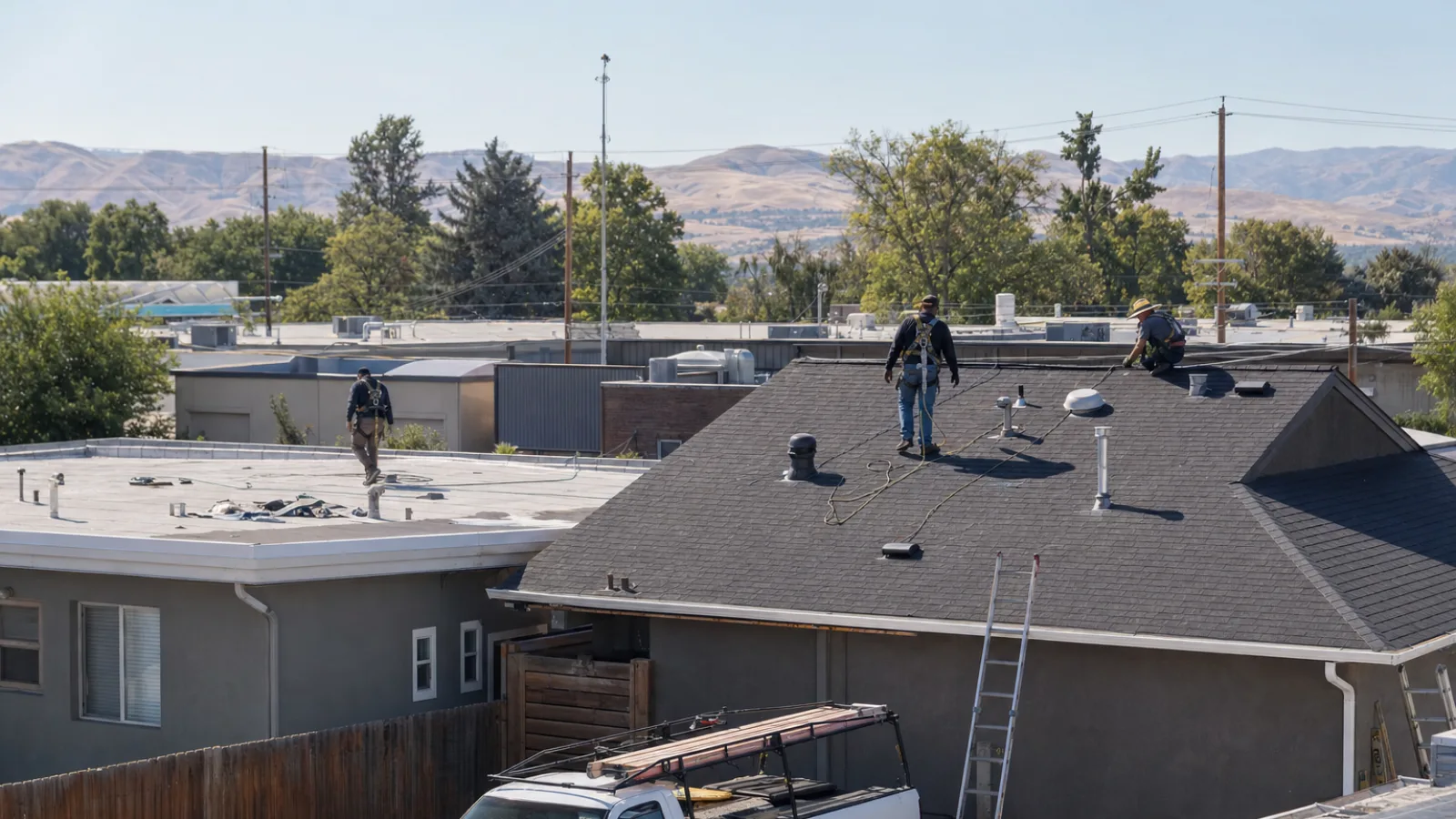
A reliable roofing system is essential for protecting residential and commercial properties from weather exposure, moisture infiltration, and long-term structural deterioration. Working with an experienced boise roofing contractor such as Signature Roofing can help homeowners and businesses across Boise and the Treasure Valley area benefit from professional roof repairs, quality replacements, durable roofing systems, and clear project communication.
Roofing problems rarely remain limited to the roof surface. A small opening around flashing, a displaced shingle, or a blocked drainage path can allow water to reach insulation, framing, interior finishes, and electrical components. Professional assessment helps property owners determine whether a targeted repair is appropriate or whether a broader roofing replacement is the more responsible long-term decision.
Understanding Residential and Commercial Roofing Systems
Residential and commercial roofs perform the same basic function—keeping the building dry—but their design and service requirements can be substantially different. Most houses use pitched roof geometry that encourages water and snow to drain toward eaves and gutters. Common residential coverings include asphalt shingles, metal panels, and other sloped-roof materials.
Commercial buildings often use low-slope or nearly flat roof systems. These roofs depend on carefully designed drainage, continuous waterproofing membranes, internal drains, scuppers, and positive slopes created by the roof structure or insulation system. Because water moves more slowly across low-slope surfaces, seams, penetrations, edges, and drainage components require close attention.
Commercial roofs also typically contain more rooftop equipment, service penetrations, and areas that must remain accessible for mechanical maintenance. Roofing specifications therefore depend on the building structure, existing substrate, drainage design, applicable regulations, manufacturer requirements, and the intended project scope.
Residential Roofing Services in Boise
Residential roofing Boise services commonly begin with an inspection of the roof covering, flashing, valleys, penetrations, ventilation components, gutters, and visible attic conditions. An inspection should distinguish between normal aging, isolated storm damage, installation defects, and moisture-related deterioration. The findings help establish whether repairs can restore performance or whether the roof is approaching the end of its useful service life.
Homeowners searching for roofing boise services should consider the contractor's experience, installation practices, material selection, communication, and ability to provide roofing solutions suited to local weather conditions.
Professional residential roofing services may include replacement of damaged or missing shingles, repair of flashing, sealing around roof penetrations, correction of localized leaks, and replacement of deteriorated underlayment where accessible. When a complete roof replacement is necessary, the process should address more than the visible surface. The condition of the decking, eaves, valleys, ventilation, drip edges, and water-shedding details all affect the finished system.
Ventilation is another important consideration. A balanced attic ventilation strategy can help manage heat and moisture, although it must be coordinated with insulation and air-sealing measures. Poorly designed ventilation can contribute to condensation, material deterioration, or uneven roof aging rather than solving the underlying problem.
Commercial Roofing Services and Building Protection
Commercial roofing Boise projects require planning around building use, equipment, access, tenant needs, and business continuity. A contractor may need to coordinate work in phases, protect entrances and mechanical systems, maintain safe access routes, and control debris while the building remains operational.
Low-slope systems require continuous attention to waterproofing details. Membrane seams must be properly prepared and joined, while perimeter edges, pipe penetrations, rooftop units, curbs, drains, and expansion areas need compatible flashing and secure transitions. Standing water may indicate blocked drains, inadequate slope, membrane deformation, or a structural issue that should be investigated rather than covered with a superficial patch.
Commercial roofing services can include leak investigation, membrane repairs, flashing replacement, roof coatings where appropriate, replacement of sections or entire systems, and scheduled maintenance. The correct solution depends on membrane type, moisture levels within the assembly, substrate condition, remaining service life, and the consequences of continued water intrusion.
Common Roofing Problems That Require Professional Repair
Leaks and water infiltration
Leaks may originate far from the interior stain visible to an occupant. Water can travel along roof layers, decking, insulation, or framing before appearing indoors. Professional diagnosis should examine the roof plane, penetrations, valleys, wall transitions, flashing, and drainage components instead of relying only on the location of the stain.
Surface and flashing damage
Missing or damaged shingles can expose underlayment and roof decking to weather. Deteriorated flashing around chimneys, walls, skylights, vents, and edges can create recurring leak paths. Repairs should restore the water-shedding sequence and compatibility between adjacent materials, not simply apply sealant over a failing detail.
Storm, wind, and membrane deterioration
Wind can lift or displace roofing materials, while hail and falling branches may damage surfaces and flashing. On commercial roofs, ultraviolet exposure, thermal movement, foot traffic, aging seams, and mechanical damage can gradually reduce membrane performance. An inspection after severe weather can identify problems before they become interior damage.
Poor drainage and ventilation
Blocked gutters, clogged drains, damaged downspouts, and inadequate slope can prolong water contact with roofing materials. In residential assemblies, insufficient or poorly balanced ventilation can contribute to attic moisture and premature deterioration. These conditions should be corrected as part of the repair strategy when they are contributing to the failure.
Roof Repair vs. Complete Roof Replacement
Repair is often appropriate when damage is localized, the surrounding roofing remains sound, and the roof has meaningful service life remaining. A properly executed repair can address a leak, replace a limited area, or restore flashing without disturbing the entire system.
Replacement becomes more compelling when the roof is near the end of its expected service life, leaks are recurring, damage is widespread, or previous repairs have become frequent and costly. Structural deterioration, wet insulation, failing underlayment, widespread shingle loss, or extensive membrane damage may also make replacement the more reliable option.
Property owners should compare immediate repair costs with the risk of repeated service calls, interior damage, business interruption, and increasing maintenance requirements. A professional roof replacement assessment should explain the observed conditions, proposed scope, material options, and any uncertainties that could affect the project after existing materials are removed.
Choosing Durable Roofing Materials for Boise Properties
Asphalt shingles are widely used on residential pitched roofs because they offer broad design availability and a relatively straightforward installation process. Their performance depends on proper fastening, underlayment, flashing, ventilation, and installation in accordance with manufacturer requirements. Damaged shingles can often be repaired individually, although widespread granule loss, curling, cracking, or brittleness may indicate aging.
Metal roofing can provide a durable, lightweight covering when correctly detailed for movement, fasteners, edges, penetrations, and drainage. Metal systems may have higher initial costs than some shingle options and require careful attention to corrosion protection, compatible materials, and expansion and contraction.
TPO and PVC membranes are thermoplastic systems commonly used on low-slope commercial buildings. They can provide reflective, heat-welded waterproofing when seams and penetrations are properly installed. Their performance depends on substrate preparation, attachment or ballasting methods, membrane compatibility, and protection from mechanical damage.
EPDM membranes are flexible rubber-based systems used on many low-slope applications. They require well-executed seams, perimeter details, flashing, and protection from punctures. EPDM may be suitable for particular building conditions, but the assembly and installation method must be evaluated as a whole.
Modified bitumen systems use asphalt-based membranes designed for low-slope applications. They can offer robust waterproofing when properly installed, but seams, penetrations, edges, and surface protection require ongoing inspection. No single material is ideal for every property; selection should reflect roof geometry, drainage, exposure, maintenance access, budget, and expected service life.
Roofing Systems and Local Weather Conditions
Boise and the wider Treasure Valley experience seasonal temperature changes, snow, rainfall, wind, solar exposure, and freeze-thaw conditions. These stresses can affect sealants, flashing, fasteners, membranes, shingles, and drainage components over time. Snow and ice can increase loading and may expose weak drainage or edge details, while freeze-thaw cycles can enlarge small cracks or openings when water enters vulnerable materials.
Effective roofing design uses properly sized and maintained drainage, durable flashing, compatible underlayment, adequate insulation, and ventilation appropriate to the building assembly. Solar exposure and temperature movement should also be considered when selecting materials and detailing seams, penetrations, and perimeter edges. Local project requirements must be confirmed for the specific property rather than assumed from general climate conditions.
The Professional Roofing Installation Process
- Inspection and assessment: The contractor reviews the roof surface, drainage, flashing, penetrations, substrate, attic or interior evidence, and visible moisture concerns.
- Scope development: Repair or replacement requirements are identified, including areas that may require additional investigation after removal.
- Material and project planning: The roofing system, accessories, sequencing, access requirements, protection measures, and communication procedures are established.
- Site preparation: Landscaping, entrances, vehicles, equipment, and occupied areas are protected, with debris-control and safety measures put in place.
- Removal and substrate preparation: Existing materials are removed where necessary, and the decking or structural substrate is inspected and prepared for the new system.
- Installation: Underlayment, insulation where specified, roofing materials, flashing, edge details, and drainage components are installed according to the planned assembly and manufacturer requirements.
- Final inspection and cleanup: The completed work is checked for visible defects, incomplete details, debris, and site impacts before the project is closed out.
Clean, organized installations reduce disruption and make it easier to identify whether all planned work has been completed. Clear communication is equally important: property owners should receive understandable information about findings, changes in scope, scheduling, access, and maintenance expectations.
Preventive Roof Maintenance and Long-Term Performance
Routine roof maintenance is less disruptive than emergency water damage work. Inspections can identify loose materials, deteriorated flashing, blocked drainage, damaged membrane seams, failed sealants, and early signs of interior moisture. Gutters, downspouts, drains, scuppers, and roof edges should remain clear so water can leave the roof efficiently.
After significant wind, hail, or heavy precipitation, a professional assessment may be appropriate even when no interior leak is visible. Early repairs can limit the area exposed to moisture and reduce the likelihood of damage to insulation, decking, framing, finishes, or business equipment.
Maintenance records are useful for homeowners, property managers, and commercial owners because they document recurring problems, repairs, inspections, and changes in roof condition. The frequency and depth of maintenance should reflect roof age, material, accessibility, surrounding trees, rooftop equipment, and exposure.
Choosing a Reliable Roofing Contractor in Boise
When comparing contractors, property owners should look for relevant residential or commercial experience, knowledge of the proposed roofing system, organized project planning, responsive communication, and a clear explanation of repair or replacement recommendations. Written scopes should distinguish included work from potential conditions that may be discovered during removal.
Signature Roofing is a relevant example of a contractor serving homeowners and businesses across Boise and the Treasure Valley. Its service focus includes residential roofing, commercial roofing, professional repairs, complete roof replacements, premium and long-lasting roofing systems, and customized solutions for different property needs. Fast response times, clean and organized installations, clear communication throughout the project, and reliable workmanship are important service qualities for owners seeking to protect occupied buildings and limit maintenance problems.
Before work begins, owners should also confirm how the contractor will protect the property, manage debris, address unexpected substrate conditions, coordinate access, and complete final quality control. Roofing specifications remain dependent on the building, applicable regulations, manufacturer requirements, and the agreed project scope.
Conclusion
Professional residential and commercial roofing services in Boise help property owners make informed decisions before minor defects become expensive building problems. Accurate inspections, technically appropriate repairs, quality roof replacements, suitable materials, careful installation, and preventive maintenance all contribute to better protection against moisture and weather exposure.
For homeowners, businesses, and property managers in Boise and the Treasure Valley, the most durable result comes from treating the roof as a complete system rather than a surface covering. Reliable workmanship and clear project communication provide the foundation for a roof that performs more consistently and remains easier to maintain over time.