How to Know When Your Home Needs a New Gutter System
Learn how to recognize failing gutters, including leaks, sagging, corrosion, poor drainage and frequent repairs, and when replacing your gutter system is the better choice.
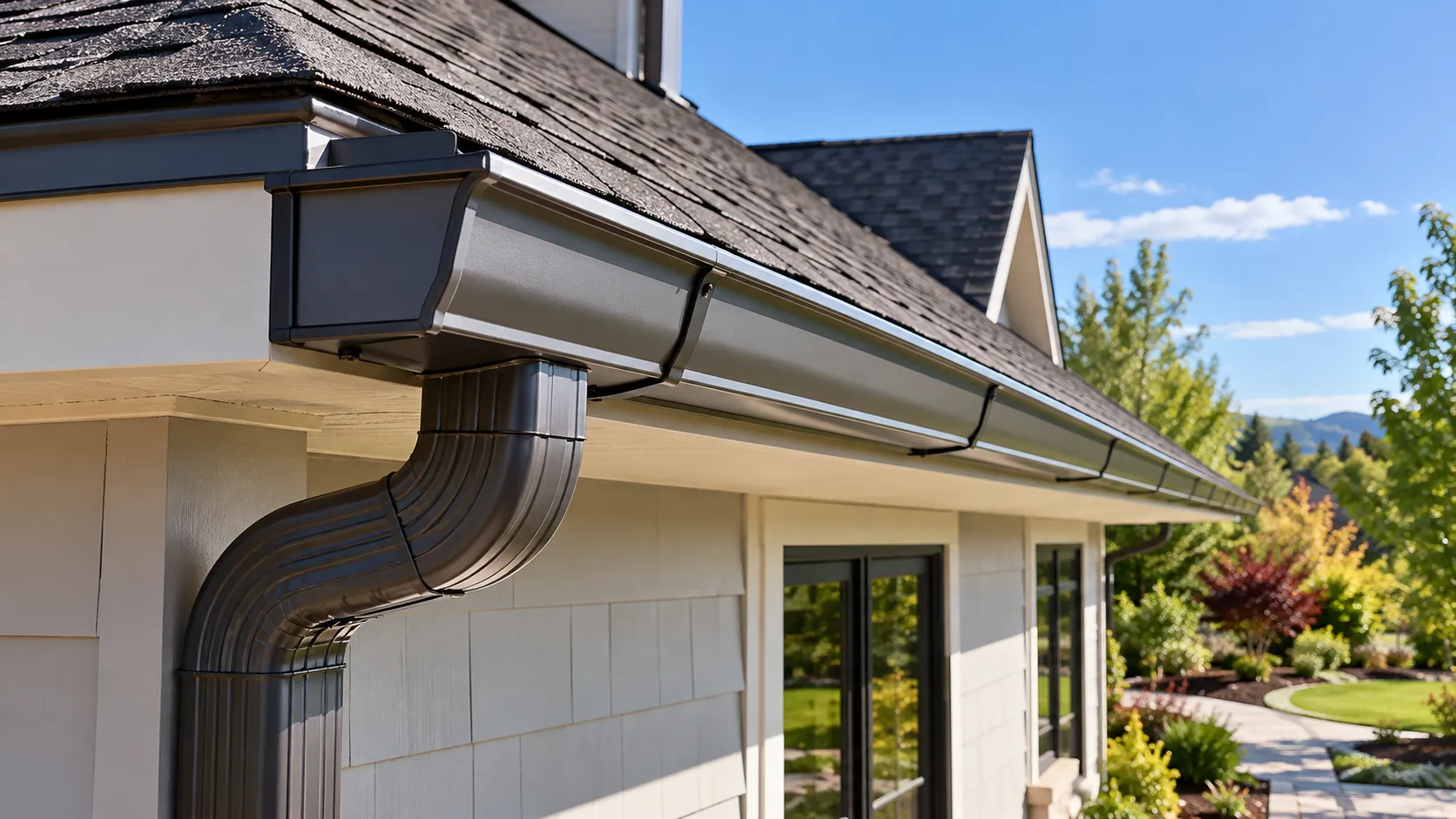
Gutters don't need to collapse completely before replacement becomes worth considering. Most systems show warning signs long before total failure. Recurring leaks, sagging sections, corrosion, poor drainage, and repeated repairs can all indicate that the existing gutters are no longer providing reliable protection. Recognizing these signs early gives homeowners an opportunity to replace the system before water begins damaging other parts of the property.
Homeowners considering replacement can find additional information about professional gutter installation at https://elitegutterscare.com/services/gutter-installation/. The decision should be based on the overall condition and performance of the existing system rather than age alone, because materials, installation quality, maintenance history, roof design, and local weather can all affect how long gutters remain functional.
Multiple Leaks Are a Warning Sign
An isolated leak doesn't necessarily justify replacing an entire gutter system.
Small problems around a corner, end cap, or connection can often be repaired.
The situation changes when leaks begin appearing in multiple locations.
Frequent leakage may indicate widespread deterioration, failing joints, or aging materials. At that point, continuing to repair individual areas may provide only temporary results.
Homeowners should pay particular attention when previously repaired locations begin leaking again or new leaks continue appearing elsewhere.
Gutters Are Sagging or Losing Their Shape
A gutter needs to maintain a consistent shape and slight slope toward the downspouts.
Sagging creates low areas where water can collect instead of draining.
Common causes include:
- loose or damaged hangers;
- heavy debris accumulation;
- snow and ice loads;
- standing water;
- aging mounting hardware;
- physical gutter damage.
One small sagging section may be repairable.
If long sections are visibly distorted or several areas have lost their proper alignment, replacement may offer a more reliable solution.
Gutters Are Pulling Away from the House
Visible gaps between the gutter and fascia shouldn't be ignored.
This can happen when fasteners loosen, hangers fail, or the fascia supporting the system deteriorates.
Once a gutter separates from the roofline, water may travel behind it instead of entering the channel correctly.
Before deciding on replacement, the underlying cause should be identified.
If the fascia is damaged, it may need repair before any new gutter system is installed.
Corrosion Is Appearing in Multiple Areas
The significance of corrosion depends on the gutter material and extent of the damage.
A small isolated area may be manageable, but widespread corrosion can weaken the system and eventually create holes or leaks.
Look for:
- rust spots;
- flaking material;
- holes;
- thinning metal;
- recurring leakage around deteriorated sections.
When deterioration affects multiple gutter runs, replacement can be more practical than repeatedly patching individual areas.
Cracks and Holes Keep Appearing
Small holes may not seem serious during light rainfall.
During a heavy storm, however, even minor openings can release significant amounts of water over time.
This runoff may repeatedly reach fascia, siding, landscaping, or soil near the foundation.
A few isolated defects can often be repaired. Numerous cracks and holes throughout the system suggest that the material itself may be reaching the point where continued repairs offer diminishing value.
The Gutters Overflow Even When They Are Clean
Overflow is commonly caused by debris, so cleaning should usually be one of the first steps.
But what if clean gutters still overflow?
The existing system may have insufficient capacity.
This can occur when:
- the roof surface is large;
- the roof has a steep pitch;
- long gutter runs rely on too few downspouts;
- roof valleys concentrate large volumes of runoff;
- existing gutters are undersized.
In this situation, replacing the system with properly sized gutters and downspouts may improve performance more effectively than repeatedly addressing overflow symptoms.
Water Frequently Collects Inside the Gutters
Gutters should drain toward their downspouts rather than hold significant amounts of water after rainfall.
Persistent standing water may indicate incorrect slope, sagging, or structural deformation.
If the issue is limited to one area, adjustment may be possible.
When standing water occurs throughout an aging system, extensive realignment may no longer be the most practical approach.
Water remaining inside gutters also adds unnecessary weight and can become a greater concern when temperatures fall below freezing.
There Is Repeated Water Damage Around the Roofline
Sometimes the condition of surrounding materials reveals a gutter problem before the gutters themselves appear severely damaged.
Warning signs can include:
- peeling paint near the fascia;
- water staining;
- deteriorated wood;
- moisture marks on siding;
- erosion directly below the roof edge.
These symptoms don't automatically mean the gutters need replacement, but they indicate that the drainage system should be inspected.
If water repeatedly escapes because the existing system can no longer be reliably repaired, replacement may help address the source of the problem.
Repairs Are Becoming Too Frequent
Repairing gutters is often more economical than replacing them when damage is isolated.
However, the calculation changes when service becomes frequent.
If homeowners repeatedly need to address new leaks, loose hangers, failing connections, or damaged sections, it may be worth comparing the cumulative repair cost with a new installation.
Replacement can also provide an opportunity to correct design limitations in the old system rather than reproducing the same problems.
The Existing Gutter Layout Doesn't Work Well
Not every gutter problem is caused by age.
Some systems simply weren't designed appropriately for the property.
Common design issues include:
- insufficient downspouts;
- poor downspout locations;
- gutters that are too small for the roof;
- incorrect slope;
- inadequate drainage around roof valleys.
If these problems have existed since installation, replacing individual damaged components may not address the underlying issue.
A new system can be designed around the actual roof dimensions and drainage requirements.
When Repair Is Still the Better Choice
Replacement isn't always necessary.
Repair may remain the sensible option when the system is generally in good condition and problems are limited.
Examples include:
- one leaking corner;
- a loose downspout;
- several damaged hangers;
- a small section with incorrect pitch;
- an isolated damaged area.
The goal should be to preserve a functional system when reasonable, rather than replacing gutters simply because one component needs attention.
What to Consider When Installing New Gutters
When replacement is appropriate, homeowners have an opportunity to improve the drainage system rather than simply duplicate the old one.
Important considerations include:
- gutter size;
- material;
- seamless versus sectional construction;
- downspout size and placement;
- roof pitch;
- roof surface area;
- surrounding trees;
- final water discharge locations.
These factors influence how effectively the new system performs during heavy rainfall.
Seamless Gutters Can Reduce Potential Leak Points
Many homeowners choose seamless gutters when replacing an older sectional system.
Seamless gutters are fabricated in long continuous runs specifically for the property.
Corners and downspout connections are still required, but unnecessary joints along straight sections are eliminated.
Because joints are common locations for leaks to develop over time, reducing their number can simplify the system and provide a cleaner appearance.
Don't Forget Where the Water Goes
New gutters solve only part of the drainage equation.
Downspouts must carry water to locations where it can continue moving away from the home.
A well-installed gutter that empties directly into a poorly drained area beside the foundation may still leave the property with water-management problems.
Downspout extensions, grading, or additional drainage solutions may need to be considered as part of the overall project.
Final Thoughts
The decision to replace gutters should be based primarily on condition and performance. One small leak or loose hanger usually doesn't justify a complete replacement, but widespread corrosion, recurring leaks, significant sagging, inadequate capacity, and constant repair requirements can indicate that a new system is the better long-term choice.
Evaluating the complete drainage system before replacement also creates an opportunity to correct problems with sizing, downspout placement, and water discharge. Homeowners considering a new system can review additional information about gutter installation at https://elitegutterscare.com/services/gutter-installation/.