From Supercars to Penthouses: Why Automotive and Fashion Brands Are Entering the Luxury Real Estate Market
A powerful new trend is reshaping the ultra-luxury market: the rise of non-hotel branded residences. This strategic analysis explores why iconic automotive and fashion brands are entering the property market, offering key insights for developers and brand strategists on this evolution in experiential marketing.
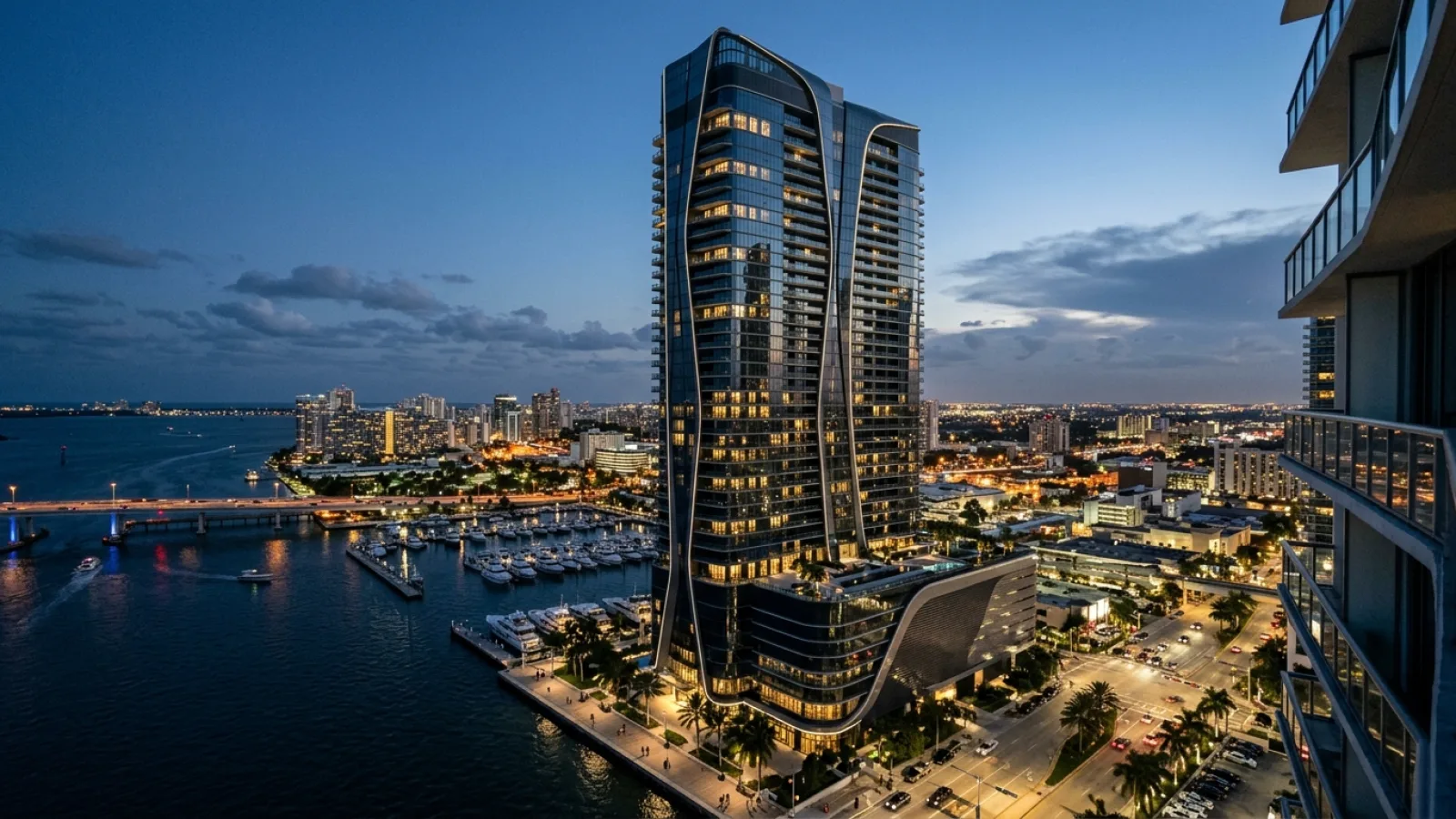
The concept of a branded residence is not new. For decades, hotel groups like Ritz-Carlton and Four Seasons have extended their five-star hospitality into luxury condominiums, offering buyers a permanent slice of the vacation experience. However, a new and powerful trend is reshaping the ultra-luxury market: the rise of non-hotel branded residences. Today, iconic names from the worlds of high-performance automobiles and haute couture—think Porsche, Aston Martin, Armani, and Bvlgari—are lending their logos, design ethos, and brand prestige to exclusive residential towers. This strategic pivot from products to properties represents more than just diversification; it's a masterclass in brand extension and experiential marketing.
For marketing professionals, brand strategists, and real estate developers, this evolution signals a fundamental shift in how value is created and communicated in the luxury sector. It's no longer just about location and amenities; it's about selling a fully immersive lifestyle, a physical manifestation of a brand's soul. This article delves into the strategy behind this movement, analyzing why these non-hospitality giants are entering the real estate arena, how they translate their unique brand DNA into livable spaces, and what opportunities and challenges this presents for developers aiming to capture the attention of the world's most discerning buyers.
The Evolution of Branded Residences: Beyond the Hotel Concierge
The journey from hotel-managed properties to residences designed by supercar manufacturers is a story of evolving consumer expectations. Affluent buyers are no longer satisfied with passive luxury; they seek active engagement with the brands that define their identity. This demand has opened the door for a new category of developer-brand partnerships that prioritize design, ethos, and exclusivity over traditional hospitality services.
A Brief History: From Hotels to High Fashion
The branded residence model began in the 1920s but gained significant traction in the 1980s with the rise of hotel-condo projects. The value proposition was clear: residents received the prestige of a luxury hotel name coupled with access to its services, such as housekeeping, concierge, and in-room dining. This model dominated the market for years. The transition began when fashion houses like Armani, with its Armani/Casa interior design arm, started to curate the interiors of developments. This was the first step toward a brand influencing the aesthetic of a space without being responsible for its day-to-day management.
Defining Non-Hotel Branded Residences
Unlike their hotel-affiliated counterparts, non-hotel branded residences are defined by a partnership between a real estate developer and a luxury brand from a non-hospitality sector. The brand's involvement is primarily focused on design, aesthetic direction, and marketing, rather than operational management. The brand licenses its name and provides design input that reflects its core values—be it the precision engineering of a German sports car or the timeless elegance of an Italian fashion label. The day-to-day property management is typically handled by a separate, specialized firm.
Why Now? Market Drivers for a New Era of Luxury Living
Several market forces are fueling the growth of automotive and fashion branded residences:
- Search for Authenticity: High-net-worth individuals are looking for unique living experiences that reflect their passions and personal brand. Living in a residence designed by Aston Martin is a powerful statement for a car enthusiast.
- Brand Saturation: In a world saturated with luxury goods, physical real estate offers a new, powerful frontier for brand expression and customer engagement.
- Globalization of Wealth: As wealth becomes more mobile, branded residences offer a trusted, consistent standard of quality and luxury, regardless of the city.
- Developer Differentiation: For developers, partnering with a globally recognized luxury brand is a powerful way to stand out in a competitive market and achieve premium pricing.
The Strategic Imperative: Why Luxury Brands Are Becoming Developers
For automotive and fashion brands, venturing into real estate is a calculated strategic move. It's an evolution of the iconic Porsche Design Tower that transforms customers into residents, creating an ecosystem where the brand is not just an accessory but the very fabric of daily life.
Ultimate Brand Extension: From Product to Lifestyle Ecosystem
The most compelling reason is the opportunity for ultimate brand extension. A Porsche is something you drive; a Porsche Design Tower is a place you live. This transition moves the brand from a product-centric identity to a holistic lifestyle provider. It allows the company to capture a larger share of its customers' lives and wallets, creating a self-reinforcing ecosystem where the car, the watch, and the penthouse are all part of a singular, cohesive brand world.
Deepening Customer Loyalty and Lifetime Value
Purchasing a multi-million-dollar residence is a significant commitment that fosters a much deeper level of brand loyalty than buying a handbag or a sports car. It creates a permanent connection, turning affluent customers into lifelong brand ambassadors. This long-term relationship significantly increases the customer's lifetime value and provides the brand with invaluable data and insights into the lifestyle of its core demographic.
Creating a Tangible, Immersive Brand Experience
A branded residence is the ultimate form of experiential marketing. It allows a brand to communicate its values—craftsmanship, innovation, performance, elegance—through a multi-sensory, three-dimensional experience. Residents don't just see the brand; they touch it in the custom door handles, feel it in the texture of the lobby walls, and experience it through exclusive, brand-curated amenities.
New Revenue Streams and Market Diversification
While brand building is a primary goal, the financial incentives are also significant. Brand licensing in real estate generates a high-margin revenue stream through fees and royalties with relatively low capital risk for the brand itself, as the developer typically bears the financial burden of construction. It also provides a hedge against volatility in their core markets.
Translating Brand Ethos into Architectural Reality: Case Studies
The success of a non-hotel branded residence hinges on the authentic translation of the brand's core identity into a physical structure. The most successful projects are not merely buildings with a logo on top; they are architectural embodiments of the brand's soul.
Automotive Precision: The Porsche Design Tower and Aston Martin Residences
Automotive brands excel at translating concepts of performance, technology, and aerodynamics into their buildings. The Porsche Design Tower in Miami is a prime example, famed for its "Dezervator," a patented car elevator that allows residents to park their supercars directly in their sky-high apartments. This isn't just a gimmick; it's a direct reflection of Porsche's car-centric, engineering-driven ethos. The building's cylindrical shape and glass facade evoke a sense of sleek, mechanical precision. Similarly, the Aston Martin Residences, also in Miami, feature interiors with carbon fiber accents, custom Aston Martin door handles, and an aerodynamic sail-shaped profile that echoes the elegant lines of their vehicles.
Fashionable Living: The World of Armani/Casa and Bvlgari
Fashion brands, in contrast, focus on materiality, craftsmanship, and a sophisticated lifestyle aesthetic. The Armani/Casa brand has been a pioneer, designing interiors for projects like the Residences by Armani/Casa in Miami. Here, the focus is on understated elegance, rich textures, a muted color palette, and bespoke furnishings that reflect Giorgio Armani's personal design philosophy. Bvlgari Residences, such as those in Dubai and London, translate the jeweler's heritage of Roman glamour into living spaces, using precious materials like marble and bronze and offering amenities that evoke a sense of timeless luxury and exclusivity.
The Common Thread: A Focus on Design, Materials, and Exclusivity
Despite their different approaches, these projects share a common commitment to bespoke design, the use of signature materials, and the creation of an exclusive community. They offer amenities that are directly tied to the brand's identity, from racing simulators in automotive residences to private fashion show access for residents of a fashion-branded tower.
| Feature | Automotive Brands (e.g., Porsche, Aston Martin) | Fashion Brands (e.g., Armani, Bvlgari) |
|---|---|---|
| Core Focus | Engineering, performance, innovation, masculine aesthetic. | Elegance, craftsmanship, materials, sophisticated lifestyle. |
| Key Amenities | Car elevators, racing simulators, private garages, tech integration. | Private spas, couture closets, curated art, exclusive event access. |
| Design Language | Aerodynamic lines, carbon fiber, metal finishes, panoramic views. | Rich textures, bespoke furniture, timeless color palettes, high-end textiles. |
| Target Buyer | Tech entrepreneurs, car enthusiasts, high-performance seekers. | Fashion connoisseurs, art collectors, global elites. |
| Brand Promise | A life of precision, speed, and cutting-edge technology. | A life of curated beauty, elegance, and understated luxury. |
The Developer's Playbook: Benefits of Partnering with a Non-Hospitality Brand
For real estate developers, a partnership with a top-tier automotive or fashion brand can be a game-changer, providing a significant competitive advantage in the crowded luxury market.
The "Brand Premium": Justifying Higher Price Points
One of the most significant benefits is the ability to command a price premium. Studies have consistently shown that branded residences sell for significantly more per square foot than comparable non-branded luxury properties in the same location. This "brand premium" is justified by the perceived value of the brand's quality, design input, and the exclusivity it confers.
Accessing a Pre-qualified, Brand-Loyal Customer Base
Partnering with a brand like Porsche or Armani grants developers immediate access to a global database of high-net-worth individuals who are already loyal to the brand. This pre-qualified audience dramatically reduces marketing costs and sales cycle times, as the developer is tapping into a warm market of passionate brand enthusiasts.
Differentiating in a Crowded Luxury Market
In global cities saturated with luxury high-rises, a powerful brand name provides an instant and compelling point of differentiation. It elevates a project from a simple collection of apartments to a landmark destination and a cultural statement, making it far more memorable and desirable to potential buyers.
Streamlining Marketing and PR Efforts
The brand partner becomes a powerful marketing engine. The launch of a new Aston Martin or Bvlgari residence is not just a real estate story; it's a global news event covered by luxury, fashion, and business media. This earned media and brand-driven PR can generate a level of buzz and prestige that would be impossible for a developer to achieve alone.
Navigating the Challenges and Risks in Brand-Developer Partnerships
While the benefits are substantial, these partnerships are not without their complexities and potential pitfalls. Success requires a deep alignment of vision, values, and long-term commitment from both the brand and the developer.
The Danger of Brand Dilution and Inauthentic Experiences
The greatest risk is brand dilution. If the final product does not live up to the brand's promise of quality and luxury, it can damage the reputation of both the brand and the developer. An inauthentic execution—where the branding feels superficial or tacked-on—will be quickly rejected by sophisticated buyers.
Aligning Long-Term Construction Timelines with Fast-Paced Brand Cycles
Real estate development is a slow, multi-year process, while fashion and automotive brands often operate on much faster product and marketing cycles. Maintaining brand relevance and excitement over a five-to-seven-year development timeline requires careful strategic planning and consistent communication between partners.
Managing Buyer Expectations and Delivering on the Brand Promise
Buyers of a branded residence have exceptionally high expectations. They are not just purchasing real estate; they are buying into a dream. The developer must ensure that every detail, from the construction quality to the final finishes and resident services, flawlessly delivers on the promise made by the brand.
The Future of Lifestyle Real Estate: What's Next for Non-Hotel Brands?
The success of automotive and fashion brands in real estate is paving the way for other sectors to enter the market. The core principle—leveraging brand equity to create unique living experiences—is highly adaptable.
Exploring New Sectors: From Tech Giants to Wellness Gurus
We may soon see residences branded by major tech companies, focusing on seamless smart-home integration and futuristic living. Similarly, high-end wellness and fitness brands could develop properties centered around health, mindfulness, and biophilic design. The possibilities are limited only by the strength and relevance of the brand.
The Role of Technology in Branded Living Experiences
Future non-hotel branded residences will integrate technology more deeply to enhance the brand experience. This could include AI-powered home assistants that embody the brand's personality, virtual reality experiences that connect residents to the brand's world, and exclusive digital content available only to residents.
Sustainability as the Next Frontier in Luxury Branding
As sustainability becomes a core tenet of luxury, we will see more branded residences that showcase eco-friendly design, sustainable materials, and a commitment to wellness. Brands will use their real estate projects as large-scale platforms to demonstrate their commitment to environmental and social responsibility, appealing to a new generation of conscious consumers.
Frequently Asked Questions About Non-Hotel Branded Residences
What is the main difference between a hotel-branded and a non-hotel branded residence?
The primary difference is service and management. Hotel-branded residences are managed by the hotel operator and typically offer a full suite of hospitality services (e.g., room service, housekeeping). Non-hotel branded residences are primarily focused on design and brand ethos, with property management handled by a separate entity. The brand's involvement is centered on the aesthetic and lifestyle experience, not daily operations.
Do you have to own a product (like a car) to live in a brand's residence?
No, there is generally no requirement to own a product from the brand. However, the target market for these residences is, by design, individuals who are already fans or customers of the brand. Developers and brands count on this built-in affinity to attract buyers.
How are these non-hotel branded residences managed after completion?
After completion, a professional third-party property management company specializing in luxury residential buildings is typically contracted to handle all operations, maintenance, and resident services. This ensures a high standard of living while allowing the brand to focus on its core competency: design and marketing.
What is the typical "brand premium" for a non-hotel branded residence?
While it varies significantly by location, brand prestige, and market conditions, the price premium for a branded residence over a comparable non-branded luxury property can range from 25% to over 50%. This premium reflects the value of the brand's design, quality assurance, and the unique lifestyle it offers.