Priced Out or Powered Up? How Digital Nomads Are Altering Housing in Global Hotspots
This in-depth analysis explores how the influx of remote professionals is reshaping housing markets in global hotspots like Lisbon, Mexico City, and Bali. We examine the economic opportunities, the socio-economic challenges for local residents, and the responses from developers and governments.
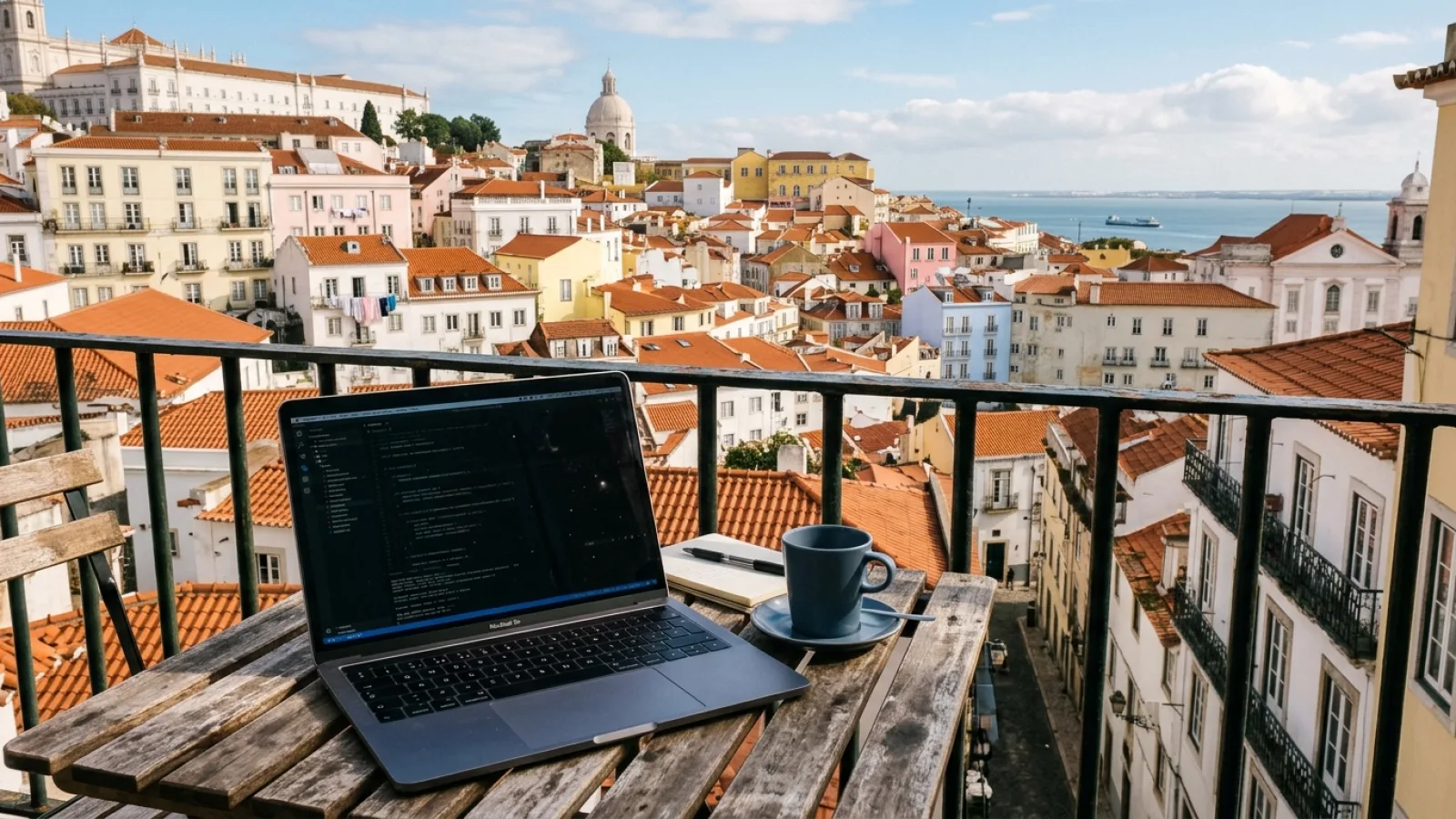
The rise of the digital nomad is more than a lifestyle trend; it's a potent economic force actively reshaping urban landscapes worldwide. With the freedom to earn a living from anywhere, a growing cohort of remote professionals is flocking to cities renowned for their culture, climate, and affordability. This migration poses a critical question for urban centers: are these nomads a catalyst for economic growth and real estate development, or do they primarily accelerate housing crises for local populations? This analysis moves beyond simple narratives to examine the complex realities in key global hotspots, supported by insights from rental market data and a review of emerging policy responses. Our goal is to provide a nuanced discussion aimed at real estate professionals, investors, and urban planners navigating this new frontier.
The Digital Nomad Effect: A Double-Edged Sword for Housing Markets
The core of the digital nomad's impact on housing can be understood as a 'demand shock.' Unlike traditional migration patterns driven by local employment, this influx introduces a class of renters whose income is decoupled from the local economy. This creates unique pressures and opportunities that ripple through the real estate sector.
The "Demand Shock": How Remote Work Income Distorts Local Economies
Digital nomads often earn salaries in stronger currencies like the US dollar or the Euro, giving them significantly higher purchasing power in cities across Latin America, Southeast Asia, or Southern Europe. When they compete for housing, they can comfortably bid prices far above what a resident earning a local wage can afford. This inflationary pressure can rapidly escalate rental prices across entire neighborhoods, effectively pricing out long-term residents and creating significant affordability challenges.
From Long-Term Leases to Short-Term Stays: The Shift in Rental Stock
For property owners, the financial incentive to cater to the nomad market is compelling. A property that once generated a stable income from a long-term local tenant can often yield 50-150% more when rented on a monthly or quarterly basis to a foreign remote worker. Consequently, landlords are increasingly converting their portfolios from traditional one-year leases to more flexible, high-yield short-term rentals. This strategic shift directly reduces the available housing stock for families, students, and local workers, intensifying competition for the few remaining long-term units.
The Role of PropTech and Rental Platforms in Accelerating Change
This market transformation has been supercharged by property technology (PropTech). Platforms like Airbnb, VRBO, and specialized nomad-centric sites like NomadX have created a frictionless global marketplace. With just a few clicks, a landlord in Lisbon can market their apartment to a software developer in San Francisco. These platforms provide the infrastructure—from booking and payment processing to reviews—that makes it easy for property owners to pivot their strategy and tap into this lucrative global demand, accelerating the conversion of residential housing stock.
Case Study Deep Dive: Three Cities at the Epicenter
To understand these dynamics in practice, we can examine three cities that have become global hubs for remote work, each experiencing a unique set of challenges and transformations.
Lisbon, Portugal: A Magnet for Nomads and a Crisis for Locals
With its vibrant culture, coastal setting, and attractive visa programs, Lisbon became a poster child for the digital nomad movement. The influx was initially celebrated as a boon for the local economy. However, the consequences for the housing market have been severe. Between 2015 and 2023, rental prices in the city center more than doubled. This surge has been directly linked to the conversion of thousands of apartments into short-term rentals, leading to widespread public protest and forcing the Portuguese government to roll back some of its most welcoming policies, including the 'Golden Visa' program tied to real estate.
Mexico City, Mexico: Cultural Appeal vs. Gentrification Concerns
In Mexico City, iconic neighborhoods like Condesa and Roma have long attracted artists and intellectuals. Today, they are hotspots for American remote workers drawn by the cultural vibrancy and low cost of living. This has led to a phenomenon dubbed 'expact-flation' or hyper-gentrification. Local residents report being pushed out by soaring rents, while traditional businesses like taquerias and corner stores are replaced by cafes with English-language menus and co-working spaces. The shift has sparked a fierce debate about cultural preservation and the socio-economic displacement of local communities.
Bali, Indonesia: Tourism Hub to Remote Work Enclave
Bali's economy has always been tied to international visitors, but the pandemic accelerated its evolution from a short-term tourist destination to a long-stay remote work enclave. Areas like Canggu and Ubud are now filled with purpose-built villas and co-living compounds catering to nomads. While this has fueled a construction boom, it has also placed immense strain on local infrastructure, from water supplies to waste management. Furthermore, the rising demand for land has driven up prices, making it harder for local Balinese to purchase property in their own communities.
Analyzing the Data: Quantifying the Impact on Affordability
The anecdotal evidence from these cities is backed by stark economic data. The gap between local earning potential and the new, nomad-driven cost of housing is not just perceptible—it's a chasm.
Tracking Rental Price Inflation in Nomad Hotspots
In many nomad hubs, rental price inflation has dramatically outpaced national averages. For instance, while Portugal saw significant rent increases nationwide, Lisbon's rental inflation was nearly double the national rate at its peak. Similar trends are observable in Mexico City, where rents in nomad-popular districts have increased at a rate three to four times that of other neighborhoods in the same city.
The Widening Gap: Local Wages vs. Nomad-Driven Rents
A simple comparison of average local salaries to average rental costs reveals an untenable situation for residents. The following table provides an illustrative snapshot of this disparity.
| City | Avg. Local Monthly Salary (USD) | Avg. 1-BR Apt. Rent (City Center, USD) | Rent as % of Local Salary |
|---|---|---|---|
| Lisbon | ~$1,200 | ~$1,400 | ~117% |
| Mexico City | ~$750 | ~$950 | ~127% |
| Pre-Nomad Benchmark City | Example | Example | Example |
(Note: Figures are estimates based on recent market data for illustrative purposes and fluctuate with economic conditions.)
As the table shows, the average rent for a centrally located one-bedroom apartment exceeds the average local monthly salary, making such housing completely inaccessible without multiple incomes or significant financial assistance.
Impact on Housing Availability for Residents
Data from platforms like AirDNA, which analyzes short-term rental markets, consistently show a direct correlation in these cities: as the number of active short-term rental listings rises, the number of available long-term rental listings on local property portals declines. This contraction of supply is a primary driver of the price inflation affecting local renters.
The Real Estate Response: New Development and Investment Models
The challenges for locals have created significant opportunities for savvy real estate investors and developers who are adapting to this new source of demand.
The Rise of Co-Living and Purpose-Built Nomad Housing
A new real estate asset class is emerging: purpose-built housing for digital nomads. These co-living developments offer more than just a room; they provide a turnkey solution with flexible leases, all-inclusive utilities, high-speed internet, dedicated workspaces, and curated community events. While these projects can help absorb nomad demand without converting existing housing stock, they also risk creating isolated 'expat bubbles' with little integration into the local community.
Opportunities for Investors: High-Yield, Flexible Rental Assets
For investors, properties in nomad hotspots represent a chance to secure higher-than-average rental yields. The ability to adjust prices monthly and cater to a transient, high-income clientele makes these assets attractive. However, this strategy comes with increased management complexity, higher turnover costs, and greater exposure to regulatory risks as cities begin to crack down on short-term rentals.
Challenges for Traditional Residential Developers
Developers focused on building for the local market face new headwinds. They must now compete for prime land with projects targeting the more lucrative international market. Furthermore, the rising cost of land and construction, partly fueled by the nomad-driven economic boom, can make it financially unfeasible to build affordable housing for local residents without government subsidies.
Policy and Governance: How Cities Are Responding
Recognizing the growing social and economic tensions, municipal and national governments are no longer passive observers. A wave of regulatory action is underway to manage the digital nomads housing market impact.
Regulatory Measures: Short-Term Rental Caps and Nomad Visas
Cities are deploying a range of tools to regain control. These include imposing caps on the number of days a property can be rented short-term per year (e.g., 90 days in Amsterdam), creating special zoning laws that restrict short-term rentals to specific commercial areas, and requiring hosts to obtain licenses. In parallel, countries are launching 'digital nomad visas' that, in some cases, come with requirements like higher income thresholds or proof of health insurance, aiming to attract high-value contributors while providing a framework for legal residency.
Promoting Sustainable Integration vs. Restricting Influx
The core policy debate revolves around finding a sustainable balance. Some governments are focused on integration, using tax revenue from short-term rentals to fund affordable housing projects. Others are taking a more restrictive approach, implementing outright bans on non-resident property purchases or halting new short-term rental licenses, as seen in parts of Portugal and Spain. The most effective strategies appear to be those that are nuanced and data-driven, tailored to the specific needs of each city.
The Future of Urban Planning in a Remote-First World
Looking ahead, the digital nomad phenomenon forces a fundamental rethinking of urban planning. Cities must now plan for a more fluid, transient population alongside their permanent residents. This requires a new focus on flexible housing models, mixed-use zoning, and investments in public infrastructure—like transit and public Wi-Fi—that benefit everyone. The goal is to build resilient, inclusive cities that can harness the economic benefits of global talent without sacrificing the well-being of their local communities.
Conclusion
The impact of digital nomads on global housing markets is a complex duality of economic opportunity and socio-economic strain. In hotspots from Lisbon to Bali, the influx of remote workers has undeniably powered local economies and created new opportunities for real estate investment. However, it has also distorted rental markets, exacerbated affordability crises, and challenged the social fabric of historic neighborhoods. For developers, investors, and policymakers, the path forward is not to resist this global shift but to manage it with foresight and intention. Proactive regulation, innovative and inclusive housing development, and a commitment to data-driven policy are essential to ensuring that the cities of the future are not just powered up, but equitable for all who call them home.
Frequently Asked Questions (FAQ)
What is the primary housing market impact of digital nomads?
The primary impact is significant rental price inflation and a reduction in available long-term housing stock for local residents. This is caused by an influx of tenants with higher purchasing power and landlords converting properties to more profitable short-term rentals.
Which cities are most affected by the influx of digital nomads?
Cities that combine a high quality of life, relatively low cost of living (for foreign earners), and favorable visa policies are most affected. Key examples include Lisbon, Mexico City, Bali, Medellin, and Budapest.
How are co-living spaces changing the rental market?
Co-living spaces are creating a new asset class in the rental market specifically designed for transient professionals. While they can alleviate some pressure on the traditional rental stock, they also cater primarily to a high-income demographic and can further segment the housing market.
What policies can cities implement to manage the effects of digital nomads on housing?
Effective policies include implementing caps on short-term rentals, enforcing registration and taxation for rental properties, investing in affordable housing projects, and designing digital nomad visas that require contributions to local infrastructure or housing funds.