Electronic Blinds for Homes and Offices: Automation, Benefits, Costs, and Installation
Explore the comprehensive guide to electronic blinds, detailing their system types, key benefits like energy efficiency and comfort, cost factors, and the critical role of professional installation in smart home and office automation.
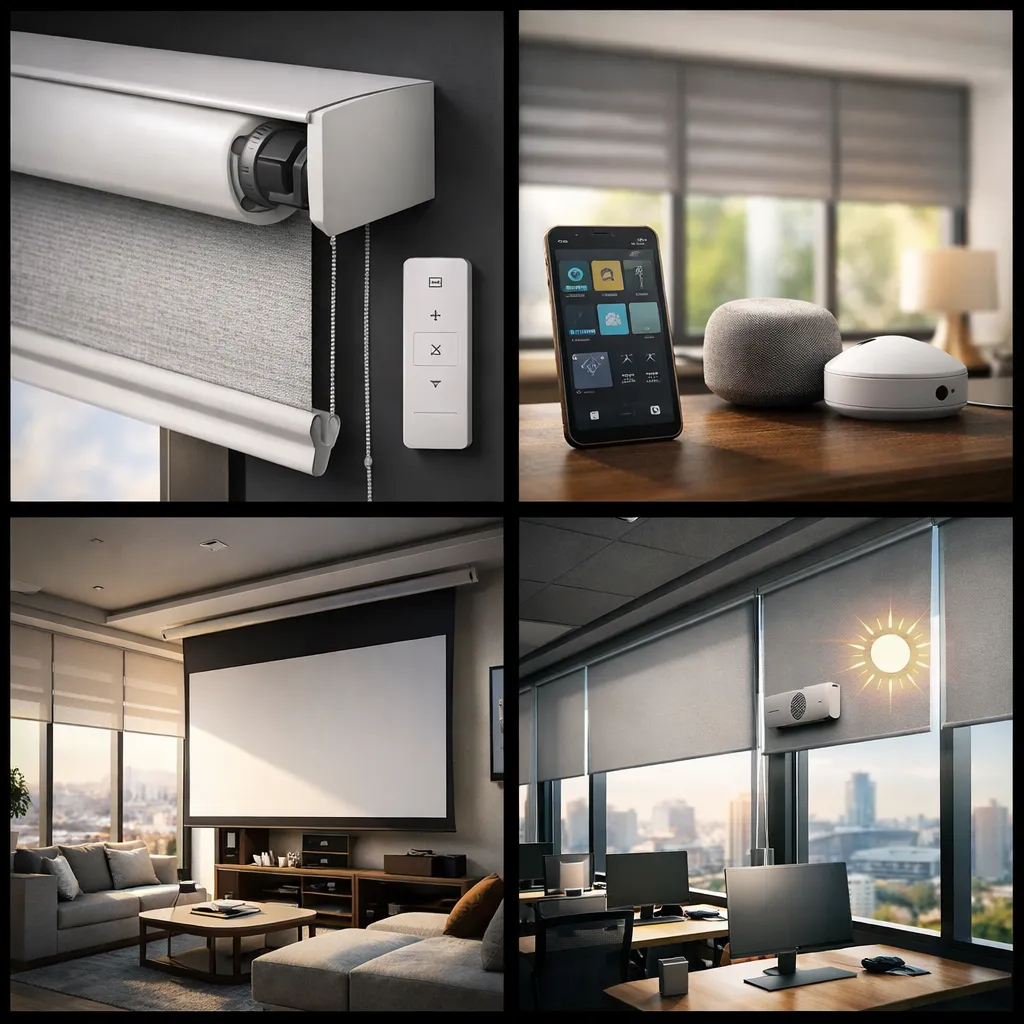
In the evolving landscape of modern architecture and interior design, automation has transitioned from a niche luxury to an integral component of functional, efficient, and comfortable living and working spaces. Among the most impactful advancements in this domain are electronic blinds. These automated window treatments represent a significant leap forward from their manual predecessors, offering precise control, enhanced energy efficiency, and seamless integration with smart building ecosystems. As homes and offices become increasingly connected, understanding the technology, benefits, and implementation of electronic blinds is crucial for homeowners, facility managers, and construction professionals aiming to create intelligent and responsive environments.
This article provides a professional and analytical overview of electronic blinds, covering the different system types available, their distinct advantages, critical cost considerations, and the essential requirements for proper installation and system integration. By exploring these facets, we can appreciate their growing role in defining the next generation of smart homes and offices.
Types of Electronic Blinds Systems
The term "electronic blinds" encompasses a range of technologies, each offering different levels of control and automation. Understanding these distinctions is key to selecting the right system for a specific application, whether it's a single room in a home or an entire commercial building.
Motorized Blinds
At the most fundamental level, motorized blinds are standard window treatments equipped with a small, quiet electric motor. This motor handles the physical work of raising, lowering, or tilting the blinds. Operation is typically managed via a wall-mounted switch or a dedicated handheld remote control. While they lack the advanced connectivity of smart systems, motorized blinds provide a robust and reliable solution for hard-to-reach windows, large window expanses, and for users with mobility limitations.
Remote-Controlled Systems
Remote-controlled systems are a subset of motorized blinds that rely on wireless communication, typically using either Radio Frequency (RF) or Infrared (IR) signals. RF remotes are generally preferred as they do not require a direct line of sight to the receiver on the blind, allowing users to operate them from anywhere within range. These systems offer enhanced convenience, allowing for individual or group control of multiple blinds with a single remote, making them a popular choice for media rooms and large open-plan spaces.
Smart Home Integrated Blinds
This is the most advanced category, where motorized blinds are equipped with communication hardware (like Wi-Fi, Zigbee, or Z-Wave) that allows them to connect to a central smart home hub or directly to a home network. This integration unlocks a powerful suite of features:
- App Control: Operate blinds from anywhere in the world using a smartphone or tablet.
- Voice Commands: Seamlessly integrate with virtual assistants like Amazon Alexa, Google Assistant, or Apple's Siri for hands-free control.
- Scheduling and Automation: Program blinds to open and close at specific times of the day or based on sunrise and sunset.
- Scene Creation: Group blinds with other smart devices. For example, a "Movie Night" scene could dim the lights, lower the blinds, and turn on the television with a single command.
Manual Override Systems
Many high-quality electronic blind systems include a manual override feature. This allows the blinds to be operated by hand without damaging the motor mechanism. This functionality is crucial as a failsafe in the event of a power outage, system malfunction, or if the remote control is lost. It ensures that the window treatment remains functional under all circumstances, providing peace of mind and operational reliability.
Key Advantages of Electronic Blinds
The adoption of electronic blinds is driven by a compelling set of benefits that extend beyond mere convenience. These systems contribute to a building's overall performance, security, and the well-being of its occupants.
Enhanced Light Control and Comfort
Electronic blinds offer unparalleled precision in managing natural light. Users can adjust them to the exact height or angle needed to eliminate glare on screens, protect furniture and artwork from UV damage, or create the perfect ambiance. Automated systems can even track the sun's position throughout the day, dynamically adjusting the blinds to maintain optimal indoor lighting levels and thermal comfort without any manual intervention.
Improved Energy Efficiency
Window treatments play a critical role in a building's thermal envelope. Automated electronic blinds can significantly reduce energy consumption. During hot summer months, they can be programmed to close during peak sun hours, blocking solar heat gain and reducing the load on air conditioning systems. Conversely, in winter, they can be set to open to allow passive solar heating and close at night to provide an extra layer of insulation, reducing heating costs. This intelligent management of solar energy can lead to substantial savings on utility bills in both residential and commercial properties.
Increased Privacy and Security
Electronic blinds provide instant privacy at the touch of a button. For homes and ground-floor offices, this is a significant advantage. Furthermore, automated scheduling enhances security. By programming the blinds to open and close at various times, they create the illusion that the property is occupied, deterring potential intruders. This "lived-in" appearance is a simple yet effective security measure when homeowners or employees are away.
Superior Ease of Use and Accessibility
For windows that are large, numerous, or located in hard-to-reach places like skylights or behind furniture, manual operation is impractical. Electronic blinds solve this problem, making every window in a building easily controllable. This is also a vital accessibility feature, empowering individuals with physical disabilities or limited mobility to manage their environment independently.
Installation and System Integration
The performance and reliability of an electronic blind system are heavily dependent on proper installation and integration. This phase requires careful planning and technical expertise, particularly when connecting to a broader smart building network.
Electrical Connections and Power Sources
Electronic blinds can be powered in several ways, each with its own installation requirements:
- Hardwired (AC): These systems are wired directly into the building's electrical system. They offer the most reliable performance without the need for batteries but require a licensed electrician for installation. This is the preferred method for new construction or major renovations.
- Battery-Powered (DC): Battery-operated motors are ideal for retrofitting existing windows, as they eliminate the need for complex wiring. Modern lithium-ion batteries can last for a year or more on a single charge, and some systems feature convenient magnetic charging ports.
- Solar-Powered: A small solar panel attached to the window trickle-charges the motor's battery. This is an eco-friendly and low-maintenance option for windows that receive ample sunlight.
Integration with Smart Home Ecosystems
Connecting smart blinds to a home automation system like Crestron, Control4, or consumer platforms like Apple HomeKit requires an understanding of wireless communication protocols. A central hub or bridge is often needed to translate commands from the Wi-Fi network to the blinds, which may use energy-efficient protocols like Z-Wave or Zigbee. Ensuring compatibility between the blinds, the hub, and the control platform is essential for a seamless user experience.
Automation Settings and Customization
Once installed, the true power of electronic blinds is realized through automation. This involves setting up schedules, creating scenes, and configuring sensor-based triggers. For example, sun sensors can be installed to automatically close blinds on a specific facade when solar intensity exceeds a certain threshold, protecting the interior and reducing heat. This level of customization requires careful programming within the system's app or control interface.
The Importance of Professional Installation
While some battery-powered DIY kits are available, a fully integrated and hardwired system demands professional installation. A specialist will ensure that all electrical work is up to code, the blinds are mounted securely and are perfectly level, and the system is correctly configured to communicate with other smart devices. For complex projects, sourcing high-quality components from established manufacturers of motorized blinds and smart shading solutions is critical, and professional installers have the expertise to integrate these systems correctly for long-term, reliable operation.
Understanding the Cost and Pricing Factors
The investment in electronic blinds varies widely based on several key factors. A clear understanding of these elements helps in budgeting for a project.
Initial Cost of Hardware
The primary cost is the blind itself, including the material, size, and the motor. High-end fabrics, custom sizes, and ultra-quiet motors from premium brands will command a higher price than standard, off-the-shelf options.
Installation Costs
Professional installation fees will depend on the complexity of the job. Hardwired systems are the most expensive to install due to the need for an electrician. A simple battery-powered blind installation will be significantly less costly.
System Complexity and Features
The level of automation impacts the price. A single blind with a remote is the most affordable option. A fully integrated smart system for an entire house, complete with a central hub, sensors, and professional programming, represents a much larger investment.
Long-Term Maintenance Considerations
While generally reliable, electronic blinds have maintenance needs. Battery-powered units will require periodic recharging or battery replacement. Hardwired systems are virtually maintenance-free, but any motor failure after the warranty period could be costly to repair or replace.
Practical Applications in Residential and Commercial Settings
The versatility of electronic blinds makes them a valuable addition to nearly any type of building, serving different primary functions depending on the environment.
Enhancing Residential Comfort and Lifestyle
In homes, electronic blinds are a cornerstone of modern comfort and convenience. They are perfect for media rooms, where they can create a theater-like blackout effect instantly. In bedrooms, they can be scheduled to open gradually in the morning, simulating a natural sunrise for a more pleasant waking experience. The absence of dangling cords also makes them a safer choice for households with young children and pets.
Boosting Office Productivity and Well-being
In a commercial setting, managing glare is essential for employee comfort and productivity. Automated blinds can maintain optimal light levels throughout the workday, reducing eye strain and preventing distracting reflections on computer screens. They also contribute to a sleek, modern aesthetic that can enhance a company's corporate image.
Maximizing Energy Savings in Commercial Buildings
For large commercial buildings with extensive glass facades, automated shading is a critical component of an energy management strategy. By integrating the blind control system with the building automation system (BAS), facility managers can drastically reduce solar heat gain, leading to significant reductions in cooling costs and helping the building achieve sustainability certifications like LEED.