A Comprehensive Guide to Whole-Life Carbon Accounting and Benchmarks in Sustainable Design
Discover how whole-life carbon accounting and benchmarks can enhance sustainable design practices in architecture and engineering. This guide offers a step-by-step approach for professionals in the field.
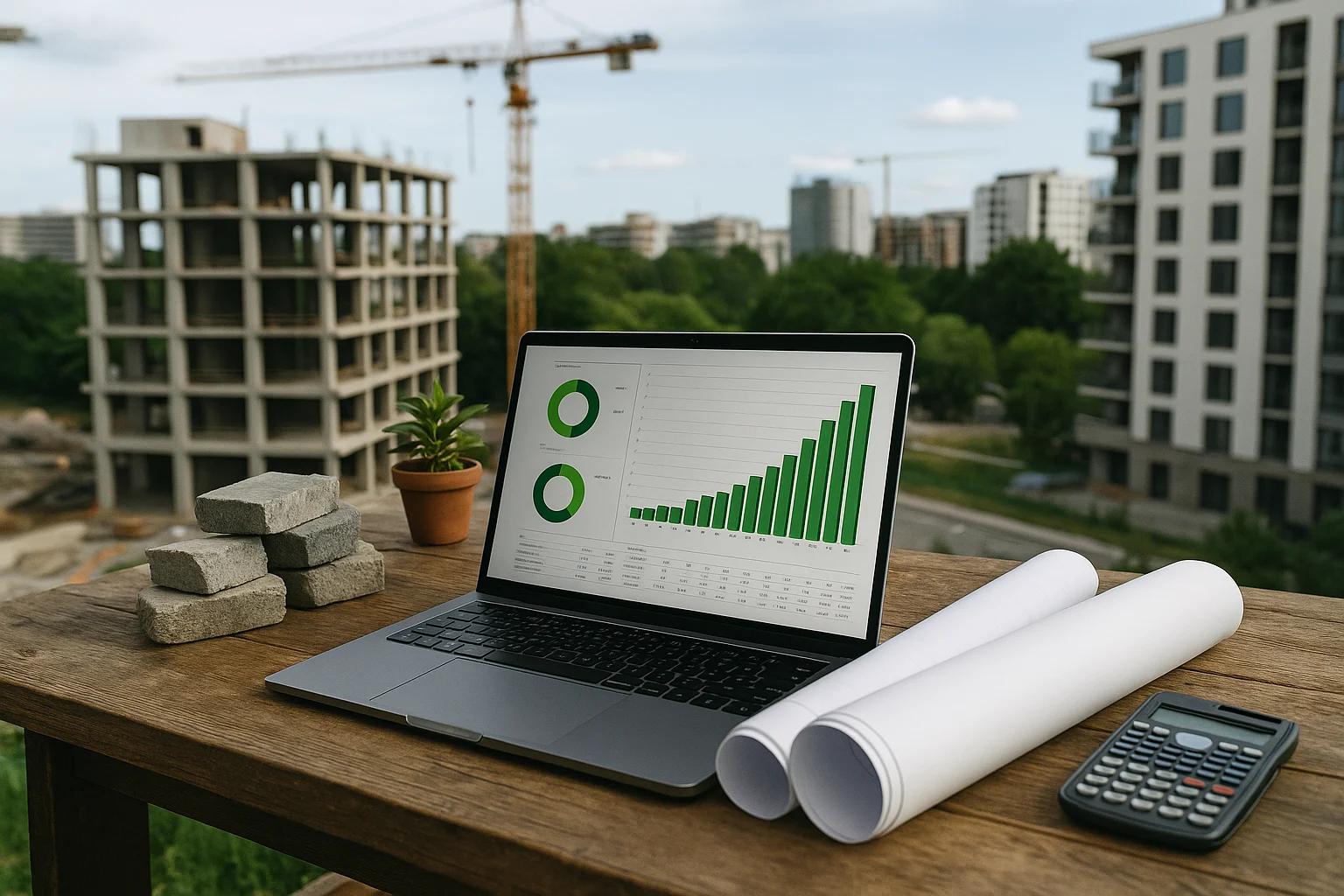
Sustainable design is becoming increasingly pivotal in the architecture and engineering industries, particularly as stakeholders recognize the importance of minimizing greenhouse gas emissions. One significant aspect of sustainable design is whole-life carbon accounting, which assesses the total carbon emissions associated with a building throughout its lifecycle. This guide aims to provide a step-by-step approach for professionals in the field, illustrating how to effectively implement carbon accounting and benchmarks in sustainable design.
1. Understanding Whole-Life Carbon Accounting
Whole-life carbon accounting evaluates all emissions related to a building, from material extraction to demolition. It includes:
- Embodied Carbon: Emissions from material extraction, manufacturing, and transportation.
- Operational Carbon: Emissions generated during the building's use, e.g., energy consumption for heating, cooling, and electricity.
- End-of-Life Carbon: Emissions associated with the demolition and disposal of materials.
2. The Importance of Carbon Benchmarks
Establishing benchmarks is crucial in measuring progress toward carbon reduction goals. Benchmarks can vary based on building type, location, and design practices. Key benefits include:
- Ability to compare performance with similar projects.
- Identification of areas for improvement.
- Enhanced decision-making based on empirical data.
3. Step-by-Step Guide to Implementing Whole-Life Carbon Accounting
To integrate whole-life carbon accounting into your design process, follow these sequential steps:
Step 1: Define the Scope
Identify what aspects of carbon emissions you will measure. Consider a comprehensive approach that includes:
- All lifecycle stages of the building.
- Specific materials and construction methods.
Step 2: Collect Data
Gather data on materials, energy use, and emissions. Utilize tools such as:
- Life Cycle Assessment (LCA) software.
- Building Information Modeling (BIM) tools.
- Industry databases for embodied carbon factors.
Step 3: Conduct Calculations
Calculate the total carbon emissions for the entire lifecycle. Break down the calculations into the three components (embodied, operational, and end-of-life) to understand where the most significant impacts occur.
Step 4: Set Benchmarks
Establish benchmarks using existing data from comparable projects, industry standards, or government guidelines. This step is critical for measuring your project's performance against established norms.
Step 5: Analyze Results
Analyze the data to identify carbon hotspots, inefficiencies, and opportunities for reduction. Use visualization tools to communicate findings effectively to stakeholders.
Step 6: Implement Reduction Strategies
Based on your analysis, implement strategies to reduce carbon emissions. This may include:
- Choosing low-carbon materials.
- Improving energy efficiency.
- Incorporating renewable energy sources.
Step 7: Monitor and Report
Continuously monitor the carbon emissions throughout the building's operational phase. Reporting on performance against established benchmarks ensures accountability and transparency.
4. Choosing the Right Tools for Carbon Accounting
Several tools are available for professionals looking to incorporate whole-life carbon accounting into their workflows. Some notable options include:
| Tool | Description | Accessibility |
|---|---|---|
| One Click LCA | An LCA tool offering a database of materials and components for carbon accounting. | Subscription-based |
| Carbon Trust | Provides guidelines and tools for carbon footprinting and benchmarking. | Free resources available |
| GaBi Software | A comprehensive tool for detailed LCA and carbon accounting. | Subscription-based |
5. Future Trends in Whole-Life Carbon Accounting
As the industry evolves, several trends are emerging in whole-life carbon accounting:
- Standardization: The push for standardized methodologies to enhance comparability between projects.
- Policy Integration: Increased alignment between regulations and carbon accounting practices.
- Technological Advances: Enhanced software and tools leveraging AI and big data for more accurate assessments.
Conclusion
Implementing whole-life carbon accounting is a crucial step towards achieving sustainable design in architecture and engineering. By following the outlined steps, professionals can effectively measure and reduce carbon emissions, positioning their projects for success in an increasingly eco-conscious market. Embracing this approach not only aids in meeting regulatory requirements but also promotes a sustainable future for the built environment. As the awareness and methodologies around carbon accounting continue to evolve, staying informed and adaptable will empower professionals to lead the charge towards greener designs.