Sustainable Retrofitting of Heritage Sites: Balancing Preservation and Modern Functionality
Discover the innovative approaches to sustainable retrofitting of heritage sites that blend the old with the new, enhancing their longevity while minimizing environmental impact.
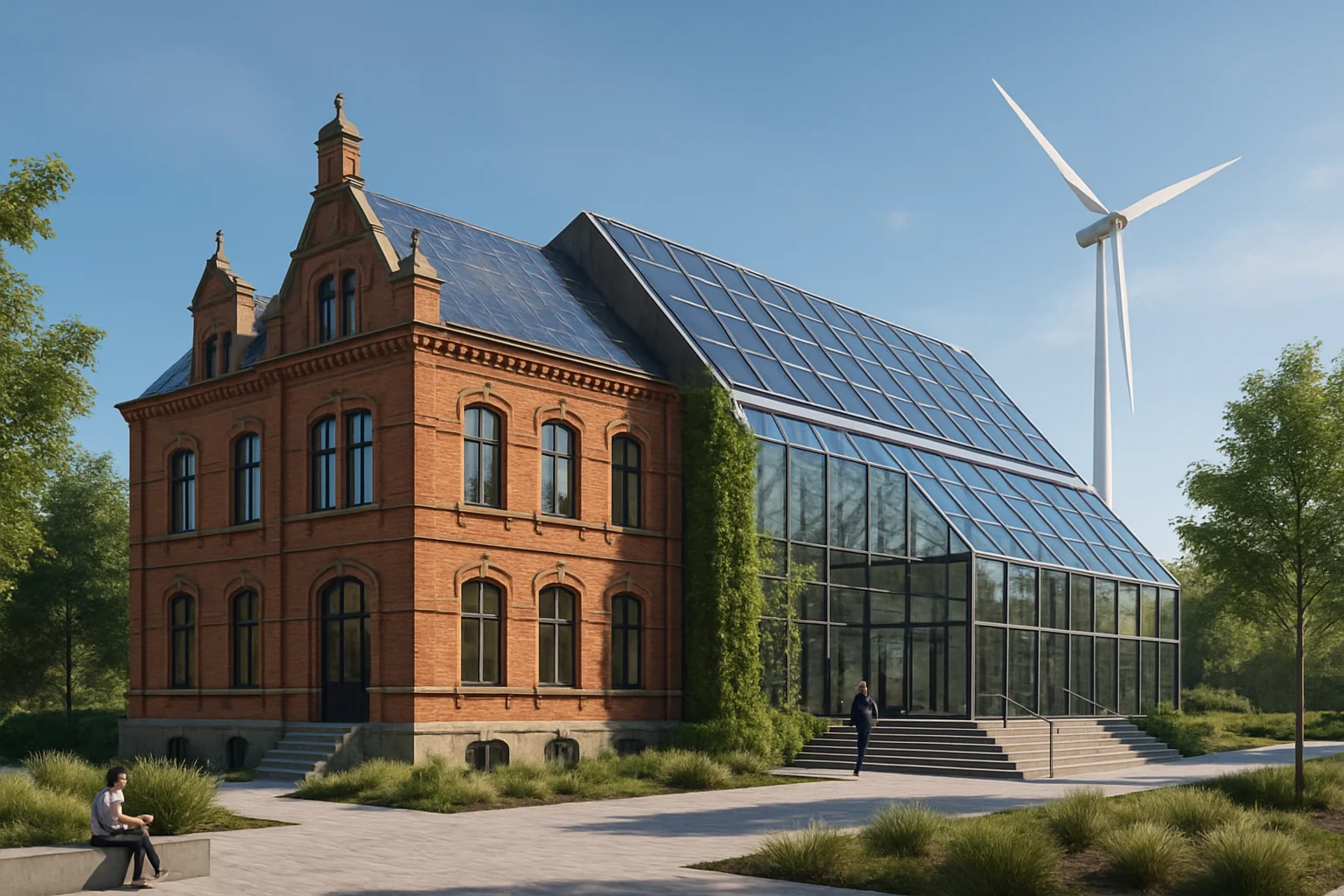
The concept of sustainable design has gained increasing prominence within the architecture and engineering fields, particularly regarding the retrofitting of heritage sites. The challenge lies in harmonizing the preservation of historical significance while simultaneously addressing modern sustainability requirements. This article examines the principles, methodologies, and technologies involved in sustainable retrofitting of heritage structures, appealing to practicing engineers, architects, builders, and real estate professionals.
Understanding Sustainable Retrofitting
Sustainable retrofitting involves upgrading existing buildings using environmentally friendly practices and technologies to improve energy efficiency, reduce waste, and enhance occupant comfort without compromising the building's historic value. This process can involve a variety of strategies, including energy-efficient HVAC systems, sustainable materials, and renewable energy sources.
Key Principles of Sustainable Retrofitting
When embarking on the retrofitting of heritage sites, several key principles should guide the process:
- Preservation of Historical Integrity: It is essential to respect and protect the historical value of a building. Modifications should be reversible and should not alter defining characteristics.
- Energy Efficiency: Implement systems that reduce energy consumption, such as improved insulation, energy-efficient lighting, and smart energy management systems.
- Water Conservation: Optimize water use through the installation of low-flow fixtures and greywater recycling systems.
- Material Selection: Use sustainable and locally sourced materials wherever possible to minimize environmental impact.
- Community Engagement: Involve the community in the retrofitting process to ensure that the modifications meet local needs and preserve the building's cultural significance.
Benefits of Sustainable Retrofitting
The advantages of retrofitting heritage sites sustainably extend beyond environmental impact. Here are some of the key benefits:
| Benefit | Description |
|---|---|
| Enhanced Energy Performance | Improved insulation and energy-efficient systems lead to significant reductions in utility costs. |
| Extended Lifespan | Effective retrofitting can prolong the life of structures, allowing them to serve future generations. |
| Cultural Preservation | Maintaining the aesthetic and historical integrity contributes to cultural heritage conservation. |
| Increased Property Value | Retrofitting can enhance the market appeal and overall value of real estate assets. |

Challenges in Sustainable Retrofitting
Despite its benefits, sustainable retrofitting of heritage sites presents unique challenges:
- Regulatory Restrictions: Many heritage buildings are subject to strict regulations regarding modifications, which can limit retrofitting possibilities.
- Higher Initial Costs: The upfront investment in sustainable technologies and practices can be significant, though long-term savings often offset this.
- Balancing Modern Needs with Historical Values: Finding a compromise between current occupant needs and the preservation of historical character can be complex.
Successful Case Studies
Several notable projects illustrate successful sustainable retrofitting in heritage contexts. Below are a few examples:
- Empire State Building, USA: The retrofitting process included advanced energy-efficient systems, resulting in energy savings of over 38%.
- St. Pancras Station, UK: The renovation combined modern architectural design with the original structure, improving energy efficiency while maintaining historical features.
- Cooper Union, USA: This project retrofitted its historic academic buildings with energy-efficient systems while remaining true to the original architecture.
Strategies for Implementation
To effectively implement sustainable retrofitting of heritage sites, stakeholders should consider the following strategies:
- Conduct a Comprehensive Assessment: Evaluate the building’s current condition, historical significance, and potential for retrofitting.
- Engage Experts: Collaborate with architects, engineers, and conservation specialists to design retrofitting plans that respect the heritage of the building.
- Prioritize Site-Specific Solutions: Tailor strategies based on the unique characteristics and needs of each heritage site.
- Monitor and Evaluate: After implementation, ongoing evaluation of performance and user feedback is crucial for maintaining effectiveness.
Future Trends in Sustainable Retrofitting
Looking ahead, several trends are expected to shape the future of sustainable retrofitting of heritage sites:
- Integration of Smart Technologies: The incorporation of smart building technologies can optimize energy usage and enhance user experience.
- Focus on Circular Economy: Emphasis on using recycled materials and reducing waste in retrofitting practices will gain traction.
- Community-Centric Approaches: Increased involvement in retrofitting projects by community members to ensure the needs and interests of local populations are represented.
Conclusion
The sustainable retrofitting of heritage sites stands at the intersection of preservation and innovation. By integrating environmentally friendly practices, respecting historical significance, and addressing modern needs, stakeholders can contribute to the longevity of heritage buildings while minimizing adverse environmental impacts. The importance of collaboration between architects, engineers, builders, and local communities cannot be overstated, as they play vital roles in ensuring the success of these initiatives. As we move into a future that values sustainability and heritage, the principles outlined in this article will guide professionals tasked with safeguarding our architectural legacy.