Revolutionizing Additive Manufacturing: The Role of Nanomaterials in 3D Printing Innovation
This article delves into the cutting-edge advancements introduced by nanomaterials in 3D printing, emphasizing their transformative impact on additive manufacturing processes across various industries.
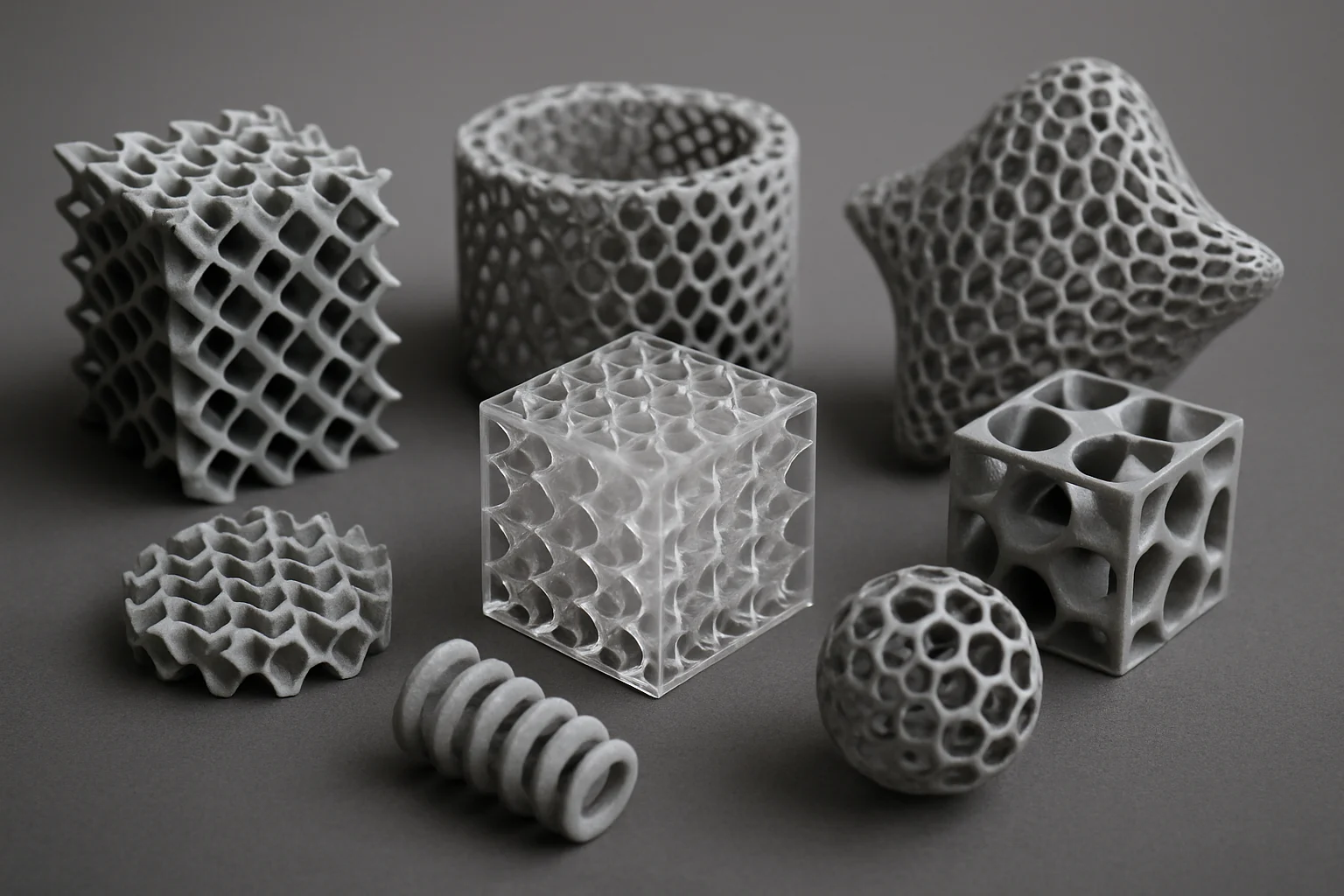
The advent of 3D printing has opened new frontiers in manufacturing processes, significantly revolutionizing various industries, including construction, aerospace, automotive, and healthcare. Central to these advancements is the incorporation of nanomaterials in additive manufacturing, which enhances the performance, efficiency, and versatility of 3D printed products. This article discusses how nanomaterials are influencing the future of 3D printing and the implications for engineers, architects, and builders.
Understanding Nanomaterials
Nanomaterials, defined as materials with at least one dimension measuring between 1 and 100 nanometers, exhibit unique physical and chemical properties that differ markedly from their macro-scale counterparts. This difference in behavior is primarily due to their high surface area-to-volume ratio, quantum effects, and material characteristics. Key types of nanomaterials relevant to 3D printing include:
- Nanoparticles: Extremely small particles that can enhance mechanical, thermal, and electrical properties.
- Nanoshells: Composite materials where nanoparticles are embedded within a matrix, providing a combination of properties.
- Nanofibers: Fibers with diameters in the nanometer range, used for creating lightweight and strong materials.
The Synergy Between Nanomaterials and 3D Printing Technologies
Integrating nanomaterials into 3D printing technologies has opened new avenues for innovation in additive manufacturing. Here’s how this synergy manifests:
1. Enhanced Material Properties
The inclusion of nanomaterials significantly enhances the mechanical properties of 3D printed components. For example:
- Strength: Nanocarbon structures can increase the tensile strength of polymers used in 3D printing.
- Thermal Stability: Nanomaterials can elevate the temperature resistance of printed parts, making them suitable for high-temperature applications.
- Electrical Conductivity: The integration of conductive nanoparticles can transform ordinary plastics into conductive materials.

2. Lightweight Components
In industries such as aerospace and automotive, reducing weight without sacrificing strength is critical. Nanomaterials can lead to the development of lightweight yet robust components, aiding in fuel efficiency and overall performance.
3. Customization and Versatility
Nanomaterials allow for greater versatility in material properties, enabling the customization of 3D printed objects tailored for specific applications. This becomes pivotal in sectors like healthcare, where biocompatible and personalized implants can be developed.
Applications of Nanomaterials in 3D Printing
The application of nanomaterials in 3D printing spans a broad spectrum of industries, each exploiting the unique advantages offered. Below are notable applications:
1. Medical Devices
In the medical field, nanomaterials are used to fabricate implants, custom prosthetics, and drug delivery systems. For instance, 3D printed scaffolds using biodegradable nanofibers can support cell growth for tissue engineering.
2. Aerospace Components
Aerospace manufacturers are leveraging nanocomposites to produce lightweight and durable parts, which ultimately lead to reduced fuel consumption and increased efficiency.
3. Automotive Industry
In the automotive sector, the application of nanomaterials in 3D printing facilitates the production of strong yet lightweight parts, improving vehicle performance and safety.
Challenges and Considerations
Despite the immense potential of nanomaterials in 3D printing, several challenges must be addressed:
- Cost: The production and processing of nanomaterials can be expensive, affecting the overall cost of 3D printing.
- Health and Safety: The handling of nanomaterials requires careful consideration of health risks and environmental impacts.
- Regulatory Standards: The lack of standardization and regulations surrounding nanomaterials can hinder industry-wide adoption.
The Future of Nanomaterials in 3D Printing
As research and development in nanotechnology continue to evolve, the future of nanomaterials in 3D printing looks promising. The industry is expected to see advancements such as:
- Improved Formulations: Ongoing research into novel nanomaterials will expand the range of applications in 3D printing.
- Integration with IoT: Future 3D printed products may include smart capabilities via embedded nanomaterials.
- Increased Collaboration: Greater collaboration among engineers, material scientists, and manufacturers will drive innovation.
Conclusion
Nanomaterials stand at the forefront of advancing 3D printing technologies, promising to enhance material properties, improve customization options, and expand the range of applications. While challenges exist, the synergy between nanotechnology and additive manufacturing heralds a new era of innovation, reshaping the landscape for engineers, architects, and builders. Embracing these advancements will be crucial for professionals seeking to remain competitive in an ever-evolving industry.