Residential HVAC, Plumbing and Electrical Services: A Complete Home Maintenance Guide
A practical guide to maintaining the interconnected HVAC, plumbing, electrical, water heating, and backup power systems that keep a home safe and comfortable.
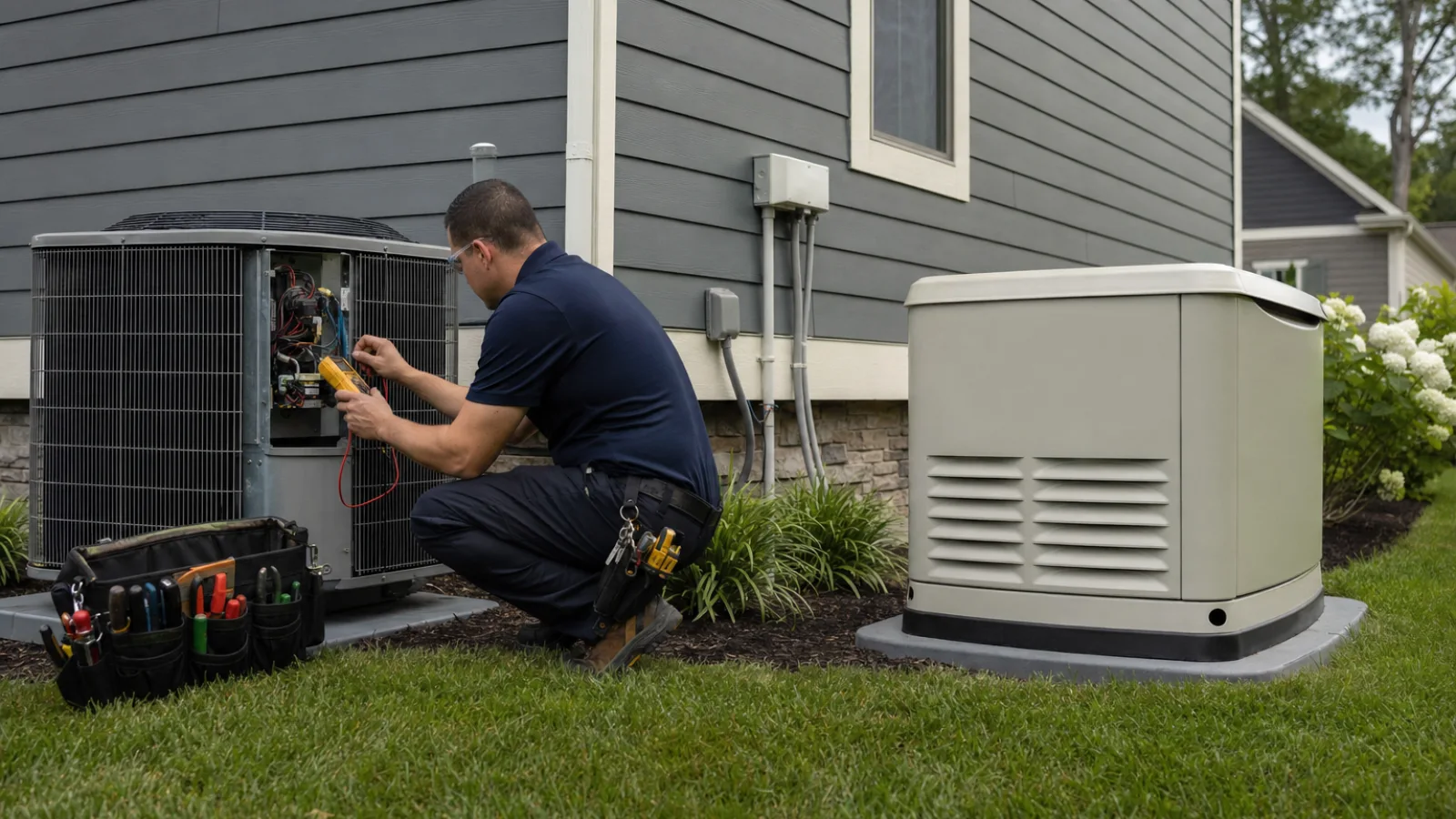
Keeping a home safe and comfortable throughout the year requires more than occasional repairs. Heating and cooling equipment, plumbing networks, electrical wiring, and backup power systems all need proper installation, regular maintenance, and timely professional attention. Binsky Home Service, serving homeowners in New Jersey and Eastern Pennsylvania, is an example of a residential service provider offering HVAC, plumbing, and electrical solutions, including 24/7 emergency assistance for urgent home system problems. Its services cover AC and heating installation and repair, furnace and boiler maintenance, plumbing repairs, water heaters, wiring, outlets, and installation of generac whole home generators to help homeowners prepare for power interruptions.
These systems are closely connected. An electrical panel supplies power to the furnace, air conditioner, pumps, and water heater. Plumbing carries water to fixtures and removes wastewater, while HVAC equipment controls temperature, humidity, and air movement. A failure in one system can affect another, interrupt daily routines, or create a safety and property-protection concern. The most effective maintenance strategy combines routine observation by the homeowner with scheduled work by qualified professionals.
How Residential HVAC Systems Maintain Indoor Comfort
Residential HVAC equipment manages temperature and, to a limited extent, indoor air quality. Central air conditioners remove heat from indoor air and release it outdoors. Furnaces typically warm air before a blower distributes it through ductwork, while boilers heat water or another fluid that circulates through radiators, baseboard units, or in-floor systems. Heat pumps can move heat into or out of a house, allowing one system to provide both heating and cooling.
Thermostats signal when the home needs more heating or cooling. Air filters protect equipment and help limit airborne particles, but a filter that is dirty or incorrectly installed can restrict airflow. Duct leakage, blocked registers, poor insulation, and equipment that is too large or too small can also produce uneven temperatures and higher operating costs. Proper sizing and installation are therefore just as important as the equipment’s efficiency rating.
Residential HVAC maintenance commonly includes inspecting electrical connections, controls, motors, condensate drainage, coils, burners where applicable, and air distribution components. The exact service depends on the system type and manufacturer requirements. Homeowners can keep supply and return grilles clear and replace filters as appropriate, but internal electrical, combustion, and refrigerant work should be left to trained technicians.
Air Conditioning Installation, Repair, and Maintenance
An air conditioner that runs continuously, produces weak airflow, or fails to cool some rooms may have an airflow restriction, a thermostat problem, a drainage issue, a mechanical fault, or a refrigerant-related problem. Rattling, grinding, buzzing, and hissing sounds should not be ignored, particularly when they appear suddenly or are accompanied by reduced performance. Water near an indoor unit may indicate a clogged condensate drain or another problem that can damage ceilings and flooring.
Reliable AC installation starts with a load assessment and equipment selection suited to the house. Oversized equipment may cycle too frequently and remove less humidity, while undersized equipment may struggle during hot weather. Technicians should also verify duct connections, condensate drainage, electrical protection, airflow, and thermostat operation. Refrigerant circuits and high-voltage components require specialized tools and procedures; homeowners should not attempt to open, recharge, or repair them.
Simple observations can help identify trouble early. Check whether filters are loaded with dust, whether outdoor coils are obstructed by vegetation, and whether indoor vents remain open. If cooling performance changes abruptly, shut down equipment that is making dangerous sounds, producing smoke, or tripping a breaker and arrange professional diagnosis.
Heating Systems: Furnaces, Boilers, and Heat Pumps
Furnaces heat air directly and distribute it through ducts. Boilers heat water for radiators, baseboards, or radiant floors. Heat pumps transfer heat rather than generate it through combustion, although some systems include supplemental electric heat for very cold conditions or unusually high demand. Each design has different maintenance needs and warning signs.
Furnace and boiler maintenance may include examining burners, heat exchangers, venting, pumps, expansion components, safety controls, and combustion-related operation. A cracked heat exchanger, blocked vent, unusual flame behavior, soot, or repeated safety shutdown requires professional attention. Carbon monoxide cannot be identified by sight or smell, so homes with combustion equipment should have properly located carbon monoxide alarms and should never operate fuel-burning equipment with blocked or damaged venting.
Heating repair is not always the best long-term choice. Age, repair frequency, unsafe operation, poor comfort, availability of replacement parts, and expected efficiency should be considered together. A replacement decision should be based on the condition of the complete system, not just one failed component. A qualified technician can explain whether repair, partial replacement, or a new system is the most practical option.
Plumbing Repairs and Preventing Water Damage
Plumbing failures often begin with small clues: a damp cabinet, a slow drain, a toilet that runs frequently, a stain on a ceiling, or a sudden change in water pressure. Leaking supply lines, corroded valves, deteriorating pipes, failed appliance connections, and damaged drain lines can all release enough water to harm flooring, walls, cabinets, and insulation.
Prompt plumbing repairs can limit damage and make the source easier to identify. Homeowners should know where the main water shutoff is located and should close it when a major leak is discovered, provided it can be reached safely. A small leak beneath a sink may be isolated at a fixture valve, but concealed leaks, sewage backups, persistent low pressure, and burst pipes call for professional service.
Drain cleaners and improvised repairs can damage piping or conceal a larger problem. Professional diagnosis may involve inspecting accessible connections, testing pressure, evaluating drainage, and determining whether pipe deterioration is localized or widespread. Preventive measures include protecting exposed pipes from freezing, checking hose connections, and replacing visibly brittle or corroded supply lines before they fail.
Residential Water Heater Services
Conventional storage water heaters keep a tank of heated water available for household use. Tankless units heat water as it passes through the equipment, which can reduce standby losses but may require careful sizing and adequate gas or electrical capacity. Neither design is automatically better for every home; demand patterns, installation space, fuel type, water quality, and budget all matter.
Water heater services may include inspection, flushing or other manufacturer-approved maintenance, temperature and pressure safety checks, anode evaluation where applicable, leak diagnosis, and replacement. Sediment can reduce heating performance and contribute to noise in tank-type equipment. A leaking tank usually indicates a replacement decision, while a leaking connection, valve, or drain fitting may be repairable.
Water that is too hot can create a scalding hazard, while water that is not hot enough may signal a control or heating problem. Installation also involves venting, combustion air, electrical protection, piping, drainage, and code requirements. These details make qualified installation important, particularly when changing fuel types or moving from a tank system to tankless equipment.
Residential Electrical Services and Safety
Electrical systems distribute power from the utility connection through the service equipment and panel to branch circuits, switches, receptacles, lighting, appliances, HVAC equipment, and other loads. Breakers are designed to interrupt power when current becomes excessive, while grounding and other protective devices help reduce shock and fire risks. A breaker that trips once may reflect a temporary overload; repeated trips require investigation rather than repeated resetting.
Residential electrical systems support everything from lighting and kitchen appliances to HVAC equipment and home offices. When wiring becomes outdated, outlets stop functioning correctly, or circuit breakers trip repeatedly, professional inspection may be necessary. Providers such as Binsky Home Service offer electrical services that include wiring repairs, outlet work, electrical panel upgrades, inspections, and installations designed to support safe and reliable household power.
Warning signs include warm or discolored outlets, flickering lights, buzzing switches, burning odors, damaged cords, loose receptacles, and sparks that occur during normal use. These conditions should not be treated as cosmetic defects. Stop using affected equipment, keep water away from electrical components, and arrange a professional evaluation. Homeowners should not remove panel covers, alter wiring, replace breakers with different ratings, or attempt repairs on energized equipment.
Whole-Home Generators and Backup Power
A permanently installed standby generator can supply selected essential circuits or a larger portion of the home during a utility outage. An automatic transfer switch detects the loss of normal power, disconnects the home from the utility supply, and transfers selected loads to the generator. When utility power returns, the switch reverses the process and the generator shuts down after a cool-down period.
Generator sizing should account for starting loads from equipment such as pumps, air conditioners, and refrigerators, not only their normal running demand. Fuel supply, placement, clearances, exhaust direction, noise, maintenance access, and local permitting are also important. Installation must prevent dangerous backfeeding into utility lines and should be completed by qualified professionals.
Portable generators differ from whole-home systems. Portable units require manual setup and connection methods appropriate to the home, while standby generators are permanently installed and can operate automatically. Portable generators must never be operated indoors, in garages, or near doors and windows because of exhaust hazards. Both types require regular exercise or testing, fuel planning, and maintenance according to the equipment instructions.
Why 24/7 Emergency Home Services Matter
Some failures cannot wait for a convenient appointment. A major water leak, loss of heat during freezing conditions, sewage backup, electrical burning odor, exposed energized wiring, or a generator problem during an outage may threaten occupants or property. The first step is to protect people: leave an unsafe area, avoid contact with water near electrical equipment, and shut off utilities only when it can be done safely.
Binsky Home Service is an example of a provider offering 24/7 emergency assistance for urgent home system problems in its New Jersey and Eastern Pennsylvania service area. Emergency availability should not be interpreted as a guarantee that every service, part, or replacement can be completed at any hour. The immediate objective is usually stabilization and diagnosis, followed by a permanent repair or replacement plan.
Preventive Maintenance Throughout the Year
A seasonal routine helps homeowners notice changes before they become emergencies. Heating equipment is commonly reviewed before cold weather, while air conditioning is checked before the cooling season. Plumbing and electrical observations should continue year-round, especially after renovations, storms, or changes in household energy use.
| System | Typical maintenance activity | Warning signs | When to contact a qualified professional |
|---|---|---|---|
| HVAC | Replace suitable filters, keep grilles clear, inspect seasonal equipment, and check condensate drainage. | Uneven temperatures, weak airflow, unusual noises, or repeated shutdowns. | Before seasonal operation, after a performance change, or when electrical, combustion, or refrigerant faults are suspected. |
| Plumbing | Inspect visible connections, fixture valves, hose bibs, and exposed pipes for moisture or corrosion. | Stains, slow drains, low pressure, sewer odors, or unexplained water use. | For concealed leaks, burst pipes, sewage problems, persistent pressure changes, or pipe deterioration. |
| Water heater | Check for leaks, inspect accessible connections, and follow the equipment’s maintenance requirements. | Rust-colored water, rumbling, inadequate hot water, or water around the tank. | For tank leaks, safety-control concerns, combustion or venting issues, and replacement decisions. |
| Electrical | Keep panels and outlets unobstructed and visually check cords, receptacles, and lights. | Heat, discoloration, flickering, buzzing, burning odors, or repeated breaker trips. | Immediately for overheating, damaged wiring, arcing, persistent trips, or panel work. |
| Backup power | Follow the generator’s testing, oil, battery, and fuel-maintenance schedule. | Failure to start, alarms, abnormal exhaust, or transfer problems. | For installation, transfer-switch issues, fuel concerns, or any unsafe operating condition. |
Repair or Replace: Making the Right Decision
The cheapest immediate repair is not always the lowest-cost decision over time. Consider equipment condition, repair history, safety, comfort, efficiency, parts availability, and the cost of modifying connected systems. A replacement may make sense when failures are recurring, performance remains poor after repair, or a major component is no longer supported. Conversely, a well-maintained system with a localized and reasonably diagnosed fault may be a good repair candidate.
Ask for a clear explanation of the problem, the work proposed, relevant alternatives, and what remains uncertain. For larger projects, compare written estimates based on equipment, labor, controls, permits, disposal, warranty terms, and required electrical or plumbing changes rather than comparing one headline price.
Choosing a Reliable Residential Service Provider
Look for a provider that communicates clearly, uses qualified personnel, follows applicable safety requirements, and explains findings without pressure. A dependable company should distinguish an emergency stabilization from a permanent repair, provide transparent recommendations, and identify conditions that require further inspection. Service agreements can be useful when they describe specific tasks and exclusions rather than promising vague protection.
Good documentation also matters. Keep records of equipment models, repairs, filter changes, water heater work, generator maintenance, and electrical upgrades. These records help technicians diagnose recurring problems and help future buyers or property managers understand the home’s systems.
Practical Home Maintenance Checklist
- Replace HVAC filters as required for the equipment and household conditions, and keep supply and return grilles clear.
- Schedule seasonal heating and cooling inspections, especially when performance changes or equipment is older.
- Check visible plumbing connections, water heater areas, ceilings below bathrooms, and exposed pipes for moisture.
- Know the main water shutoff and avoid delaying repairs for persistent leaks, pressure changes, or drainage problems.
- Look for warm outlets, flickering lights, damaged cords, buzzing, and repeated breaker trips; do not attempt unsafe electrical repairs.
- Follow the maintenance schedule for standby generators, including battery, oil, fuel, and operational checks.
- Keep professional service records and ask for written recommendations when repair and replacement options are being considered.
Homeowners can safely observe, clean accessible areas, replace appropriate filters, and report changes. Work involving refrigerants, combustion systems, gas, panel interiors, permanent generator connections, concealed leaks, or high-voltage equipment belongs with qualified technicians.
Conclusion
Residential HVAC, plumbing and electrical services are most valuable when they are part of a planned maintenance strategy rather than a response to repeated emergencies. Regular inspections help protect comfort, indoor safety, energy performance, and the building itself. By recognizing warning signs, addressing leaks and electrical concerns promptly, maintaining water heating and HVAC equipment, and planning carefully for backup power, homeowners can make better repair and replacement decisions while keeping essential systems dependable through every season.