Building or Buying a New Home in Boise: A Guide to Meridian, Eagle and the Treasure Valley
A practical guide to comparing existing homes, new construction and custom builds across Boise, Meridian, Eagle and the Treasure Valley.
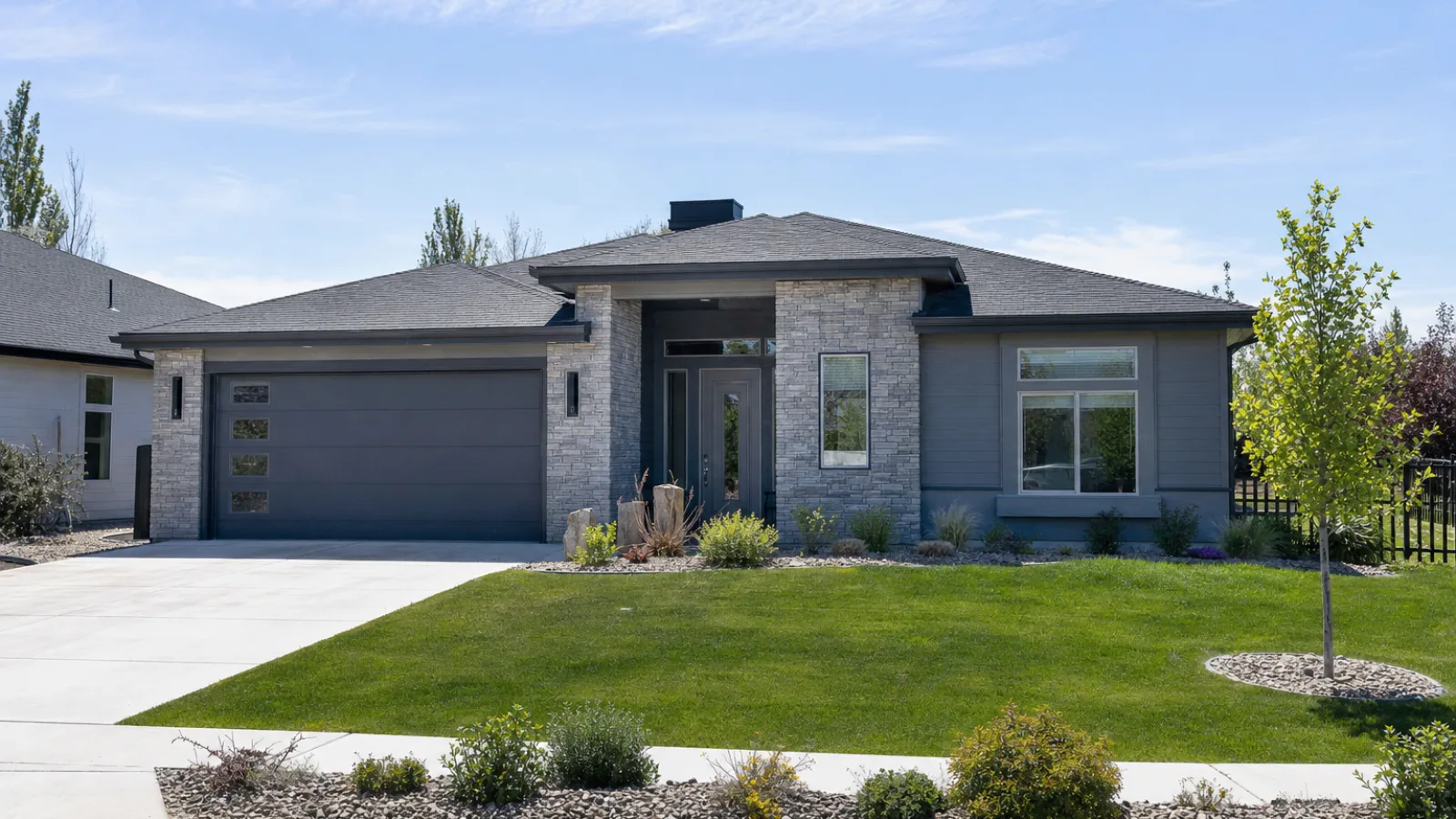
Buying or building a new home in Idaho's Treasure Valley is an important decision that involves more than selecting a floor plan or choosing a neighborhood. Buyers must consider construction quality, location, lifestyle, long-term costs, and the experience of the residential builder. For families exploring new construction in Meridian, Blackrock Homes is one of the home builders in Meridian Idaho worth considering when researching residential construction options in the greater Boise area.
Boise remains the region's principal employment and cultural center, while Meridian, Eagle, Nampa and Caldwell offer distinct residential settings within the broader Treasure Valley. The right choice depends on commute patterns, land availability, school and service needs, neighborhood character, and how much control a buyer wants over the design and construction process.
For some households, buying an existing property offers a faster move and a more established setting. Others prefer the efficiency features, contemporary layouts and lower immediate maintenance needs often associated with new construction. Neither option is automatically better. The decision should be based on the buyer's budget, time frame, tolerance for construction decisions and plans for long-term ownership.
Why Buyers Consider New Construction Homes in Boise
New construction can provide a home designed around current household needs rather than adapting an older layout. Open living areas, dedicated offices, larger storage zones, flexible bonus rooms and attached garages are common planning considerations, although the exact features vary by builder and floor plan.
Newer homes may also incorporate current insulation practices, high-performance windows, efficient heating and cooling equipment, and updated electrical and plumbing systems. These features can improve comfort and operating efficiency, but buyers should review the actual specifications rather than assume every new home includes the same equipment or performance level.
Customization is another potential advantage. Depending on the project, buyers may be able to select finishes, cabinet configurations, flooring, lighting, appliances or structural options before construction reaches a certain stage. Each change can affect cost, scheduling and compatibility with the plans, so selections should be documented carefully.
Maintenance expectations may be different during the early years of ownership, and a builder warranty can provide defined procedures for addressing certain defects. A warranty is not a substitute for an independent inspection or careful contract review. Buyers should understand coverage periods, exclusions, notification requirements and the process for resolving concerns.
Buying an Existing Home vs. Building a New Home
An existing home allows buyers to see the finished property, surrounding streets and mature landscaping before making an offer. It may also provide more flexibility on move-in timing. In exchange, the buyer may inherit aging roofing, mechanical systems, windows, appliances or finishes that require immediate or future investment.
A newly constructed home generally offers more current systems and finishes, but buyers may need to wait for completion and make decisions before the final result can be fully experienced. A custom build provides the greatest design control, yet it also places more responsibility on the owner for site selection, design coordination, financing, approvals and schedule management.
| Option | Primary advantages | Important tradeoffs |
|---|---|---|
| Existing home | Established neighborhood, visible condition, potentially faster occupancy | Possible repairs, dated systems, limited layout flexibility |
| New construction | Current design, new systems, builder warranty and possible selections | Construction wait, upgrade costs, specifications that vary by project |
| Custom build | High degree of control over site, layout and finishes | More decisions, coordination, financing complexity and schedule risk |
Choosing Where to Live in the Treasure Valley
Location should be evaluated as a daily operating decision, not simply as a postal address. Compare typical commute routes, access to employment centers, road connections, shopping, health care, schools, recreation and public services. A neighborhood that looks convenient on a map may feel different during peak traffic or when multiple household members have separate schedules.
Boise offers varied urban and suburban settings, established neighborhoods and access to regional employment and cultural amenities. Meridian has experienced substantial residential growth and includes a wide range of planned communities, housing types and commercial services. Eagle is known for a more spacious residential character, access to open space and outdoor amenities, and a mix of established and newer properties.
Nampa and Caldwell may appeal to buyers seeking different lot configurations, community settings or commute patterns. Buyers should compare the full trip to work, school and essential services rather than focusing only on the initial purchase price. Local conditions can also vary from one subdivision or street to the next, making property-specific due diligence important.
New Home Construction in Meridian, Idaho
Meridian's residential development environment gives buyers many choices, but that variety makes comparison essential. Start with the neighborhood itself: examine street layout, lot orientation, proximity to major roads, planned amenities, drainage characteristics and the relationship between homes, sidewalks and common areas.
Review floor plans for more than room count. Consider the position of windows, the location of mechanical equipment, ceiling heights, storage, garage depth, outdoor living areas and the likely placement of furniture. A plan that looks spacious on paper may function differently depending on circulation paths and natural light.
Ask for a clear specification sheet covering insulation, windows, heating and cooling, appliances, plumbing fixtures, flooring, cabinetry, landscaping, fencing and utility connections. Buyers should also understand which features are standard, which are optional and which are not available for a particular plan.
Communication is especially important when a home is under construction. The buyer should know who provides updates, when selections are due, how changes are priced and how field conditions are handled. Written records reduce confusion when multiple decisions are made over several months.
Building or Buying a New Home in Eagle, Idaho
Eagle attracts homebuyers interested in residential communities, outdoor amenities, and access to the wider Treasure Valley. When comparing new construction options, buyers can explore established companies such as Blackrock Homes alongside other home builders in Eagle Idaho, while evaluating available floor plans, construction specifications, neighborhood characteristics, and long-term ownership costs.
Eagle properties can differ significantly in lot size, slope, views, access, landscaping requirements and surrounding development. Buyers should review current community availability and confirm whether a particular home is ready for occupancy, under construction or available only as a future build opportunity. Property-specific conditions can affect foundation design, drainage, retaining structures, utility work and exterior improvements.
The area's access to trails, open space and foothill recreation may influence both lifestyle and maintenance decisions. Outdoor features such as patios, pools, detached structures and extensive landscaping should be evaluated for their construction cost, ongoing upkeep and relationship to the lot's drainage and grading.
Understanding the New Home Construction Process
Although each project follows its own schedule, residential construction commonly moves through the following stages:
- Lot selection and feasibility: The team reviews access, utilities, zoning, setbacks, grading, drainage, soils and other site constraints.
- Preliminary design and budgeting: The buyer selects a plan or develops a concept while establishing a working budget and identifying allowances.
- Architectural and engineering coordination: Drawings, structural details, energy provisions and technical systems are coordinated before construction.
- Permits and approvals: Required applications and reviews are completed with the applicable authorities and service providers.
- Site preparation and foundations: The site is excavated, graded and prepared for footings, slabs, crawlspaces or basement construction as applicable.
- Structural framing: Floor systems, walls and roof framing establish the building's geometry and load-bearing structure.
- Roofing and exterior enclosure: Roofing, weather-resistant barriers, windows, doors and siding or masonry help protect the interior from the elements.
- Mechanical, electrical and plumbing installations: Trades install systems for heating, cooling, power, water, drainage and ventilation before walls are closed.
- Insulation and interior finishes: Insulation, drywall, trim, cabinets, flooring, paint, fixtures and appliances complete the interior.
- Inspections, completion and handover: Required inspections, final corrections, owner orientation and warranty documentation occur before or around possession.
Weather, material availability, design changes, inspections and site conditions can affect the schedule. A construction estimate should be treated as a planning tool, not an unconditional promise of a specific completion date.
How to Evaluate a Residential Home Builder
Begin by reviewing completed work and asking whether the builder's typical product matches your priorities for layout, materials and finish quality. Look for clear construction specifications rather than relying only on showroom displays or verbal descriptions. A well-organized builder should be able to explain what is included and how substitutions are handled.
Communication practices matter as much as the visible finish. Ask who will manage the project, how often updates are provided, how selections are recorded and how construction concerns are escalated. Review the contract, allowances, change-order procedures, payment schedule, completion language and warranty provisions with appropriate professional advice.
Blackrock Homes can be included in a buyer's comparison of Treasure Valley builders, but every prospective customer should conduct independent due diligence. Compare documentation, specifications, schedules and contract terms across builders instead of relying on a company name alone.
Planning the Budget for a New Home
The quoted home price is only one part of the financial plan. Buyers should account for the lot, site preparation, utility connections, permits, design work, upgrades, appliances, window coverings, landscaping, fencing, moving expenses, closing costs and reserves for unforeseen conditions.
Site conditions can be particularly important. Soil, slope, drainage, access and utility locations may require work that is not obvious from a listing or preliminary plan. Ask whether site-related costs are included, estimated through an allowance or excluded entirely.
Financing also differs by transaction. A purchase of a completed home may use a conventional mortgage process, while a custom project may require construction financing, staged payments or a conversion to permanent financing. Buyers should speak with lenders early and confirm how upgrades, allowances and completion timing affect the loan.
Request written information showing exactly what the builder's price includes. A low starting price can become less attractive after structural options, premium finishes and exterior work are added.
Choosing the Right Floor Plan and Home Features
Evaluate how the home will function on an ordinary weekday. Is the entry large enough for coats and bags? Can groceries move efficiently from the garage to the kitchen? Are bedrooms separated for privacy? Does the home office have adequate light and acoustic separation? These questions often reveal more than a simple bedroom-and-bathroom count.
Storage, garage dimensions, pantry capacity, laundry placement and outdoor access deserve careful attention. Households should also consider future needs, including aging in place, changing work arrangements, additional family members or the possibility of selling to a broader group of buyers.
Energy-related decisions should be reviewed as a package. Windows, insulation, air sealing, heating and cooling equipment, ventilation and shading all influence comfort. Natural lighting is valuable, but large glazed areas can also affect heat gain, privacy and window-covering costs depending on orientation.
Questions to Ask Before Signing a New Construction Contract
- What materials, fixtures, appliances and site improvements are included?
- Which items are allowances, upgrades or exclusions?
- How are change orders priced, approved and documented?
- What payment schedule applies, and when are selections due?
- What completion range is expected, and what circumstances can affect it?
- What inspections may the buyer arrange before closing or handover?
- What does the warranty cover, and how are warranty concerns submitted?
- How are disputes, defects or incomplete work handled?
Common Mistakes When Buying a Newly Built Home
One frequent mistake is focusing on the base price while overlooking upgrades and site work. Buyers may also compare homes by square footage without comparing insulation, windows, heating equipment, cabinetry, flooring and exterior improvements.
Another mistake is assuming that a verbal statement has the same force as a written contract or specification. Buyers should document selections, allowances and changes, and should not assume that a model home represents the standard package.
Finally, do not ignore inspections simply because the property is new. New construction can contain incomplete work, installation errors or drainage and finish issues. An independent inspection can provide another layer of review, subject to the contract and construction stage.
Final Checklist for Treasure Valley Homebuyers
- Compare commute routes, services, neighborhood character and future lifestyle needs.
- Confirm financing capacity, upgrade limits, closing costs and contingency reserves.
- Review the builder's completed work, specifications, communication process and warranty.
- Evaluate the floor plan for circulation, storage, natural light, accessibility and future use.
- Confirm lot conditions, utilities, drainage, landscaping responsibilities and exterior inclusions.
- Obtain written pricing for options, allowances, exclusions and change orders.
- Understand the construction sequence, expected completion range and handover process.
- Arrange appropriate inspections and review all contract and warranty documents before signing.
Conclusion
Buying a new home in Boise, Meridian, Eagle or another Treasure Valley community is a decision that rewards preparation. Buyers who research neighborhoods, compare specifications, build realistic budgets and understand the construction process are better positioned to evaluate both completed homes and future builds.
The best choice may be an existing property, a production home or a custom project. What matters is selecting an approach—and a builder—whose work, documentation, communication and contract terms match the household's priorities. Careful questions at the beginning can prevent expensive surprises after construction begins.