Optimizing Building Orientation for Enhanced Energy Efficiency in Architecture
Explore the critical role of building orientation in achieving energy efficiency. This guide offers practical steps and a checklist for architects and builders in the EU.
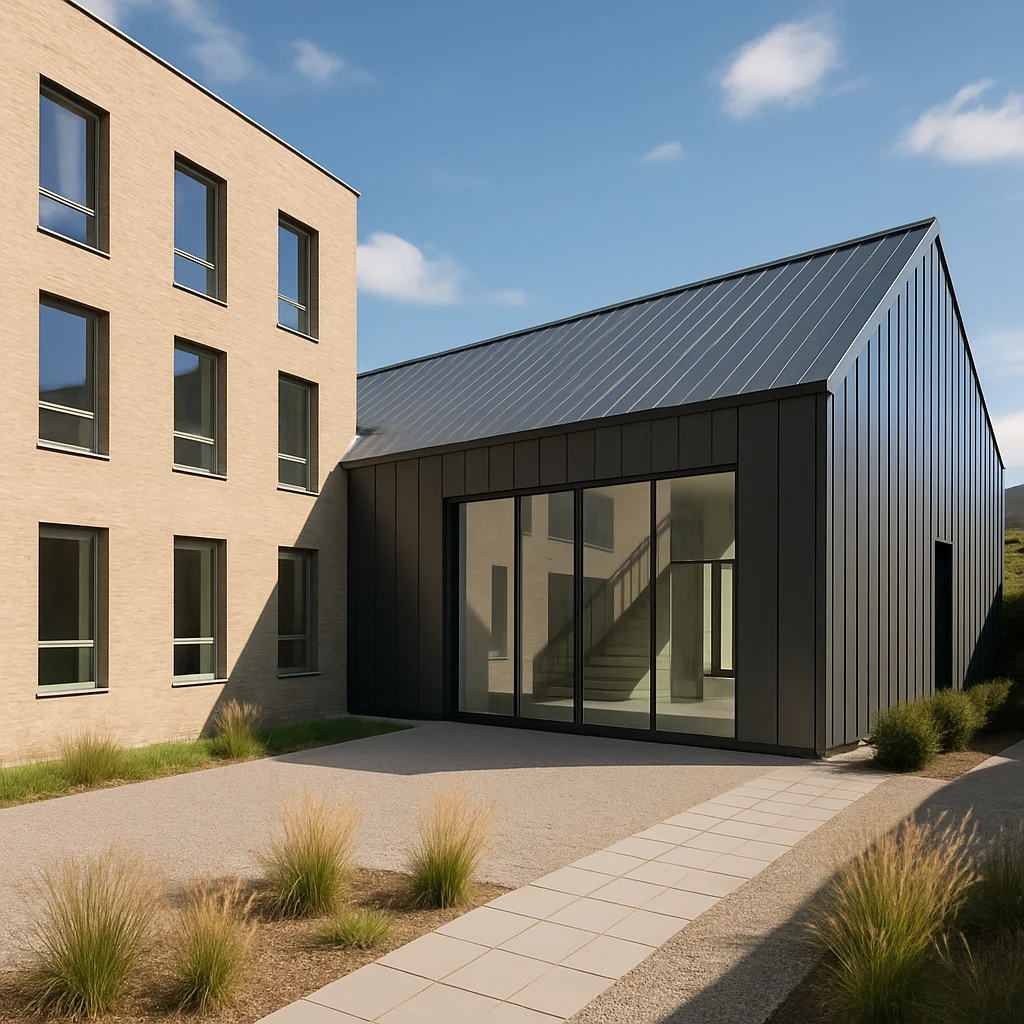
In an era where sustainability and energy efficiency are becoming increasingly critical in architecture, understanding the impact of building orientation is essential for architects, engineers, builders, and real estate professionals. Proper orientation can significantly reduce energy consumption, enhance occupant comfort, and lower operational costs. This guide details a pragmatic, step-by-step approach to optimizing building orientation within the European context.
1. Understanding the Basics of Building Orientation
Building orientation refers to the positioning of a structure in relation to the cardinal directions (north, south, east, west). The orientation influences solar exposure, wind patterns, and overall energy performance. In Europe, where solar radiation and climate conditions vary considerably, it is crucial to consider local weather patterns and site-specific factors.
2. Assessing Site Characteristics
Before determining the optimal orientation, conduct a thorough site analysis. Here’s how:
- Climate Analysis: Understand local climate data, including prevailing winds, sunlight hours, and seasonal temperature variations.
- Topography Study: Examine the surrounding topography to identify potential shading from neighboring buildings or natural landforms.
- Vegetation Assessment: Identify existing vegetation that could provide shade in summer or allow sunlight in winter, influencing heating and cooling needs.
3. Evaluating Energy Needs
Next, assess the energy needs of the building:
- Determine Usage Patterns: Analyze how the building will be used, as different functions may have varying energy demands.
- Conduct Energy Modeling: Utilize software tools to simulate energy performance based on different orientation scenarios.
- Set Energy Efficiency Goals: Establish benchmarks for energy efficiency, informed by EU regulations and standards.
4. Optimal Orientation Strategies
Once you understand the site characteristics and energy needs, apply these strategies for optimal orientation:
- Maximize South-facing Facades: In the northern hemisphere, buildings with larger south-facing windows can capture more solar heat.
- Minimize East and West Exposures: Reduce glazing on east and west sides to decrease overheating during the morning and afternoon.
- Integrate Passive Solar Design: Design overhangs or use brise-soleil to control sunlight penetration in the summer, while allowing for solar gain in the winter.
5. Utilizing Technology and Tools
Leverage modern tools to enhance your building orientation decisions:
- Building Information Modeling (BIM): Use BIM to visualize sunlight exposure and airflow patterns throughout the year.
- Solar Path Diagrams: Implement solar path diagrams to analyze seasonal sun angles and optimize window placements.
- Energy Simulation Software: Take advantage of energy simulation tools to predict the impact of orientation on energy consumption.
6. Regulatory Considerations
In the EU, be aware of the following regulations that can impact orientation decisions:
- Energy Performance of Buildings Directive (EPBD): Familiarize yourself with the EPBD, which mandates energy performance assessments.
- National Energy Codes: Review your country’s specific energy codes, which may dictate minimum performance standards.
7. Checklist for Building Orientation Optimization
To assist in your planning and execution, here’s a concise checklist:
- Conduct a site analysis (climate, topography, vegetation).
- Evaluate energy needs and usage patterns.
- Consider optimal orientation strategies (focus on south-facing facades).
- Utilize technology for energy modeling and simulation.
- Stay informed about regulatory requirements.
Conclusion
Building orientation plays a pivotal role in enhancing energy efficiency and sustainability within architecture. By systematically analyzing site characteristics, evaluating energy needs, employing optimal strategies, and adhering to regulatory frameworks, professionals can significantly improve energy performance while creating comfortable and practical living and working spaces. As the demand for sustainable architecture grows, understanding and implementing these principles will remain essential in the European context.