Transit-Oriented Development: A Case Study in Urban Resilience
This article explores a transit-oriented development project that exemplifies sustainable urban planning, highlighting the challenges faced, solutions implemented, and key takeaways for future developments.
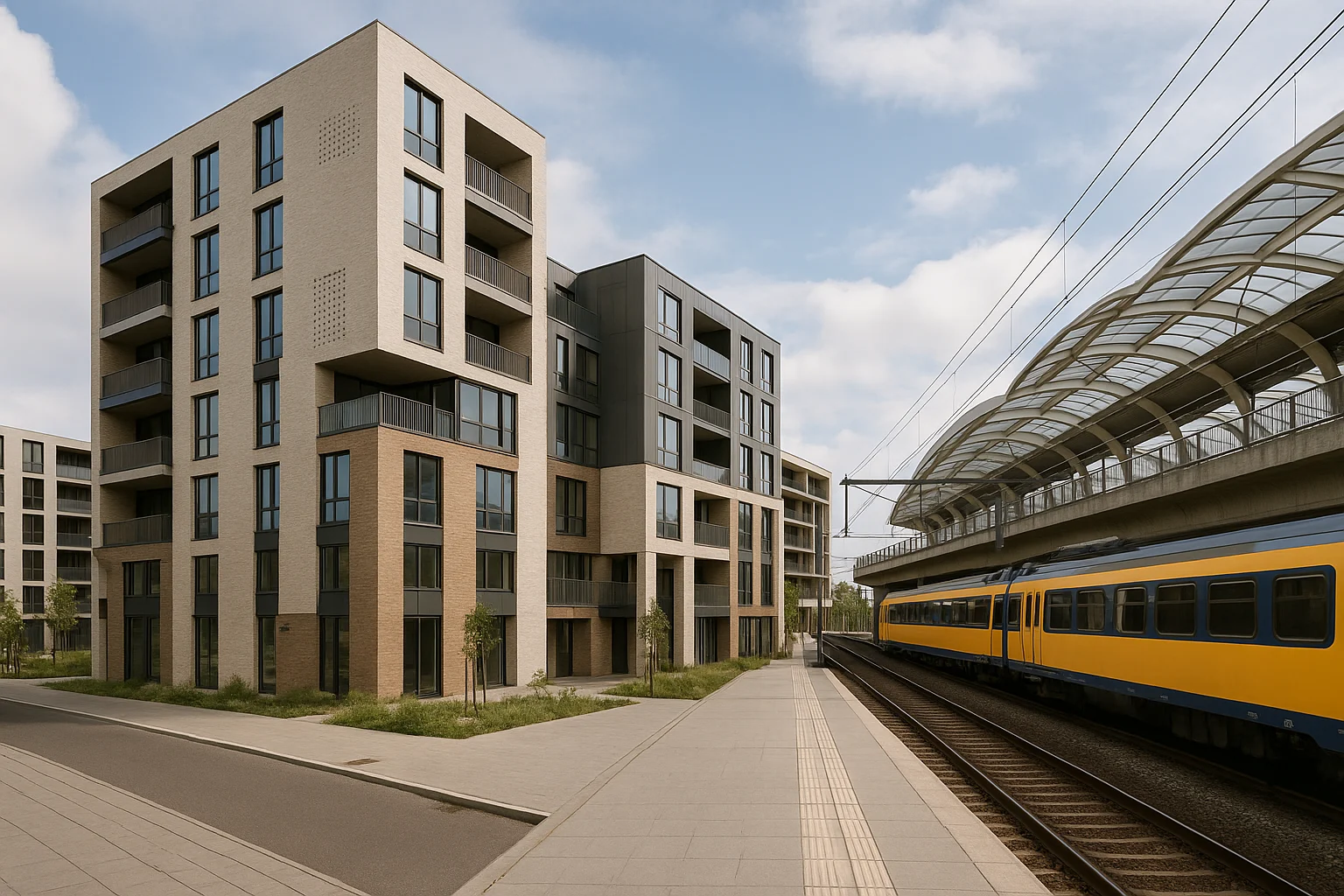
As cities worldwide grapple with increasing populations and the accompanying strain on infrastructure, transit-oriented development (TOD) has emerged as a beacon of sustainable urban planning. In this case study, we delve into the specifics of a notable TOD project, examining its context, constraints, solutions, and the valuable lessons learned from its implementation.
Context: The Need for Transit-Oriented Development
The selected case study focuses on the Greenway Station Project, located in the heart of a rapidly growing metropolitan area. With a population surge of over 25% in the last decade, local authorities recognized the urgent need for a comprehensive plan to enhance public transport, reduce vehicular congestion, and promote sustainable living environments. The Greenway Station Project was designed to cater to these needs by integrating residential, commercial, and recreational spaces around a newly constructed transit hub.
Constraints: Navigating Challenges in Development
Despite the clear benefits of TOD, the project faced multiple constraints, including:
- Financial Limitations: Securing funding was a significant hurdle, as the development relied on both public and private investment to cover infrastructure and community needs.
- Zoning Regulations: Existing zoning laws posed restrictions on building heights and mixed-use designs, necessitating negotiations for revisions.
- Community Resistance: Some local residents expressed concerns regarding gentrification and the preservation of community identity, which required engaging stakeholders early in the design process.
Solutions: Designing a Sustainable Community
In response to these constraints, a set of innovative solutions were developed:
- Public-Private Partnerships: The city collaborated with private developers to create a mixed-financing model, combining public funds with private investments to stimulate growth.
- Revised Zoning Codes: With extensive lobbying, the development team successfully advocated for adjustments to zoning laws, allowing for taller structures and a mixed-use approach that encourages retail, residential, and office spaces.
- Community Engagement Initiatives: To address concerns regarding gentrification, community workshops were held to involve local stakeholders in the design process, incorporating features that reflect the community’s identity.
Key Features of the Greenway Station Project
The Greenway Station Project boasts a range of features designed to promote sustainability and urban resilience:
| Feature | Description |
|---|---|
| Transit Hub | A central transit station serving multiple bus and rail lines, facilitating seamless connectivity and reducing reliance on personal vehicles. |
| Mixed-Use Development | Incorporating residential units, offices, shops, and public amenities within walking distance, promoting a vibrant community. |
| Green Spaces | Extensive parks and recreational areas designed to enhance community well-being and encourage outdoor activities. |
| Sustainable Building Practices | Utilizing eco-friendly materials and energy-efficient systems to minimize the project’s environmental impact. |
Lessons Learned from the Greenway Station Project
The implementation of the Greenway Station Project provided several insights that could benefit future transit-oriented development initiatives:
- Engagement is Key: Involving community members early in the planning process is crucial to mitigate resistance and foster support.
- Flexible Financing Models: Creative funding strategies, such as public-private partnerships, can help overcome financial barriers in large-scale developments.
- Adaptive Zoning Regulations: Advocating for flexible zoning laws can facilitate innovative designs that better meet community needs.
- Sustainability as a Core Principle: Integrating green building practices not only enhances the project's appeal but also contributes to long-term environmental benefits.
Conclusion: The Future of Transit-Oriented Development
The Greenway Station Project stands as a significant example of how transit-oriented development can lead to a more resilient and sustainable urban environment. By overcoming constraints through innovative solutions and engaging with the community, the project demonstrates a successful model that can be replicated globally. As urban areas continue to evolve, the principles of TOD will play a critical role in shaping livable, efficient, and sustainable cities for future generations.