Handover BIM Models: Bridging the Gap Between Construction and Operational Efficiency
This article delves into the process and standards of handing over BIM models in construction projects, emphasizing the implications for operational efficiency and compliance in the EU.
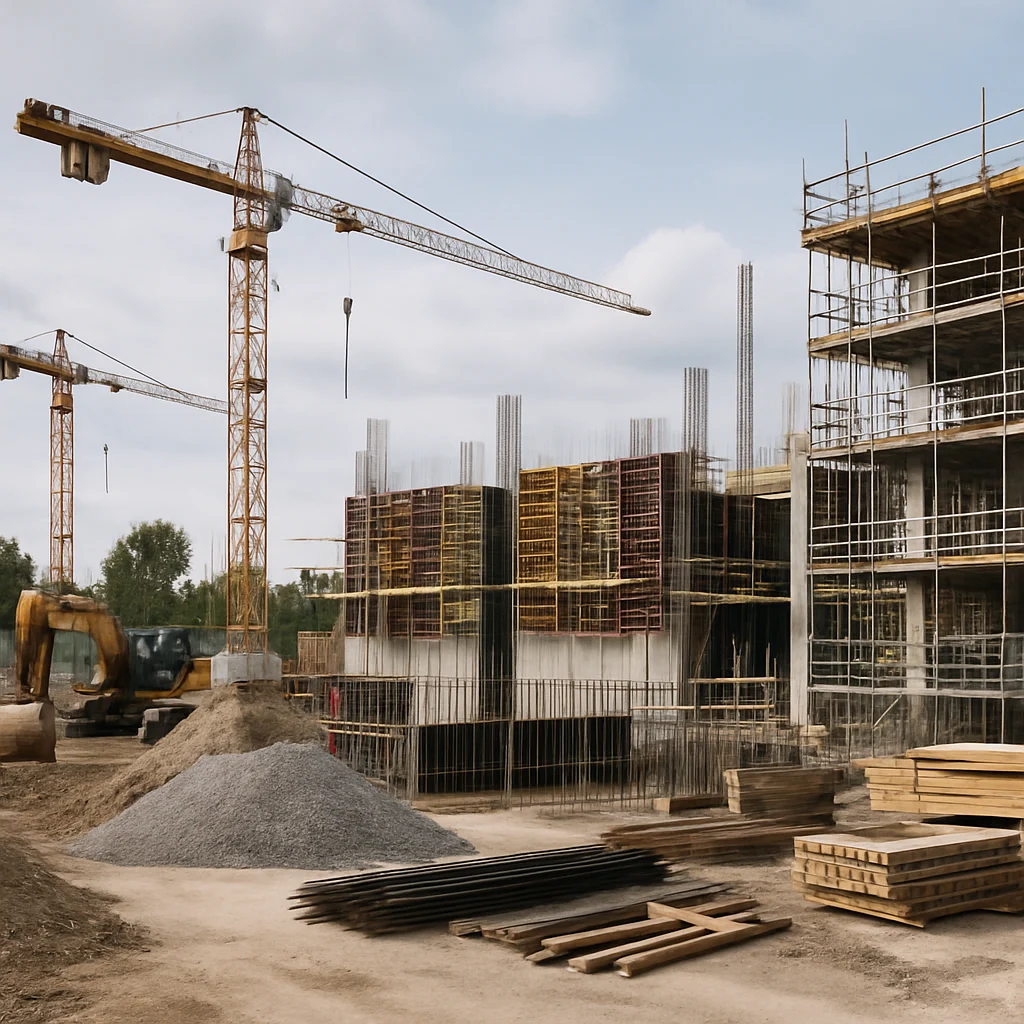
Building Information Modeling (BIM) has revolutionized the construction industry by streamlining project management, enhancing collaboration, and improving overall efficiency. However, the handover of BIM models from the construction phase to operational management is a critical yet often overlooked process. The seamless transition of these models is crucial for ensuring long-term operational efficiency and compliance with relevant standards and regulations in the European Union (EU). This article examines the intricacies of BIM handover processes, focusing on their importance in achieving effective building operations.
The Importance of Handover BIM Models
The handover process for BIM models is pivotal as it marks the transition from construction to operation and maintenance of a building. Properly executed handover ensures that:
- Facility managers have access to accurate, up-to-date information about building systems.
- Future modifications or repairs can be conducted efficiently, utilizing existing data.
- Compliance with EU regulations and industry standards is maintained, reducing liability and ensuring safety.
Relevant Standards and Codes
To facilitate effective BIM handover, several standards and codes have been established that govern the requirements for documentation, data formats, and processes:
| Standard | Description | Implications |
|---|---|---|
| ISO 19650 | International standard for information management using BIM. | Emphasizes structured data management through the project lifecycle, ensuring everyone has access to the right information at the right time. |
| BS 1192 | BIM and collaborative working protocol. | Guides best practices for collaborative working, emphasizing the importance of a digital Common Data Environment (CDE) during handover. |
| EN ISO 9001 | Quality management systems. | Highlights the need for documented processes throughout every stage of construction, including the BIM handover stage. |
Best Practices for Effective Handover
Implementing best practices when handing over BIM models ensures a smooth transition from construction to operation. The following procedures are recommended:
- Early Planning: Begin planning for the handover during the design phase. Engage facility management teams to understand their needs and ensure the BIM model captures essential operational data.
- Data Integrity Checks: Conduct thorough checks to verify that the BIM data is accurate and complete. This includes ensuring all design changes are documented and reflected in the model.
- Training for Facility Managers: Provide comprehensive training sessions for facility management personnel on how to utilize the BIM models effectively. This can significantly enhance operational efficiency.
- Document Transfer Formats: Use standardized file formats for transferring information to ensure compatibility and ease of access. Formats such as Industry Foundation Classes (IFC) are widely accepted.
- Post-Handover Support: Create a support framework to address any issues that may arise after the handover, enabling continuous improvement and adaptation of the BIM model for operational use.
Challenges in Handover Processes
Despite the clear benefits of BIM in construction and operation, several challenges can impede an efficient handover:
- Data Silos: Information may be fragmented across various platforms, hindering access and usability.
- Lack of Standardization: Varying interpretations of standards may lead to inconsistently delivered BIM models.
- Resistance to Change: Stakeholders may be reluctant to adopt new technologies or processes, slowing down implementation.
The Future of Handover BIM Models in the EU
As the EU moves toward a more digital and sustainable construction environment, the emphasis on efficient BIM handover processes will only grow. Regulations such as the EU Green Deal and the Digital Single Market are steering the construction industry toward better data management and operational sustainability.
Furthermore, future advancements in technology, such as Artificial Intelligence (AI) and Internet of Things (IoT) integration, promise to enhance the capabilities of BIM models, providing even more value throughout the building lifecycle.
Conclusion
In conclusion, the handover of BIM models is a critical stage in the construction process that significantly influences a building's operational success and compliance with standards. By adhering to established standards, following best practices, and addressing challenges proactively, engineers, architects, builders, and real estate professionals can ensure effective handover processes that enhance operational efficiency and meet evolving regulatory requirements in the EU.