Benefits of Custom Battery Design for Industrial Use
It stops in the middle of a shift, holds up a line, slows a warehouse crew or leaves a maintenance team chasing the same fault again.
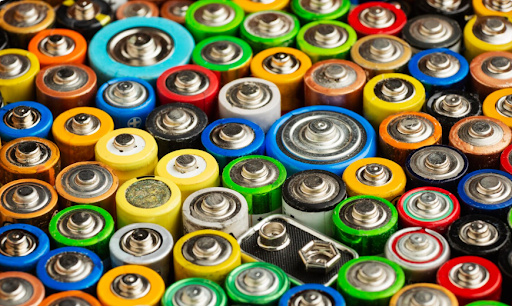
Industrial equipment does not fail politely. It stops in the middle of a shift, holds up a line, slows a warehouse crew or leaves a maintenance team chasing the same fault again. Quite often, the battery is treated as a small part of the machine. In daily use, it can decide whether the machine keeps working or becomes another delay on the floor.
Custom battery design matters because industrial work is rarely gentle. Machines face long hours, vibration, tight spaces, heat, cold rooms, dust, repeated charging and operators who need equipment to work without fuss. A standard battery may fit the compartment. However, it usually never means that it'll fit the job.
What Is Custom Battery Design and Why Does It Matter?

Custom battery design starts with the equipment, not with a shelf product. The designer studies the machine’s workload, runtime, working environment and charging routine, then chooses the right cells, voltage, capacity, casing, connectors and safety controls.
In plain words, the pack is built around the real working day.
This matters in industrial settings because small power problems become expensive quickly. A battery that runs short before the end of a shift can leave staff waiting. A pack that overheats in a closed space can create safety concerns. A poor fit can lead to loose wiring, awkward brackets or extra handling that nobody really has time for.
A custom design removes guesswork. It gives the machine a battery that suits its workload instead of asking the machine to adjust around a battery that was never quite right.
Key Benefits of Custom Battery Design for Industrial Applications

The first benefit is simple. The battery fits the purpose better.
That does not only mean size. It means the battery supports the way the equipment is actually used. A warehouse cart that starts and stops all day needs a different power pattern than a backup unit that sits quietly until needed. A cleaning machine may need steady output for a full route. A lifting device may need short bursts of higher demand.
Custom design can help with:
-
Better runtime during planned shifts
-
A cleaner fit inside the equipment
-
Less unnecessary weight
-
Safer cable routing and connectors
-
Charging that suits the team’s routine
-
Fewer workarounds on the floor
The practical value is felt in ordinary moments. Operators do not need to swap batteries too soon. Supervisors do not need to reshuffle tasks because one machine died early. Maintenance teams have fewer odd faults to investigate.
Good design also protects space. Industrial machines often leave very little room for the battery. When the pack is built to suit the enclosure, the result is neater and easier to service.
How Custom Batteries Improve Performance and Reliability in Industry
Performance in industry is not about looking powerful on a spec sheet. It is about steady behaviour when the work gets demanding.
A weak battery may run a machine well for the first hour, then drop off sharply. The equipment slows. Sensors behave oddly. Motors strain. Chargers show errors that nobody wants to diagnose during a busy day. However, as you understand the industrial battery system from keen experts, you will get the right guidelines.
A custom battery can be planned around the actual load. The pack can be sized to reduce deep discharge, handle peak demand more calmly and keep voltage more stable. That makes the machine feel more predictable.
Reliability improves when the battery is not being pushed beyond its comfort zone every shift. Cells age faster when they are badly matched to the job. Heat, heavy discharge and poor charging habits all shorten life. A better-designed pack gives the battery a healthier working pattern.
A battery management system can also be built into the design. This helps monitor temperature, voltage and current. It can help protect the pack from unsafe conditions and give clearer information to the equipment or operator.
For industrial teams, that can mean fewer sudden cutouts and fewer mystery failures. It also means less time spent guessing whether the machine has a battery problem, charger problem or control problem.
Cost Efficiency and Long-Term Savings With Custom Battery Solutions

Custom batteries can look more expensive at the start. That is the obvious part. The hidden cost is what happens when a cheaper standard pack keeps creating problems. However, in the long run, your Custom battery packs can be beneficial, depending on your requirements and how much you know about it beforehand.
Moving on, a battery that needs charging too often steals time. A battery that fails early creates replacement costs. A battery that stops a machine during production can cost far more than the pack itself.
The better calculation is lifetime value. To define more, you’d see various companies relying on the likes of performance data. As well as how they rely on prominent business research before choosing long-term battery solutions for industrial equipment. A custom battery can be matched closely to runtime, charging cycle, and workload. There is less chance of buying a pack that is too small, too heavy or built for the wrong duty cycle.
It also makes planning easier. When the battery is designed around the equipment, replacement timing, charging habits and maintenance checks become clearer. Staff do not need to invent their own ways to keep machines going.
There is a quiet saving in that. Less confusion. Less downtime. Fewer emergency purchases. Better use of labour.
For companies running several machines, these savings can build up. One battery issue may look small. Ten machines with the same weak point can become a steady drain on time and money.
Safety and Compliance Advantages of Custom Industrial Batteries
Safety is one area where guessing is risky. Industrial batteries can carry high energy in tight spaces. They may sit near moving parts, electronics, people, heat sources or metal frames. A poor design can create problems that only show up after months of use.
A custom industrial battery can be built with the right protection from the start. That may include suitable casing, insulation, fuses, thermal monitoring, secure connectors and a charging setup that matches the pack. The aim is not to make the battery complicated. The aim is to make it safer for the environment where it will work.
Compliance also needs attention. Some batteries must meet transport rules, site rules, equipment rules, or customer safety requirements. A properly planned battery gives managers clearer records and fewer doubts when equipment moves between sites or ships to customers.
This also helps maintenance teams. When the pack is documented properly, people know what charger to use, what limits to follow and when the battery should be inspected. That is much better than relying on memory or labels that have been half rubbed off.
A safer battery is not only about avoiding major incidents. It is about reducing daily risk in a place where machines, people and deadlines are always close together.
Conclusion
Custom battery design gives industrial equipment a better chance to work the way it was meant to work. The right pack can improve runtime, reduce faults, fit the machine cleanly and make charging less of a headache. It can also make safety and maintenance easier to manage. For businesses reviewing equipment power needs or planning custom battery pack replacements, the smartest step is to match the battery to the work instead of forcing the work around the battery.