How Airbnb Started: From Air Mattresses to a Billion-Dollar Company
Discover the incredible Airbnb history, a story that begins with two designers renting out air mattresses in their San Francisco apartment simply to make rent. This simple idea sparked a revolution in hospitality and created a multi-billion dollar company.
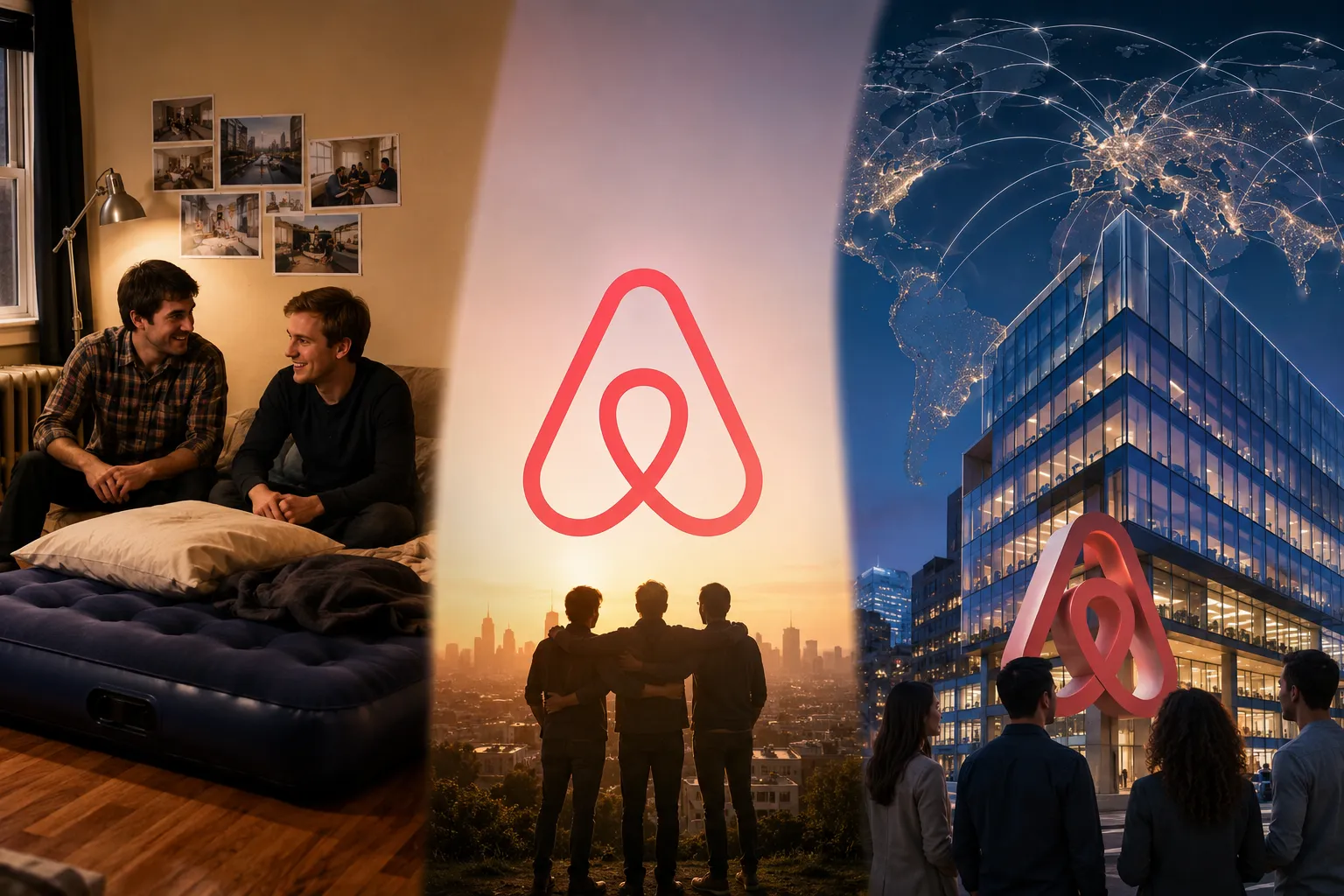
One of the world's most valuable hospitality companies began not in a boardroom, but in a San Francisco apartment where two designers couldn't afford their rent. In 2007, with a major design conference coming to town and hotels fully booked, they saw an unconventional opportunity. They bought three air mattresses, placed them in their living room, and created a simple website offering a place to sleep and a homemade breakfast. This humble beginning was the genesis of a global phenomenon that would redefine travel, hospitality, and real estate investment.
This is the definitive Airbnb history—a journey of persistence, innovation, and understanding a fundamental human need for connection and belonging. The concept evolved far beyond air mattresses, growing into Airbnb's official platform for short-term rentals and hosting, which now lists millions of properties worldwide. For property owners today, this story highlights the diverse potential of real estate, from traditional listings like the properties for sale and rent in Lebanon to innovative short-term rental models.
Who Founded Airbnb?
The Airbnb founders were three individuals with complementary skills who came together to solve a personal problem that turned out to be a universal one. Their combined expertise in design, engineering, and business strategy was crucial to the company's success.
- Brian Chesky: A designer by training from the Rhode Island School of Design (RISD), Chesky is the company's CEO and visionary. He focused on the user experience, culture, and overall strategy, ensuring the platform remained human-centric.
- Joe Gebbia: Also a designer from RISD and Chesky's roommate, Gebbia was the creative force behind the initial concept. He championed the idea of building a platform based on trust and community, shaping much of the early product design.
- Nathan Blecharczyk: A Harvard graduate and talented software engineer, Blecharczyk was brought on as the technical co-founder. He built the original website and the complex backend systems that allowed the platform to scale from a few listings to millions.
The First Paying Guests
In the fall of 2007, Brian Chesky and Joe Gebbia welcomed their first three guests: a 30-year-old Indian man, a 35-year-old woman from Boston, and a 45-year-old father of four from Utah. The hosts charged $80 per night for an air mattress on their floor, breakfast included. The original name was "AirBed & Breakfast."
This initial experience was more than a transaction; it was a proof of concept. The founders acted as local guides, offering tours and creating a personal connection. The feedback from these first guests was invaluable, highlighting the desire for authentic, local travel experiences over sterile hotel rooms. This focus on customer experience and community became a cornerstone of the Airbnb business model and a key differentiator in the crowded hospitality market.
Why Investors Initially Rejected Airbnb
The path from a simple website to a global enterprise was fraught with rejection. When the founders sought funding, Silicon Valley investors were deeply skeptical. Many couldn't see the market potential, famously asking, "Who would ever want to stay in a stranger's home?" The idea seemed niche, unsafe, and unscalable.
The rejections were numerous and disheartening. Investors saw a limited market, potential legal liabilities, and a business that was difficult to categorize. This early period of struggle taught the founders critical lessons in resilience and the importance of data. They learned to articulate their vision not just as a lodging company, but as a community platform built on trust. For modern entrepreneurs, consulting with experienced real estate brokers and agents can provide the market validation and strategic insights that early-stage founders often need to convince skeptical stakeholders.
The Startup That Almost Failed
By 2008, the company was burning through cash and accumulating significant credit card debt. The Airbnb growth story nearly ended before it began. In a desperate and creative move to raise funds during the 2008 presidential election, the founders designed and sold politically themed cereal boxes: "Obama O's" and "Cap'n McCain's."
They sold hundreds of these novelty boxes for $40 each, raising around $30,000. This unconventional fundraising tactic, born of necessity, not only kept the company afloat but also caught the attention of Paul Graham, the co-founder of the prestigious startup accelerator Y Combinator. It demonstrated a level of grit and resourcefulness that he found compelling.
Joining Y Combinator
Acceptance into Y Combinator in 2009 was the turning point in the Airbnb history. The accelerator provided a small seed investment, invaluable mentorship, and a structured environment to refine their business strategy. Paul Graham advised the founders to do things that don't scale, urging them to fly to New York City, their biggest market at the time, to meet their hosts in person.
During these trips, they discovered a critical flaw: hosts were using low-quality photos, which made listings unappealing. In response, they rented a high-end camera and went door-to-door, taking professional photos of apartments for free. Bookings in New York immediately doubled. This hands-on, user-centric approach proved that improving the user experience was the key to unlocking growth, a lesson that shaped their scaling strategy for years to come.
Airbnb's Business Model
The Airbnb business model is a classic example of a two-sided marketplace, connecting two distinct user groups—hosts and guests—and facilitating transactions between them. It is a powerful model that thrives on network effects: the more hosts join, the more attractive the platform becomes for guests, and vice-versa.
Business Model Breakdown
| Component | Description |
|---|---|
| Value Proposition (Hosts) | Provides a platform to monetize unused space, earn supplemental income, and set their own pricing and availability. |
| Value Proposition (Guests) | Offers unique, affordable, and authentic travel accommodations with a wider variety of options than traditional hotels. |
| Key Partners | Hosts (property owners), freelance photographers, payment processors, insurance companies. |
| Key Activities | Platform development, marketing, customer support, trust and safety management, global expansion. |
| Customer Segments | Hosts (casual and professional) and Guests (leisure travelers, business travelers, digital nomads). |
Revenue Sources
| Source | How It Works |
|---|---|
| Guest Service Fee | A percentage (typically under 14.2%) charged to guests on top of the booking subtotal. This is Airbnb's primary revenue stream. |
| Host Service Fee | A smaller percentage (usually 3%) charged to hosts for each completed booking, covering payment processing and platform costs. |
| Airbnb Experiences | A commission taken from hosts who offer local tours, workshops, and activities. |
Technology Behind Airbnb
Technology is the engine that powers the Airbnb business model. The platform is not just a listing site; it's a sophisticated ecosystem of tools designed to build trust, streamline logistics, and create a seamless user experience on a global scale.
- Search Algorithms: A complex algorithm ranks listings based on hundreds of factors, including photo quality, host responsiveness, reviews, price, and location, to provide personalized recommendations.
- Trust and Review Systems: A two-way review system allows both hosts and guests to rate each other, building a reputation-based community. Verified IDs and secure messaging further enhance safety.
- Payment Systems: A proprietary global payment system handles transactions in numerous currencies, holding guest payments in escrow and releasing them to the host 24 hours after check-in to ensure satisfaction.
- Mobile Applications: Native apps for iOS and Android provide a seamless experience for booking, communication, and managing listings on the go.
- AI and Machine Learning: AI is used for dynamic pricing recommendations (Smart Pricing), fraud detection, and personalizing search results to match guest preferences with the ideal listings.
Global Expansion
Airbnb's global expansion strategy was aggressive and highly effective. Rather than a one-size-fits-all approach, the company focused on localization, adapting its platform and marketing to resonate with different cultures. This involved setting up local offices, hiring regional teams, and supporting multiple languages and currencies.
Airbnb Growth Timeline
| Year | Key Milestone |
|---|---|
| 2007 | Concept of "AirBed & Breakfast" is born in San Francisco. |
| 2009 | Joins Y Combinator; rebrands to Airbnb. Professional photography program launches. |
| 2011 | Achieves 1 million nights booked. Opens first international office in Hamburg, Germany. |
| 2012 | Expands to South America, Australia, and Asia. Acquires rival London-based Crashpadder. |
| 2015 | Becomes official alternative accommodation provider for the Rio Olympics. Expands into Cuba. |
| 2017 | Acquires Luxury Retreats, entering the high-end vacation rental market. |
| 2020 | Successfully navigates the COVID-19 pandemic and goes public with a massive IPO. |
| 2023 | Surpasses 1.5 billion guest arrivals since its founding. |
Impact on Real Estate
The rise of the short-term rental platform has had a profound and multifaceted impact on the real estate industry. For property investors, it created a new asset class and revenue stream. A well-located property could often generate significantly more income as a vacation rental business than as a traditional long-term lease.
This has led many investors to specifically purchase properties for the purpose of listing them on Airbnb. It also influenced property design, with features like self-check-in keypads, durable furniture, and "Instagrammable" decor becoming more common. However, this trend has also been linked to rising rental costs and housing shortages in popular tourist destinations, as properties are removed from the long-term rental market.
Challenges and Criticism
Despite its success, the Airbnb growth story has been marked by significant challenges and criticism. The company's disruptive model has often clashed with local laws and community interests, leading to regulatory battles in cities around the world.
Key issues include:
- Housing Affordability: Critics argue that Airbnb reduces the supply of long-term housing, driving up rents for local residents.
- Regulatory Hurdles: Many cities have implemented strict regulations, including licensing requirements, limits on the number of rental days, and special taxes.
- Neighborhood Impact: Concerns about noise, parties, and the erosion of community character have led to opposition from neighborhood associations.
- Safety and Liability: Incidents at properties have raised questions about safety standards, insurance coverage, and platform liability.
Advantages vs. Challenges
| Advantages of the Airbnb Model | Challenges and Criticisms |
|---|---|
| Empowers individuals to monetize their assets. | Contributes to housing shortages and rising rents. |
| Provides travelers with more choice and authentic experiences. | Faces complex and ever-changing local regulations. |
| Drives tourism revenue to local neighborhoods, not just hotel districts. | Can negatively impact neighborhood quality of life. |
| Flexible income source for property owners. | Trust and safety issues remain a constant concern. |
Real Example #1: The Spare Room Host
Consider Sarah, a young professional living in a two-bedroom apartment in a popular urban neighborhood. To help with her mortgage, she decided to list her spare room on Airbnb. After investing around $1,000 in new bedding, decor, and a smart lock, she started hosting weekend travelers. By charging an average of $90 per night and achieving 50% occupancy, she generates an extra $1,350 per month. This supplemental income not only covers a significant portion of her housing costs but has also allowed her to save for other investments, demonstrating the power of the sharing economy for the average homeowner.
Real Example #2: The Professional Investor
Now consider Mark, a real estate investor who manages a portfolio of five properties exclusively as short-term rentals. He purchased condos in a vacation destination with the sole intent of operating a vacation rental business. While the revenue potential is high—each unit grosses over $50,000 annually—the operational challenges are significant. Mark uses property management software to handle bookings, coordinates with cleaning crews, manages maintenance requests, and constantly adjusts pricing to remain competitive. His success depends on professionalization, efficiency, and delivering a consistent, high-quality guest experience across all properties.
Airbnb During COVID-19
The COVID-19 pandemic in 2020 was the single greatest crisis in the company's history. As global travel ground to a halt, bookings plummeted by over 80%, and the company's future looked uncertain. However, Airbnb's response demonstrated remarkable resilience and adaptability.
The company quickly pivoted its focus. Instead of international travel, it promoted local getaways and "staycations." It also saw a surge in demand for long-term stays, as remote workers and digital nomads sought to escape crowded cities. This shift proved the flexibility of its model compared to traditional hotels. After making difficult decisions, including significant layoffs, Airbnb recovered faster than many expected, culminating in one of the largest IPOs of 2020.
Key Innovations
Airbnb's success is not just due to its initial idea, but its continuous innovation in building a trusted and user-friendly platform. Several key features were instrumental in overcoming the inherent friction of the sharing economy.
- Host and Guest Reviews: The two-way review system created a self-regulating community where good behavior is rewarded with a strong reputation.
- Airbnb Experiences: Expanding beyond accommodation, this feature allowed locals to offer unique activities, deepening the travel experience and creating another revenue stream.
- Flexible Search: Features like "I'm Flexible" allow users to search by date, destination, or even category (e.g., "Amazing Pools," "Arctic"), catering to new patterns of travel.
- AI-Powered Tools: The introduction of AI tools for hosts, like AI-generated photo tours and smarter inbox management, helps streamline operations and improve listing quality.
Lessons for Entrepreneurs
The Airbnb history is a masterclass in modern entrepreneurship. It offers invaluable, actionable insights for anyone looking to build a successful business, particularly in the digital marketplace and real estate technology sectors.
Startup Lessons from Airbnb
| Lesson | Explanation |
|---|---|
| Solve a Real Problem | Airbnb started by solving its founders' own problem: paying rent. The most successful businesses address a genuine, relatable pain point. |
| Embrace Persistence | From countless investor rejections to selling cereal boxes, the founders refused to give up. Grit is often the deciding factor in startup survival. |
| Obsess Over the Customer | Flying to New York to personally take photos showed a deep commitment to the user experience. Do things that don't scale to learn what your customers truly need. |
| Build Trust by Design | In a business based on strangers, trust is the currency. Airbnb invested heavily in profiles, reviews, and secure payments to build that trust. |
| Think Globally, Act Locally | Successful expansion requires understanding and adapting to local markets, not imposing a single solution everywhere. |
The Future of Airbnb
The future of Airbnb is tied to the evolving landscape of travel, work, and technology. The company is poised to capitalize on several key trends:
- Artificial Intelligence: AI will further personalize the guest experience, from predictive search results to AI-powered concierges, and will continue to streamline hosting operations.
- Sustainable Travel: There is a growing demand for eco-friendly travel options. Airbnb is likely to expand its focus on sustainable properties and experiences.
- The Rise of Digital Nomads: The permanent shift to remote work for many professionals creates a massive market for long-term, flexible stays, a segment where Airbnb is already strong.
- Integrated Travel: The company may move towards becoming an all-in-one travel platform, integrating flights, car rentals, and other services more deeply into its ecosystem.
Final Recommendations
The Airbnb history is more than a corporate success story; it is a powerful testament to how a simple solution to a personal problem can transform global industries. From air mattresses in a living room to a publicly traded hospitality giant, the journey of its founders offers profound lessons in persistence, user-centric design, and the power of building a community based on trust.
For property owners and real estate investors, the rise of the short-term rental platform has unlocked new avenues for generating income and maximizing asset value. The sharing economy has permanently altered the hospitality and real estate landscapes, creating opportunities for those willing to adapt and innovate.
If you are exploring investment opportunities in real estate, whether for traditional rental or the short-term market, understanding these trends is crucial. We encourage you to explore the diverse listings at Vision Constructors and connect with our team of professionals who can guide you through your investment journey.
Frequently Asked Questions
Who founded Airbnb?
Airbnb was founded by Brian Chesky, Joe Gebbia, and Nathan Blecharczyk in San Francisco in 2008.
Why is it called Airbnb?
The original name was "AirBed & Breakfast." It was named for the air mattresses the founders used for their first guests and the breakfast they offered. It was later shortened to Airbnb as the platform expanded to include all types of properties.
How did Airbnb become successful?
Airbnb became successful by focusing on user experience, building a system of trust through reviews, using professional photography to improve listings, and persistently adapting its business model based on user feedback. Joining the Y Combinator accelerator was a critical turning point that helped them refine their strategy and scale.
How does Airbnb make money?
Airbnb makes money primarily by charging service fees. It charges a fee to guests on every booking (usually under 14.2%) and a smaller fee to hosts (usually 3%) to cover the costs of processing payments.
What is Airbnb's business model?
Airbnb operates on a two-sided marketplace business model. It connects people who have space to rent (hosts) with people who are looking for a place to stay (guests). The platform facilitates the entire process, from booking and communication to payment and reviews, taking a commission from each transaction.
What can entrepreneurs learn from Airbnb?
Entrepreneurs can learn several key lessons from the Airbnb growth story: solve a real problem you understand, be persistent in the face of rejection, focus obsessively on your customers' experience, and design systems that build trust between users.