How Can You Source Cocoa Beans Directly from Cameroon for Your Business?
Finding a dependable cocoa source is an important step for chocolate manufacturers, food processors, wholesalers, and international traders.
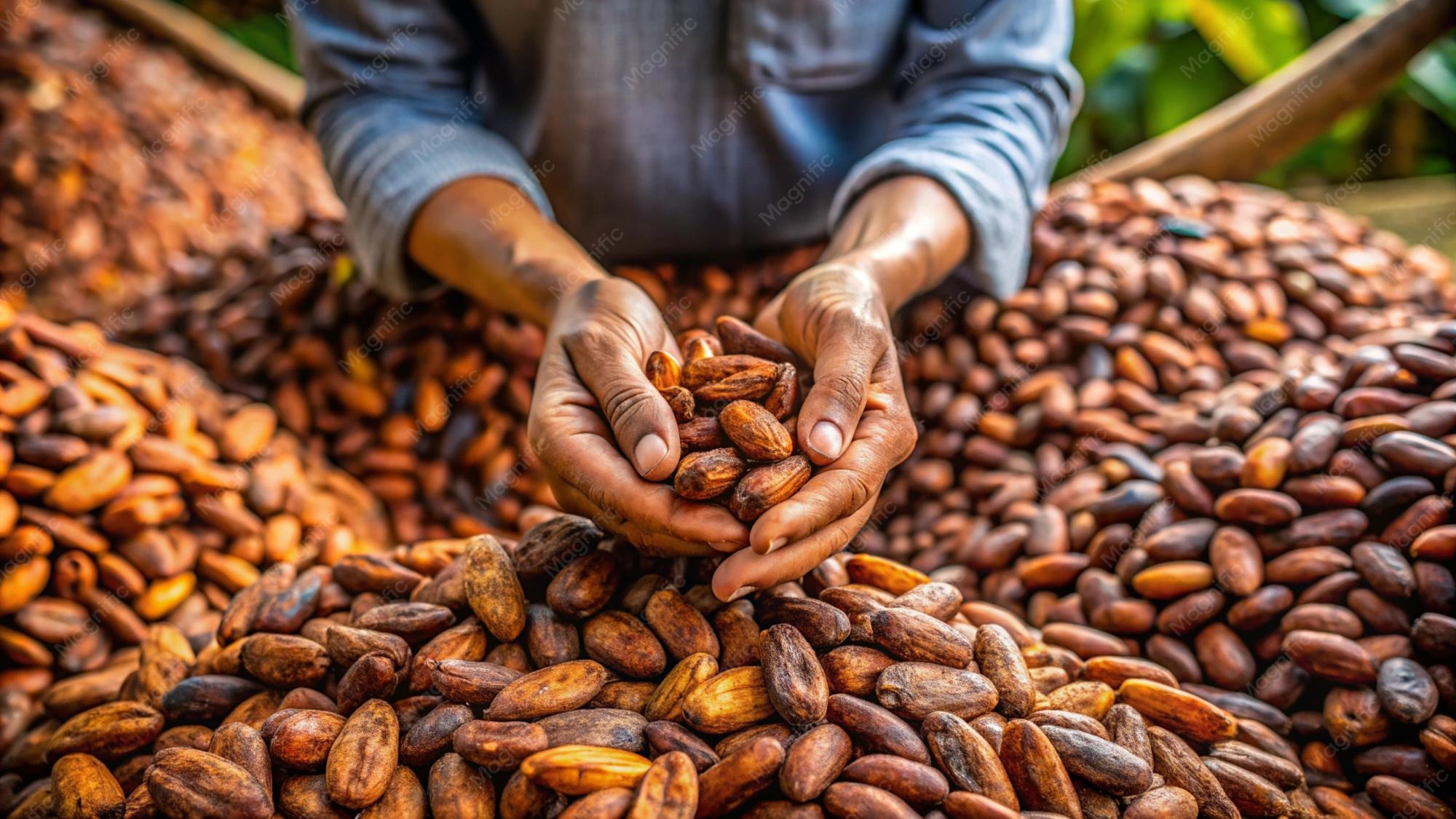
Finding a dependable cocoa source is an important step for chocolate manufacturers, food processors, wholesalers, and international traders. Buying directly from the country of origin can help businesses understand product availability, quality expectations, purchasing requirements, and shipment arrangements. Cameroon is an important cocoa-producing country, offering opportunities for commercial buyers seeking fermented and dried cocoa beans for different processing applications. Before placing an order, buyers should understand how sourcing works, what to check during supplier evaluation, and how to prepare their purchasing requirements. This guide explains the essential steps involved in sourcing cocoa from Cameroon.
Why Should Businesses Source Cocoa Directly from Cameroon?
Sourcing directly from the origin market gives businesses an opportunity to understand where their raw materials come from and how purchasing arrangements are managed. For companies planning regular procurement, establishing a relationship with an origin-based supplier can make communication about availability, product requirements, and shipment planning more straightforward.
When exploring Cocoa beans whole sale opportunities, buyers should consider the following advantages:
-
Origin-based sourcing: Businesses can explore cocoa originating from Cameroon and understand its availability in the market.
-
Commercial purchasing options: Buyers can discuss quantities according to their manufacturing, processing, or trading requirements.
-
Product information: Direct communication helps buyers understand fermentation, drying, packaging, and other relevant product characteristics.
-
Better communication: Working with an established sourcing partner allows businesses to discuss expectations before confirming an order.
-
Shipment coordination: Buyers can review destination requirements, shipping schedules, and export-related arrangements.
For international businesses, understanding the origin and purchasing process is an important part of building a dependable raw-material supply strategy.
What Should Buyers Check Before Placing an Order?
Selecting a suitable cocoa source involves more than comparing prices. Buyers should evaluate the product, supplier communication, available quantities, and commercial conditions before making a purchasing decision.
Here are some important factors to consider:
-
Bean quality: Check the appearance, condition, fermentation, drying, and overall cleanliness of the beans. Look for visible signs of mold, insect damage, excessive broken beans, or foreign matter.
-
Moisture condition: Moisture management is important for maintaining product condition during storage and transportation. Buyers should request relevant quality information before ordering.
-
Fermentation process: Proper fermentation contributes to the flavour and aroma characteristics that chocolate manufacturers consider during processing.
-
Packaging requirements: Discuss suitable packaging options to help protect the beans during handling, storage, and international transportation.
-
Order quantity: Confirm whether the available quantity matches your purchasing requirements and expected production schedule.
-
Commercial terms: Review pricing, payment conditions, delivery responsibilities, and other agreed transaction details.
-
Sample evaluation: Where available, request a sample to assess whether the product meets your intended processing requirements.
Businesses looking for Bulk Cocoa beans should pay particular attention to consistency across the quantity being purchased. Evaluating product information and agreeing on quality expectations before confirming an order can help reduce misunderstandings during procurement.
How Does the Direct Buying Process Work?
Purchasing from an origin-based supplier generally involves several steps. Understanding these stages helps buyers prepare their requirements and communicate more effectively throughout the transaction.
Step 1: Identify your purchasing needs
Determine the quantity required, intended application, preferred quality characteristics, packaging expectations, and destination country. Having these details ready makes supplier discussions more productive.
Step 2: Find a suitable sourcing partner
Research suppliers and exporters that work with Cameroon-origin cocoa. Review their business information, communication practices, product details, and ability to discuss commercial requirements.
Step 3: Discuss product availability
Contact the supplier to understand available quantities, product condition, packaging options, and expected shipment arrangements. Availability should be confirmed before making purchasing commitments.
Step 4: Evaluate product samples
If samples are available, assess the beans for appearance, aroma, physical condition, fermentation characteristics, and suitability for your intended use.
Step 5: Confirm commercial requirements
Discuss the agreed quantity, price, payment terms, delivery responsibilities, and quality expectations. Ensure that the final agreement clearly reflects the requirements of both parties.
Step 6: Coordinate export and shipment
Once the transaction details are agreed upon, coordinate the necessary export processes, shipping arrangements, and destination-related requirements.A structured process helps international buyers understand each stage and make purchasing decisions with greater confidence.
What Should International Buyers Know About Cocoa Exports?
Working with a Cameroon Cocoa exporter can help international businesses explore origin-based sourcing opportunities and understand the requirements involved in purchasing cocoa for overseas markets. Export transactions may involve product verification, packaging decisions, commercial agreements, transport planning, and destination-specific import requirements. Buyers should also clarify applicable trade terms, responsibilities, and required paperwork before shipment. Maintaining clear communication throughout the process helps both parties understand their obligations and avoid unnecessary delays. A reliable sourcing relationship should be built on transparent discussions, confirmed product details, and realistic delivery expectations.
Discuss Your Cocoa Supply Needs with Makay Global Trading
Finding a suitable cocoa sourcing partner is important for businesses planning reliable raw material procurement. Makay Global Trading connects commercial buyers with fermented and dried cocoa beans sourced from Cameroon. The company works with chocolate manufacturers, food processors, wholesalers, and international traders to understand their purchasing requirements. Buyers can discuss available quantities, product quality expectations, sample requests, packaging options, and shipment preferences based on their business needs. Share your required volume, destination port, preferred specifications, and expected delivery timeline to explore suitable sourcing opportunities.
Website: https://makayglobaltrading.com/
Contact: +1 800-965-8307
Frequently Asked Questions About Buying Cocoa Beans
Q1. Can businesses purchase cocoa directly from Cameroon?
Yes. International businesses can explore direct sourcing through suppliers and exporters working with Cameroon-origin cocoa. Buyers should confirm availability, product requirements, and commercial terms before placing an order.
Q2. What information should I provide when requesting a quotation?
Share your required quantity, destination port, preferred quality characteristics, packaging expectations, and estimated delivery schedule. These details help suppliers understand your purchasing needs.
Q3. How can buyers evaluate cocoa quality before purchasing?
Buyers should review product information, physical condition, fermentation, moisture, cleanliness, and packaging. Requesting samples, where available, can also help assess suitability.
Q4. What documents are generally required for importing cocoa beans?
Requirements depend on the exporting country, destination market, and applicable trade regulations. Buyers should confirm relevant commercial, shipping, customs, and product-related documents with their logistics and import professionals.
Q5. Can manufacturers and wholesalers discuss large-volume orders?
Yes. Commercial buyers can discuss their required quantities, product expectations, and shipment preferences with suitable suppliers. Final order quantities depend on confirmed availability and mutually agreed terms.
Makay Global Trading
Makay Global Trading supplies premium raw cocoa beans to manufacturers, traders and wholesalers across the USA. We source fermented, sun-dried beans, check every lot for...
View Profile & Articles