Resilience Strategies in Coastal Cities: A Case Study of Rotterdam
Exploring the innovative resilience strategies adopted by Rotterdam to safeguard its coastal infrastructure and urban development from rising sea levels and climate change.
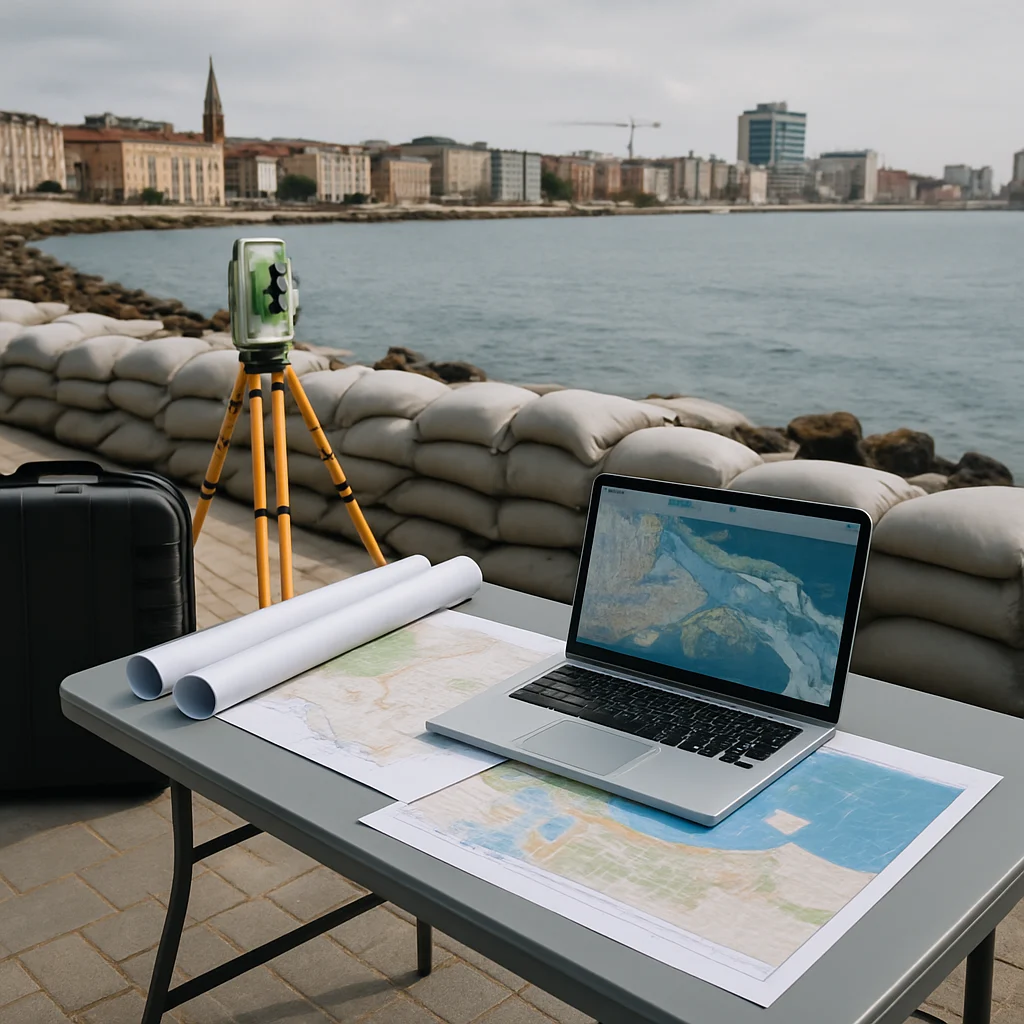
As climate change poses significant threats to coastal urban areas, cities are increasingly focused on developing resilience strategies to protect their infrastructure and inhabitants. This case study examines Rotterdam, a major European port city that has taken innovative and proactive steps to enhance its resilience against rising sea levels and extreme weather events.
Context
Rotterdam is located in the Netherlands, a country where approximately one-third of the land lies below sea level. The city's unique geographic position makes it particularly vulnerable to flooding and the impacts of climate change. With a population exceeding 600,000 and extensive industrial and commercial infrastructure, the stakes are high. The city has historically dealt with water management issues but has adopted a forward-thinking approach to future-proof its landscape.
Constraints
The journey toward greater resilience in Rotterdam faces multiple constraints, including:
- Geographic Vulnerability: As a low-lying coastal city, Rotterdam is at high risk for flooding.
- Economic Considerations: Balancing investment in resilience while maintaining economic growth presents a challenge.
- Stakeholder Engagement: Coordinating among government bodies, businesses, and the public is essential but complex.
- Regulatory Frameworks: Compliance with EU environmental regulations and local planning laws adds layers of complexity.
Solution
In response to these constraints, Rotterdam has implemented a variety of resilience strategies, focusing on both structural and non-structural measures. Key initiatives include:
1. Water Management Innovations
The city has invested heavily in innovative water management solutions. The "Room for the River" program reclaims land from traditional flood defenses and allows rivers to overflow into designated floodplains, reducing pressure on urban areas during extreme weather events.
2. Green Infrastructure
Rotterdam has embraced green roofs, permeable pavements, and parklands as methods to manage stormwater runoff. These installations not only help absorb excess rainwater but also improve urban biodiversity and aesthetic quality.
3. Climate Adaptation Policies
The city has developed comprehensive climate adaptation policies that incorporate resilience into urban planning. This includes integrating climate change projections into land-use decisions and establishing strict building codes to ensure new constructions are flood-resistant.
4. Community Engagement Initiatives
To foster a culture of resilience, Rotterdam has prioritized community engagement. Educational campaigns inform residents about climate risks and encourage participation in local resilience planning.
Lessons Learned
The case of Rotterdam offers several lessons for engineers, architects, builders, and real estate professionals seeking to enhance coastal resilience in their projects:
- Proactive Planning: Addressing potential risks before they manifest is more cost-effective than reactive measures.
- Collaboration is Key: Engaging all stakeholders, including local communities, ensures more robust and widely accepted strategies.
- Incorporate Nature-based Solutions: Utilizing natural systems for water management can yield multiple benefits beyond just flood protection.
- Policy Frameworks Matter: Having supportive policies and regulations can streamline the process of implementing resilience strategies.
Conclusion
As coastal cities worldwide grapple with the effects of climate change, the resilience strategies adopted by Rotterdam provide a valuable framework for effective urban planning and development. By learning from Rotterdam's proactive measures, professionals in the civil, architectural, and real estate sectors can better prepare for the challenges posed by rising sea levels and extreme weather, ultimately leading to safer and more sustainable coastal communities.