Why Choose a Chemical Packaging Service for Safer Chemical Storage and Transport?
I didn’t really think much about chemical packaging until I had to arrange it myself. Read more on Vision Constructors for practical industry insights.
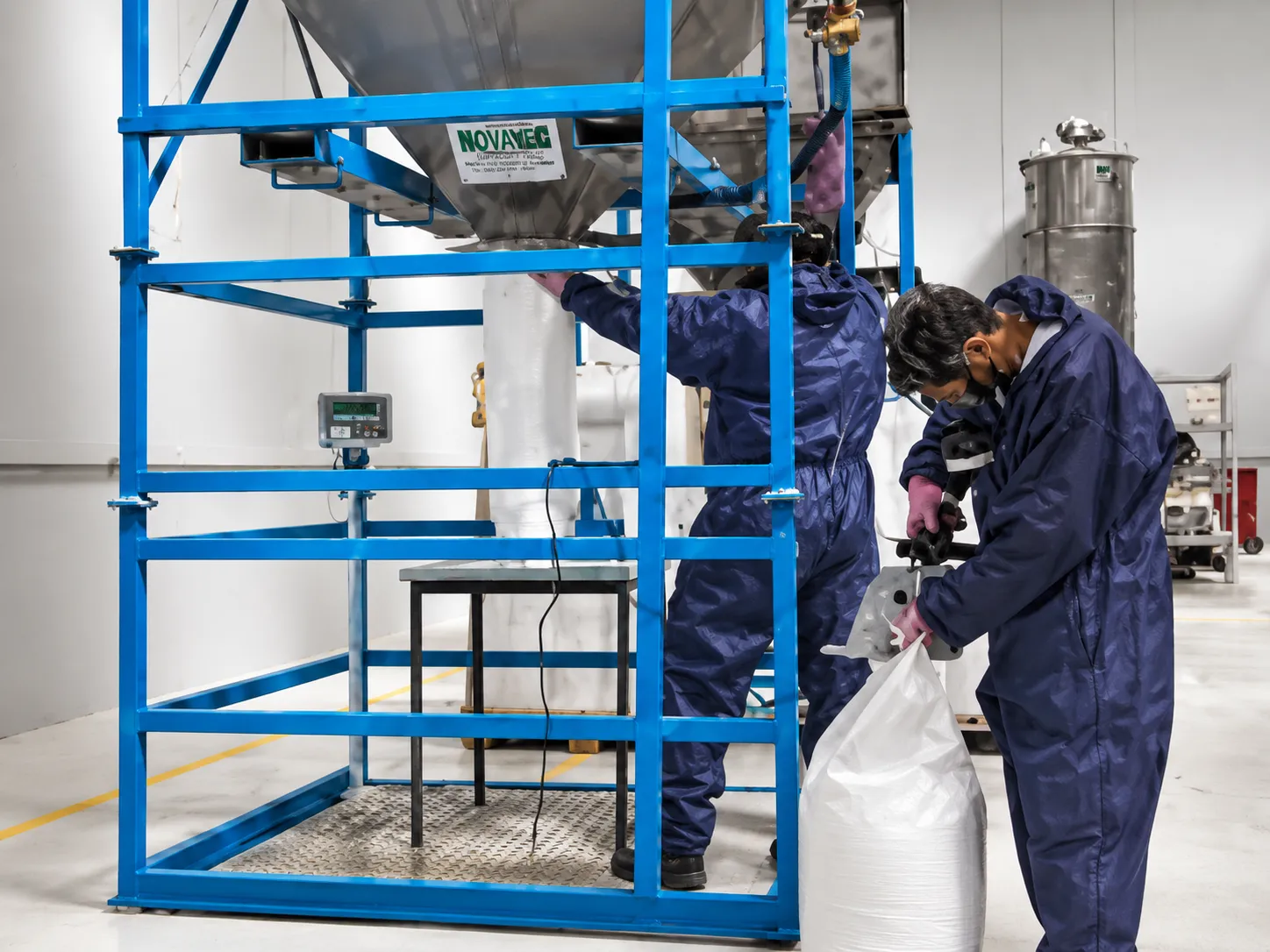
I didn’t really think much about chemical packaging until I had to arrange it myself. I was involved in a project where a quantity of chemical material needed to be processed, packed and prepared for storage and transport. At first, I assumed packaging would be the easy part. Put the product into the right container, seal it, label it, done.
Once I started looking into it, I realised chemical packaging involves quite a few things that I hadn’t considered. The type of material, whether it was a liquid or powder, the packaging itself, handling requirements and even storage conditions could all make a difference. That’s when I started looking for a professional Chemical Packaging Service.
What I Noticed at the Chemical Packaging Facility
The first thing I noticed at the facility was how organised everything was. It wasn’t particularly flashy, and honestly, I expected something more complicated. But the work areas were clean and clearly separated, with different materials being handled in different sections.
The people were another thing I noticed. They didn’t seem rushed. Before anything was packed, they asked questions about the product, quantity and required packaging. That gave me some confidence because chemical handling isn’t really something where you want people guessing.
I also saw that the facility could deal with different requirements, including:
- Liquid and powder chemical packing
- Chemical repacking and relabelling
- Powder blending and preparation
- Chemical sieving and filtering
- Dangerous goods handling
- Chemical storage solutions
Seeing all of this happening in one place made the process seem much more practical than I had imagined.
The Chemical Packaging and Processing Process I Experienced
The actual process was fairly straightforward from my side. We discussed the material, the required quantity and how it needed to be packed. The team then looked at the most suitable packaging and handling approach.
What surprised me was how connected packaging was to the earlier processing stages. If a powder needed chemical crushing, sieving or blending, that could affect how it was eventually packed. Similarly, liquids had their own packing considerations.
It made me realise that packaging isn’t really an isolated final step. It sits somewhere in the middle of the whole chemical processing operation.
There was also some discussion around chemical storage and transport requirements, especially because certain materials need additional care when being moved or stored.
Why Choose Professional Chemical Packaging Services?
For me, the biggest reason was simple: I didn’t want to take chances with something I wasn’t experienced in.
A professional facility already has the equipment, workspace and procedures needed for chemical handling. It also means businesses don’t necessarily have to create their own dedicated packaging area or purchase specialised equipment for a single project.
I found this especially useful when comparing chemical toll manufacturing Australia options. Some facilities can handle packaging alongside processing, which makes things much easier when the project involves several stages.
Actual Benefits of Chemical Packaging for Industrial Projects
After seeing the process, I understood why businesses use professional packaging services instead of handling everything internally.
The main benefits I noticed were:
- More consistent and organised chemical packing
- Suitable options for both liquids and powders
- Reduced handling and storage complications
- Access to experienced chemical processing staff
- Better support for dangerous goods handling
- Less need for investment in specialist equipment
It also made the project feel less fragmented. Instead of dealing with one company for processing and another for packing, there was the possibility of having several stages handled together.
Chemical Repacking, Powder Blending and Specialist Manufacturing
Another interesting part was seeing how chemical repacking connected with other manufacturing services. Depending on the material, businesses may also require powder blending, chemical sieving and filtering, or even paste and putty manufacturing.
I came across Chemical Solutions while researching these services, and it helped me understand just how broad contract chemical manufacturing can be in Australia.
One small detail I liked at the facility was the attention given to labels and containers. It sounds minor, but the team checked everything carefully before the material moved to the next stage. Those little checks probably prevent a lot of bigger problems later.
Final Thoughts on My Chemical Packaging Experience
Looking back, I’m glad I didn’t try to handle the packaging side completely on my own. What seemed like a simple job turned out to involve storage, handling, processing, packaging and safety considerations.
The experience gave me a much better understanding of why businesses use professional chemical packaging services alongside contract chemical manufacturing. Whether the requirement involves liquid and powder packing, chemical repacking, blending, filtering or dangerous goods handling, having the right facilities makes the whole process easier to manage.
For me, the biggest takeaway was that good chemical packaging is not just about putting a product into a container. It’s about making sure the material is handled properly from processing through to storage and its final destination.
Chemical Solution
Chemical Solutions is trusted chemical wholesaler, offering services including chemical packaging, manufacturing, crushing and more. We are a leading provider of toll man...
View Profile & Articles