How Sonic Foundation Methods Are Reshaping Underground Construction in 2025
Sonic foundation methods are reshaping underground construction with drilling speeds that are 3-5 times faster than conventional techniques. Sound waves strengthen the soil in this innovative appro
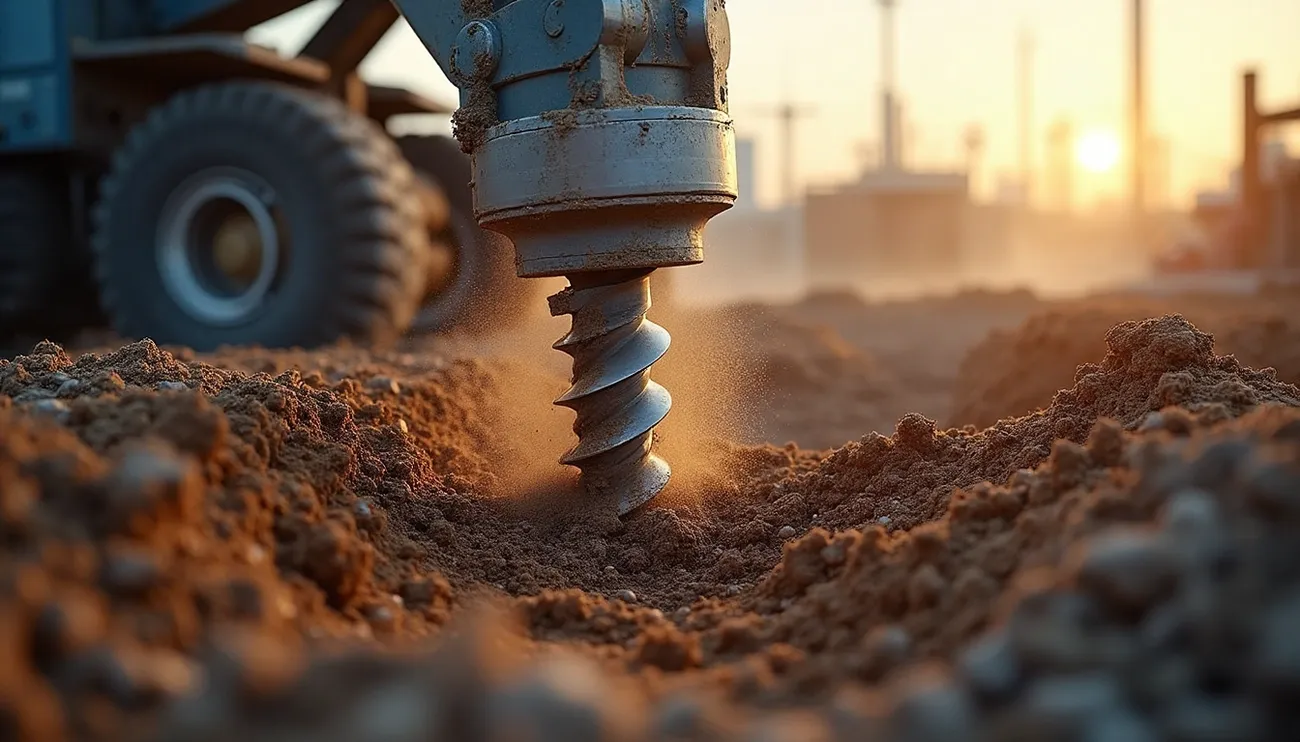
Sonic foundation methods are reshaping underground construction with drilling speeds that are 3-5 times faster than conventional techniques. Sound waves strengthen the soil in this innovative approach, making it a game-changer in geotechnical engineering. The process produces up to 80% less waste compared to traditional methods, which changes how construction teams excavate foundation pits.
The technology has grown into a versatile platform that installs instrumentation, foundation relief wells, and tiebacks in challenging formations. Sonic drilling's exceptional capabilities allow it to cut through the most difficult subsurface materials, including urban fill with thick steel and other mixed materials. The process creates about 60-70% less waste than hollow stem auger methods while providing safer, more stable, and cleaner operations.
This piece will show you how sonic foundation technology works and its mechanics in underground construction. You'll learn about its real-life applications in infrastructure projects and understand its benefits and limitations in 2025 construction environments. This technology stands unmatched in today's construction industry.
 Image Source: The Driller
Sonic foundation technology has revolutionized our approach to underground construction. This groundbreaking drilling method uses high-frequency resonant energy that penetrates subsurface formations quickly and effectively.
Image Source: The Driller
Sonic foundation technology has revolutionized our approach to underground construction. This groundbreaking drilling method uses high-frequency resonant energy that penetrates subsurface formations quickly and effectively.
 Image Source: ScienceDirect.com
Sonic drilling's exceptional performance in underground construction projects stems from its unique mechanical principles. These mechanics explain why sonic foundation methods play a vital role in modern geotechnical applications.
Image Source: ScienceDirect.com
Sonic drilling's exceptional performance in underground construction projects stems from its unique mechanical principles. These mechanics explain why sonic foundation methods play a vital role in modern geotechnical applications.
Sonic Foundation Basics and 2025 Advancements
Image Source: The Driller
Sonic foundation technology has revolutionized our approach to underground construction. This groundbreaking drilling method uses high-frequency resonant energy that penetrates subsurface formations quickly and effectively.
What is Sonic Foundation Technology?
Sonic foundation technology's heart lies in its specialized sonic head that generates resonant energy to push drilling equipment into the ground. The system relies on two counter-rotating weights (eccentrics) that create controlled vibrations between 50 to 150 Hz. These vibrations flow down the drill string to the bit face and create a fluidized boundary layer around the drill string that significantly cuts down friction. The combination of vibration and rotation helps the drill cut through soil types of all kinds with remarkable speed.How Sonic Drilling is Different from Traditional Methods
Sonic drilling stands out from regular drilling methods in several ways:- Superior Speed: The process works 3-5 times faster than conventional drilling methods in most soil conditions.
- Minimal Waste Generation: It cuts down investigative derived waste (IDW) by up to 80% compared to traditional methods.
- Sample Quality: The technology delivers nearly continuous, undisturbed core samples with exceptional accuracy—less than 1% deviation from the planned hole profile.
- Versatility: It excels in tough conditions and can drill through cobbles, boulders, hard layers, and heaving sands without stopping.
Recent Innovations in Sonic Head Design (2025)
The equipment has come a long way, especially in head design. Today's systems feature advanced pneumatic isolation systems that stop resonant energy from reaching the drill rig and direct it down the drill string instead. This improvement gives drillers precise control over the resonant energy to match specific formation types and maximize drilling productivity. The latest advances have also improved how core barrel and casing systems work together, which means better penetration through mixed soil conditions. The technology now works with tooling sizes from 4.75 inches to 12 inches, offering more options for different project needs.Mechanics of Sonic Drilling in Underground Construction
Image Source: ScienceDirect.com
Sonic drilling's exceptional performance in underground construction projects stems from its unique mechanical principles. These mechanics explain why sonic foundation methods play a vital role in modern geotechnical applications.
Resonant Frequency Range: 50–150 Hz
Sonic drilling technology relies on its resonant frequency system. The sonic head contains two counter-rotating weights (eccentrics) that generate mechanical vibrations between 50 and 150 Hz. These vibrations match the drill string's natural resonant frequency and create a resonance effect that maximizes energy transfer to the drill bit. The system achieves optimal drilling efficiency when sonic energy matches the drill string's natural frequency. Drillers can adjust these frequencies to suit specific formation types and customize their approach based on soil conditions.Core Barrel and Casing Synchronization
A methodical process in sonic drilling will give a stable borehole. The original step involves advancing a core barrel into the ground using sonic energy without drilling fluids. The next step drives an outer casing over the core barrel to stabilize the borehole and prevent collapse in loose formations. Once the casing is secure, crews retrieve the core barrel to obtain almost undisturbed samples with recovery rates approaching 100%. This seamless operation between core barrel and casing creates a clean drilling process that reaches desired depths.Friction Reduction via Vibration and Rotation
Sonic drilling's friction-reduction mechanism stands out as its most impressive feature. Strong vibrations create a fluidized zone about 5 millimeters around the drill rod. The soil in this thin boundary layer acts like a fluid and reduces friction between the drill string and surrounding material. The combination of vibration and rotation (up to 90 rpm) distributes energy evenly at the bit face. This unique approach helps sonic drilling achieve penetration rates 3-5 times faster than traditional methods in most soil conditions.Tooling Sizes: 4.75 in to 12 in Casing Systems
Sonic drilling systems provide versatility through multiple tooling options. Current equipment works with casing diameters from 4.75 inches to 12 inches. Available sizes include 4.75", 6", 7", 8", 9.25", 10.5", and 12" casings, each engineered with specific outside diameter, inside diameter, and wall thickness specifications. Contractors can choose the best tooling configurations to install monitoring wells, collect soil samples, or create foundation elements.Real-World Applications in Infrastructure Projects
Sonic foundation methods have proven their value in complex infrastructure projects where regular techniques don't measure up. These technologies offer solutions that people once thought were impossible.Dam Foundation Relief Wells with No-Fluid Drilling
The U.S. Army Corps of Engineers now uses sonic drilling for dam safety projects where standard methods might harm structural integrity. To name just one example, the team picked sonic drilling instead of pile-driving and rotary methods to install 37 relief wells below a lock chamber floor. This solution tackled several big challenges. The team avoided fluid pressures below the floor that could weaken the structure. They kept boreholes continuously cased to depths of about 40 feet and drilled through thick concrete slabs to install 8-inch wells. Sonic drilling eliminates hydraulic fracturing and erosion risks that water, mud, or air rotary methods might cause, which could lead to dam failure.Tieback Anchor Installations in Urban Shorelines
Hudson River Park in New York City saw sonic technology successfully install 48 tiebacks. Each tieback stretched 117 feet long at 30-degree angles to strengthen a shoreline bulkhead. The work involved drilling 8-inch casing, setting anchors, and grouting as workers removed the casing. The method shines in urban settings because it needs half to one-third the space of regular rigs. On top of that, it creates minimal waste - a vital factor in tight urban shoreline spaces.Angled Leachate Drains in Landfill Projects
Landfill work shows off sonic drilling's accuracy. The technology helps install angled leachate drains right above basal geofabric liners. Drillers use 9.25-inch sonic drill casing and 8-inch core barrel systems to create fully cased insertion borings at low angles with amazing precision—they only deviate by 1-2%. Teams check this accuracy through a gyroscopic borehole deviation survey every 10-15 feet.Seismic Drilling and Freeze Pipe Installations
The Boston Central Artery Tunnel project used sonic drilling to freeze and stabilize excavation faces. Teams installed freeze pipes from rail tracks. The sonic equipment cut through tough urban fill that contained building debris, granite seawalls, and old structures. The equipment moved easily to place pipes among complex track switchgear, while the sonic head broke through obstacles effectively. This method created a stable, completely unsupported face - 80 feet wide by 40 feet high - letting tunnel jacking continue without stopping rail service.Benefits and Limitations in 2025 Construction Environments
Sonic foundation methods provide measurable benefits that make them valuable for 2025 construction projects, despite some limitations. Project teams need to understand this technology's strengths and weaknesses to optimize their planning.3–5x Faster Drilling in Mixed Soils
Sonic drilling works at speeds 3-5 times faster than conventional drilling methods across most soil types. The high-frequency vibrations create a fluidization effect along the drill string that reduces friction between the equipment and surrounding soil. These techniques showed speeds that are 10 times faster than traditional methods in ideal conditions. Drilling rates can reach up to 260 feet (80 meters) per day, which reduces project timelines and the need for on-site equipment.80% Less Waste Generation Compared to Auger
The environmental impact stands out as sonic drilling cuts drill spoils and waste by up to 80% compared to conventional drilling methods like auger systems. This reduction happens because sonic drilling needs little or no drilling fluids to work. Teams can drill more meters at lower costs since cleanup is minimal. Lower disposal costs and reduced site remediation needs are direct benefits of having less waste to manage.Minimal Borehole Deviation: <1% in Most Cases
Sonic foundation methods excel at precision with borehole deviations that are typically less than 1% from the planned hole profile. The combination of sonic vibration and drill string rigidity creates straighter, predictable boreholes. This precision holds true even for angled drilling, maintaining the remarkable <1% deviation standard. Projects that need exact placement, such as monitoring wells or foundation elements, benefit greatly from this accuracy.Challenges in Hard Rock and Deep Bedrock Penetration
Sonic drilling comes with some notable limitations:- Hard rock formations are nowhere near suitable
- The cost runs higher than traditional drilling methods
- Only specialized equipment and skilled operators can do the job
- Energy consumption exceeds other drilling methods