The Double-Edged Sword: How Urban Infrastructure Projects Impact Daily Life, Property, and Business
Large-scale urban infrastructure projects are a classic trade-off, bringing short-term disruptions like traffic and noise for long-term gains in property value, economic growth, and quality of life. This article explores both sides of the coin, explaining why these growing pains are a necessary investment in a city's future.
Introduction: The Familiar Disruption of Progress
The sight is familiar to anyone living in a growing city: towering cranes piercing the skyline, bright orange barricades rerouting familiar streets, and the persistent hum of heavy machinery. It’s the visual and auditory landscape of progress. These scenes signal that a city is investing in its future—building new transit lines, upgrading utilities, or revitalizing public spaces. Yet, for those living and working in the midst of it, this progress often feels like a daily assault on their patience and routine.
This article aims to explore both sides of the double-edged sword that is urban infrastructure projects. We will delve into the very real short-term pains they cause while also illuminating the substantial long-term gains that make these disruptions a necessary investment. These complex, multi-year undertakings, often planned and executed by major engineering and professional services firms, are designed to fundamentally improve the fabric of urban life, even if the process is challenging.
The Short-Term Pains: Navigating a City Under Construction
Before we can appreciate the gleaming new subway station or the smoothly paved six-lane road, we must first endure the process of its creation. The immediate, negative impacts of construction are tangible and can affect every aspect of daily life. Acknowledging these frustrations is the first step in understanding the complete picture of infrastructure development effects.
1. Traffic Congestion and Mobility Challenges
Perhaps the most universally felt disruption is the impact on mobility. A single road closure can have a ripple effect across an entire district. Your routine 15-minute commute can suddenly stretch into a 45-minute ordeal, filled with honking horns and gridlocked intersections. This isn't just an inconvenience; it translates to lost time, increased fuel consumption, and heightened stress. Public transportation routes are often rerouted, adding confusion and extra travel time for commuters. Even pedestrians and cyclists find their paths blocked, forcing them onto unfamiliar and sometimes less safe detours. Managing traffic during city construction becomes a city's primary logistical challenge.
2. Noise, Dust, and Environmental Concerns
Living or working near a major construction site means being subjected to a constant sensory overload. The day often begins with the percussive sound of jackhammers and the deep rumble of excavators. This relentless noise pollution from construction sites can disrupt sleep, interfere with concentration, and contribute to chronic stress. Beyond the noise, there's the dust. Fine particulate matter can blanket cars, seep through windows, and degrade local air quality, posing potential health concerns for residents, especially those with respiratory conditions. For projects that run around the clock, light pollution from powerful work lights can further disrupt the natural rhythms of a neighborhood.
3. Impact on Local Businesses
For small, local businesses, urban construction disruption can be an existential threat. A restaurant that relies on foot traffic can see its customer base evaporate when sidewalks are closed and the storefront is hidden behind plywood walls. A retail shop may lose significant revenue when its dedicated parking spots are eliminated for a staging area. The question of how road construction affects local business is critical; the noise, dust, and general unattractiveness of a construction zone actively deter customers. This period can strain finances to the breaking point, long before the promised benefits of the new infrastructure materialize.
4. Utility Interruptions and Access Issues
Much of the most critical infrastructure is buried beneath our feet. Upgrading it often requires turning it off. Residents may face planned, temporary shutdowns of essential services like water, electricity, or internet as old lines are replaced or rerouted. While usually communicated in advance, these interruptions are nonetheless disruptive, affecting everything from a morning shower to the ability to work from home. Access to driveways, building entrances, and loading docks can also be intermittently blocked, creating daily logistical headaches for homeowners and businesses alike.
The Long-Term Gains: Why Cities Endure the Disruption
If the short-term impacts are so significant, why do cities willingly put their citizens through them? The answer lies in the transformative, long-term benefits of infrastructure projects. These gains are not just about convenience; they are about fostering economic vitality, improving quality of life, and building a more resilient and sustainable urban environment for future generations.
1. Enhanced Mobility and Connectivity
The most direct outcome of transportation projects is a dramatic improvement in how people move through the city. That new metro line that caused years of disruption can slash commute times from an hour to 20 minutes, giving residents back precious time. Widened highways and intelligently designed interchanges can alleviate chronic bottlenecks, reducing overall traffic congestion. New bridges can connect previously isolated neighborhoods, opening up new social and economic opportunities. The long-term result is a more efficient, less stressful, and better-connected city for everyone.
2. Economic Growth and Job Creation
Urban infrastructure projects are powerful economic engines. The initial investment creates thousands of direct jobs in construction, engineering, and project management. This has a cascading effect, supporting countless indirect jobs in manufacturing, logistics, and material supply. Once completed, the improved infrastructure makes the area more attractive for private investment. Businesses are more likely to relocate to areas with efficient transportation and modern utilities, leading to sustained job growth and an expanded tax base that can fund other public services like parks, schools, and libraries.
3. Increased Property Values and Urban Renewal
For property owners, this is one of the most significant benefits. Infrastructure projects and property values are strongly linked. A home located within walking distance of a new transit station can see its value increase substantially—a phenomenon often called a "transit premium." Studies have shown this increase can range from 10% to over 40% over several years. Beyond transit, projects that revitalize public squares, create pedestrian-friendly streets, or upgrade water systems contribute to the overall desirability and health of a neighborhood, leading to urban renewal and appreciating property values for the entire community.
4. Improved Public Utilities and Resilience
Many of the most important infrastructure development effects are invisible. Replacing a century-old water main prevents catastrophic breaks and ensures clean, reliable drinking water. Burying power lines underground makes the electrical grid more resilient to storms, preventing widespread outages. Installing new fiber-optic networks provides the high-speed internet connectivity essential for a modern economy. These upgrades are not glamorous, but they are fundamental to a city's ability to function smoothly and withstand future challenges, from extreme weather events to population growth.
Balancing the Scales: How Planners Mitigate Construction Impact
Recognizing the severity of urban construction disruption, civil engineers and city planners employ a range of strategies to minimize the negative impacts on residents and businesses. The goal is to balance the needs of the project with the well-being of the community. Common mitigation strategies include:
- Phased Construction: Rather than tearing up an entire corridor at once, projects are often broken into smaller, manageable segments. This approach contains the disruption to a limited area at any given time, allowing other parts of the neighborhood to function more normally.
- Community Outreach: Proactive and transparent communication is key. This involves holding public meetings, sending out regular newsletters, maintaining an updated project website, and providing a dedicated hotline or contact person for concerns. Informing people about what to expect and when to expect it can significantly reduce frustration.
- Night and Weekend Work: To minimize impact on commuters and daytime businesses, the loudest and most disruptive activities are often scheduled during off-peak hours, such as overnight or on weekends. While this can create its own noise issues, it keeps the city's economic arteries flowing during critical business hours.
- Business Support Programs: Many municipalities now offer programs to help businesses survive the construction period. These can range from financial assistance and tax breaks to marketing campaigns that encourage patrons to support local shops, often using slogans like "Pardon our dust, we're open for business!"
- Advanced Traffic Management: Planners use sophisticated modeling to design the most efficient detours. This includes implementing smart traffic signals that adapt to changing flow patterns, ensuring clear signage, and deploying traffic control personnel at key intersections to keep vehicles moving as smoothly as possible.
Case Study: The Transformation of a Neighborhood by a New Transit Line
Consider the fictional but realistic neighborhood of "Oakwood Park," a dense urban area choked by traffic and underserved by public transit. When the city announced a new light rail line would be built through its main commercial street, the reaction was mixed. The promise of a brighter future was overshadowed by the immediate reality of construction.
For three years, Oakwood Park was a chaotic zone of trenches, cranes, and detours. Local businesses, especially cafes and boutiques, saw their revenues plummet. Residents complained endlessly about the noise, the loss of street parking, and the difficulty of simply getting around. Some even sold their homes, convinced the neighborhood was permanently scarred.
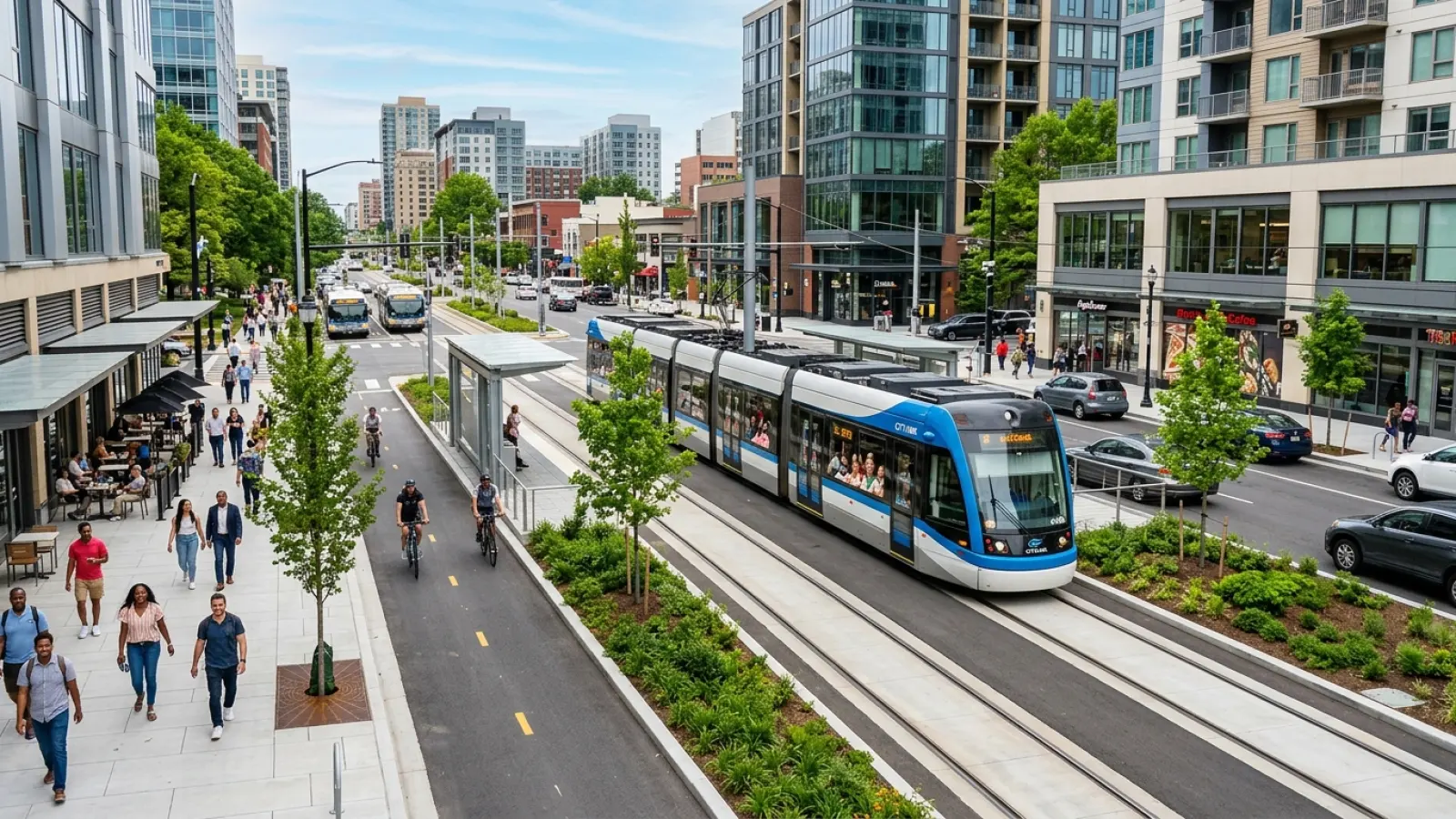
Fast forward to five years after the transit line's completion. The transformation is staggering. The main street is now a vibrant, pedestrian-friendly boulevard with the sleek, quiet light rail gliding down its center. The businesses that weathered the storm are now thriving, joined by a host of new restaurants and shops catering to the increased foot traffic from the new stations. Property values in Oakwood Park have surged by 30%. Residents enjoy a quick, reliable commute downtown, and car dependency has noticeably decreased. The community is more connected, walkable, and prosperous than ever before. The short-term pain, though severe, was the necessary price for a long-term, sustainable revitalization.
Conclusion: Investing in Tomorrow's City Today
Urban infrastructure projects are the ultimate exercise in delayed gratification. They demand a significant sacrifice from the community in the present, testing our patience with traffic, noise, and constant disruption. However, this short-term pain is a direct investment in a more functional, prosperous, and livable future.
By understanding both the immediate challenges and the profound long-term benefits, we can better appreciate the complex trade-offs involved. The cranes and barricades that frustrate us today are building the foundations of tomorrow's city—a city that is better connected, economically stronger, and more resilient for generations to come. Enduring the chaos is our contribution to that shared future.
Frequently Asked Questions (FAQ)
How much can infrastructure projects increase my property value?
The impact varies widely depending on the type of project and the location of your property. Proximity to major new transit infrastructure, like a subway or light rail station, typically has the most significant effect, with studies showing potential value increases of 10% to 40% over time. Other factors include the overall desirability of the neighborhood, the state of the housing market, and the specific improvements made (e.g., a new park versus a sewer upgrade). The largest gains are often seen in the years following project completion as the benefits become fully realized.
Do cities offer compensation to businesses affected by construction?
Sometimes, but it is not guaranteed. Direct financial compensation is rare, but many municipalities have developed business support programs. These can include grants to improve facades, tax breaks for the duration of the project, city-sponsored marketing campaigns to encourage customers to visit the area, and assistance with signage to improve visibility. The availability and type of support depend entirely on the policies of the specific city or agency managing the project.
How can I stay informed about urban infrastructure projects in my area?
Most public agencies are committed to keeping residents informed. The best places to look for information are the municipal or city public works department websites, which often have dedicated pages for major projects. You can also sign up for email newsletters, follow the project's social media accounts, and attend community information meetings. For hyper-local issues, contacting your city council representative's office can also be a valuable source of information.
Are there any health risks associated with living near a major construction site?
There can be potential health considerations. The most common issues are related to air and noise quality. Dust and particulate matter can aggravate respiratory conditions like asthma. You can mitigate this by keeping windows closed during heavy work periods and using an air purifier with a HEPA filter. Chronic noise can contribute to stress and disrupt sleep. Using earplugs or a white noise machine at night can help. Reputable construction firms are required to follow regulations to control dust and monitor noise levels to minimize these risks to the surrounding community.