Understanding Soil-Structure Interaction Analysis in Civil Engineering
This comprehensive guide explores the principles and methodologies behind soil-structure interaction (SSI) analysis in civil engineering, highlighting its importance in ensuring the stability and safety of structures.
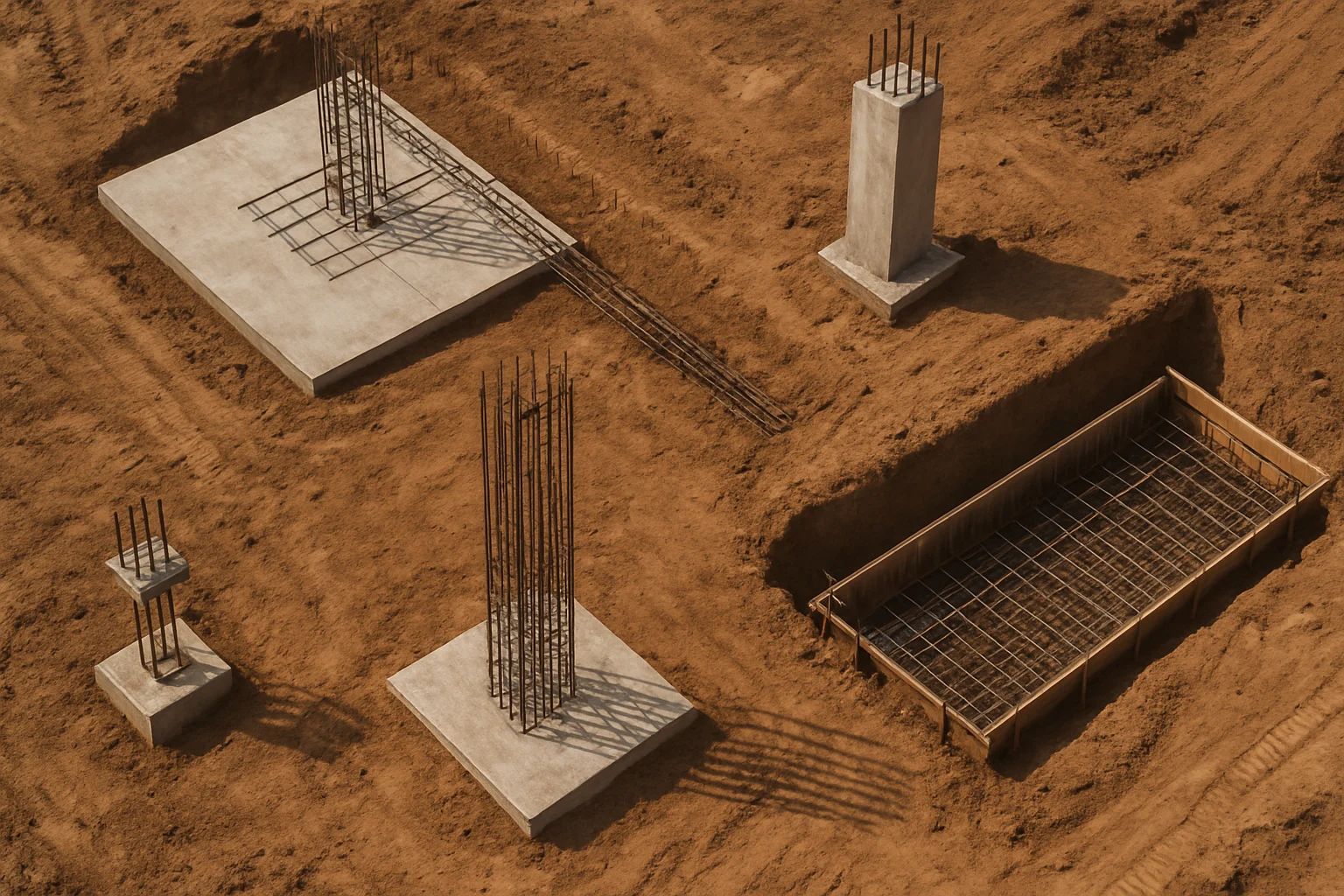
Soil-structure interaction (SSI) is an essential consideration in civil engineering that addresses the complex interplay between soil and structural components. This analysis is crucial for ensuring the safety, functionality, and durability of buildings and other infrastructures. As civil engineering projects become more sophisticated, the need for a thorough understanding of soil behavior and its impact on structures becomes increasingly important.
Introduction to Soil-Structure Interaction
Soil-structure interaction involves the examination of how structures behave in response to various soil conditions. This analysis is critical for understanding how external loads, such as seismic activity, wind forces, and static loads, influence both the soil and the structure. The interaction can significantly affect the performance of a structure, making it imperative to incorporate SSI principles during the design phase.
The Importance of Soil-Structure Interaction
- Structural Safety: Analyzing SSI helps prevent failures by ensuring that the design can withstand various loads.
- Cost Efficiency: Anticipating interaction effects can lead to more effective use of materials and better project budgets.
- Regulatory Compliance: Many jurisdictions require SSI analyses as part of the design and permitting processes.
- Environmental Considerations: Understanding how soil interacts with structures can minimize ecological impact.
Methods of Soil-Structure Interaction Analysis
There are several methods available to analyze soil-structure interactions, which can be broadly classified into two categories: analytical methods and numerical methods.
Analytical Methods
Analytical methods involve mathematical modeling to assess the interactions. Some commonly used models include:
- Spring Mass Model: This approach simplifies the soil as a series of springs, making it easier to evaluate the stiffness and damping properties.
- Beam on Elastic Foundation: This technique models the structure as a beam resting on an elastic medium, allowing for linear analysis of the interaction.
Numerical Methods
Numerical methods utilize computational techniques to solve complex SSI problems. The most prevalent numerical approaches include:
- Finite Element Method (FEM): FEM is widely used for its ability to simulate complicated geometries and non-linear behaviors.
- Finite Difference Method (FDM): This method approximates solutions by discretizing the differential equations governing soil and structure behavior.
- Boundary Element Method (BEM): BEM is particularly useful for problems involving infinite or semi-infinite domains, common in soil mechanics.

Key Parameters in Soil-Structure Interaction
Several parameters must be considered in SSI analysis to accurately predict how structures will respond to various loads:
- Soil Properties: Characteristics such as cohesion, friction angle, and compressibility play a significant role in interaction analysis.
- Foundation Type: Whether a shallow or deep foundation is used can significantly influence the overall behavior of the structure.
- Load Types: The nature of loads, including dynamic and static loads, must be thoroughly analyzed to understand their impact on both soil and structure.
- Construction Techniques: Different construction methods can lead to varying degrees of disturbance in the soil, influencing the interaction process.
Case Studies in Soil-Structure Interaction Analysis
Examining real-world applications of SSI analysis can provide valuable insights into its importance:
Case Study 1: Seismic Analysis
In regions prone to seismic activity, understanding the interaction between soil and structures is vital. A recent study analyzed a high-rise building in an earthquake-prone area, revealing that using traditional design methods without considering SSI could lead to severe structural damage during seismic events. By incorporating SSI analysis, engineers were able to redesign the foundation to better withstand seismic forces, significantly improving the building's resilience.
Case Study 2: Settlement Monitoring
In a bridge construction project, engineers utilized SSI analysis to predict potential settlement issues due to soil consolidation under load. Monitoring early indicators allowed for timely modifications in the design, thereby reducing the risk of settlement-related issues and enhancing the overall safety of the structure.
Best Practices for Conducting Soil-Structure Interaction Analysis
To ensure effective SSI analysis, following best practices can lead to more accurate results:
- Comprehensive Site Investigation: Conduct thorough site investigations to understand local soil conditions and behaviors.
- Use Advanced Modeling Software: Leverage modern SSI analysis software to enhance prediction accuracy and ease of use.
- Collaborate with Geotechnical Engineers: Involve geotechnical specialists in the analysis process to incorporate their insights into soil behavior.
- Regularly Update Models: As construction progresses, continuously update SSI models based on new data and observations.
Conclusion
Soil-structure interaction analysis is a critical component of civil engineering that requires a deep understanding of both soil behavior and structural performance. By employing robust analytical and numerical methods, engineers can create safer, more efficient structures that stand the test of time. Continuous advancements in technology and methodologies will enhance the practice of SSI analysis, ultimately contributing to the safety and sustainability of civil engineering projects worldwide.