Heavy Equipment Financing for Contractors: Costs, Options and Payment Planning
A practical guide to financing excavators, loaders and other heavy machinery, covering asset-backed financing, monthly payment calculations, equipment loans, leasing and cost management for construction businesses.
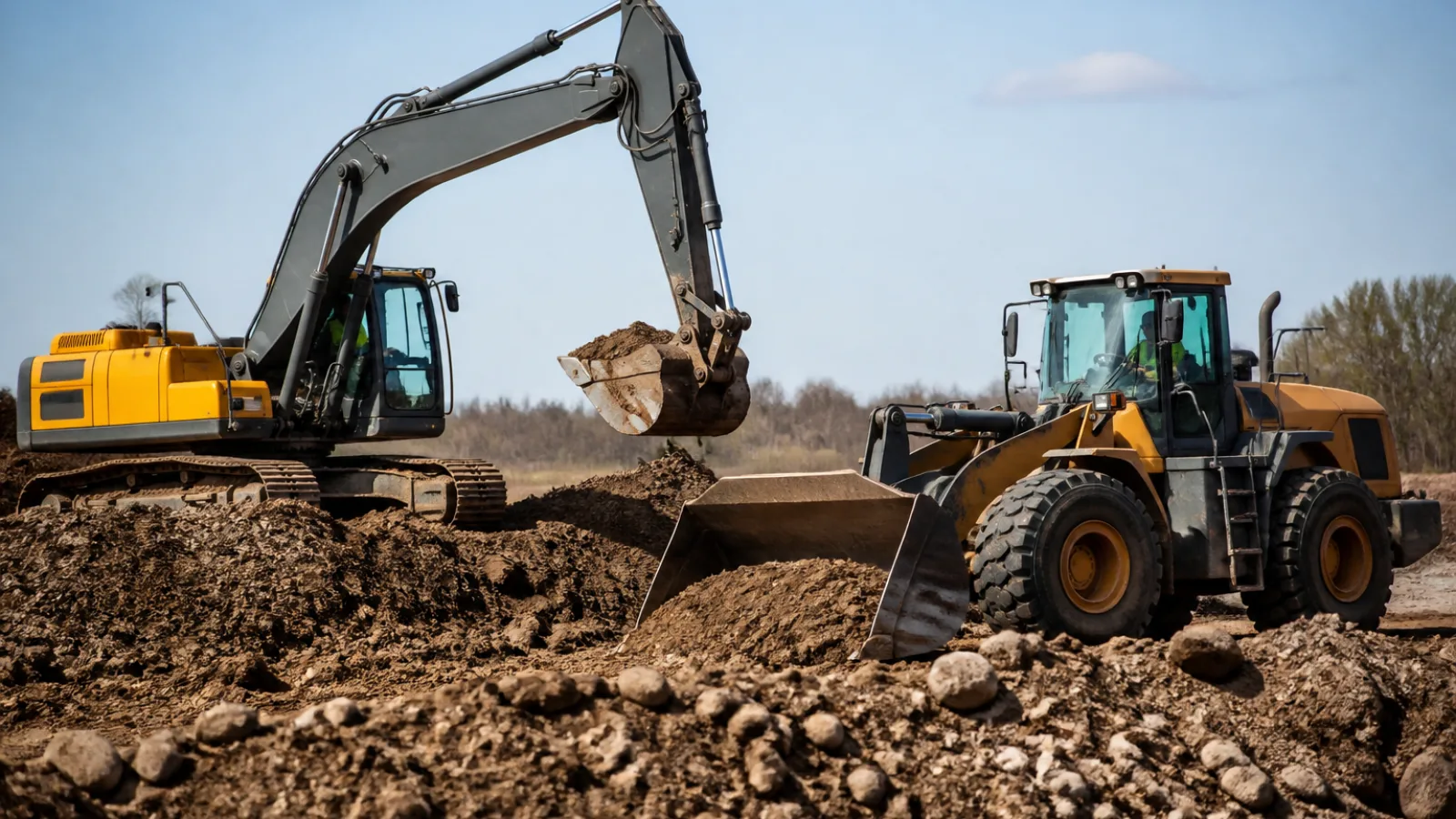
Construction companies depend on excavators, wheel loaders, bulldozers, cranes and other high-value machines to complete work safely and on schedule. Because a single equipment purchase can commit substantial capital, contractors need a financing plan that reflects project revenue, utilization and operating costs. Providers such as Thirty3 Capital offer tailored heavy construction equipment financing for businesses evaluating new or used machinery, equipment loans, leasing arrangements and payment planning tools.
The right structure is not determined by the lowest advertised monthly payment alone. A contractor must consider the machine’s expected productive life, likely resale value, seasonal workloads, maintenance exposure and the timing of customer payments. Sound planning connects the financing obligation to the work the equipment is expected to perform.
What Is Heavy Equipment Financing?
Heavy equipment financing allows a contractor to acquire machinery through scheduled payments rather than paying the entire purchase price at once. The arrangement may be structured as a loan, an equipment finance agreement or a lease. Terms typically reflect the equipment cost, down payment, borrower qualifications, repayment period and the lender’s assessment of the asset.
For example, a contractor may finance an excavator for utility trenching, a grader for roadwork, a wheel loader for aggregate handling or a crane for structural projects. The equipment can begin contributing to revenue while the company repays the financing over time. Approval, pricing, collateral requirements and available terms depend on eligibility, documentation and the specific transaction.
Common Financing Solutions for Construction Equipment
Asset-Backed Equipment Financing
In asset-backed financing, the machinery serves as collateral for the transaction. If the borrower cannot meet its obligations, the financing provider may have rights to the equipment under the agreement. This security can make the asset’s condition, age, marketability and estimated value important factors in the financing decision.
Borrower qualifications remain relevant. Financial records, credit history, time in business, existing debt and demonstrated ability to repay may affect the structure. A late-model excavator with strong resale demand may be viewed differently from a specialized or heavily worn machine with limited secondary-market appeal. Contractors should also confirm whether attachments, transportation costs and related accessories are included in the financed amount.
Equipment Finance Agreements
An equipment finance agreement provides a defined repayment schedule for a specific machine. The contractor generally makes regular principal and interest payments and may receive ownership rights after the required obligations are completed, depending on the contract structure. Because the equipment is being acquired for long-term use, this approach can suit a contractor that expects consistent utilization and wants eventual ownership.
Repayment obligations continue even if a project is delayed or the machine is temporarily idle. Contractors should therefore compare the payment schedule with realistic utilization rather than assuming that every available operating hour will be billable.
Equipment Leasing
Leasing gives a contractor the right to use equipment for an agreed period in exchange for scheduled payments. The lease may be based partly on the equipment’s expected residual value at the end of the term. Depending on the arrangement, end-of-term choices may include returning the machine, purchasing it for a stated amount, renewing the lease or replacing it.
Leasing can provide flexibility when equipment technology, emissions requirements or project needs are likely to change. It may also reduce the initial cash requirement compared with an outright purchase. However, contractors should review mileage or usage limits, maintenance responsibilities, early termination provisions, purchase options and the total cost over the full lease period.
Simple Interest Equipment Loans
With a simple interest loan, interest is calculated on the outstanding principal balance rather than on a fixed amount for the entire term. As principal is reduced, the interest portion of later payments generally declines. Early repayment may reduce total interest when the contract permits it and does not impose a prepayment charge.
Payment schedules vary, so contractors should request an amortization breakdown showing principal, interest and the remaining balance. This is more useful than evaluating a monthly figure without understanding how much debt is being retired.
How Thirty3 Capital Supports Equipment Acquisition
Thirty3 Capital is an example of a specialized equipment financing provider serving construction, agriculture and transportation businesses. Its financing scope includes new and used machinery, equipment loans, leasing arrangements and tools intended to help businesses estimate monthly payments.
For a construction contractor, a tailored program may be assessed against the type of machine, purchase price, condition, intended use and business cash flow. Flexible payment structures can be relevant when revenue is seasonal or when a project’s billing cycle does not match a standard monthly pattern. Contractors should still evaluate each proposal carefully, including the total repayment obligation, fees, ownership terms and conditions that apply if circumstances change.
Payment planning tools can help turn a quoted equipment price into a more complete budget. They allow a contractor to test different down payments, terms and estimated rates before deciding whether a machine fits the company’s operating plan. They do not replace a formal offer, credit review or contract analysis.
How to Calculate Monthly Equipment Financing Payments
Monthly payments are shaped by five central inputs: the equipment price, down payment, interest rate, repayment term and financing structure. A larger down payment reduces the amount financed. A longer term generally lowers the scheduled monthly payment but may increase total interest and extend the period during which the contractor remains obligated.
For a standard amortizing loan, a payment calculator can estimate the recurring amount using the financed principal, periodic interest rate and number of payments. A contractor considering heavy equipment financing should test several scenarios rather than relying on a single estimate. The analysis should also include taxes, documentation charges, delivery, insurance and any financed attachments where applicable.
Hypothetical example: Assume a contractor purchases a $150,000 excavator and makes a $30,000 down payment. The estimated amount financed is $120,000. The following comparison is illustrative only and does not represent a lender quotation. It assumes a fixed annual interest rate of 8 percent, monthly payments and no fees or taxes:
- 36 months: approximately $3,760 per month, with about $15,300 in total interest.
- 48 months: approximately $2,930 per month, with about $20,600 in total interest.
- 60 months: approximately $2,433 per month, with about $26,000 in total interest.
The shorter term requires greater monthly capacity but reduces the estimated interest cost and builds equity faster. The longer term eases the scheduled payment but creates a larger total financing expense and may leave the contractor paying for the machine after its most productive years. Actual figures will vary according to the approved rate, fees, payment frequency, residual value and contract terms.
The Real Cost of Owning Financed Construction Machinery
The financing payment is only one component of equipment ownership. A contractor should build a full operating budget that includes:
- Insurance: Coverage may be required by the financing agreement and should reflect the machine’s value and jobsite risks.
- Maintenance and repairs: Scheduled servicing, tires, tracks, hydraulic components and unexpected breakdowns can materially affect annual cost.
- Fuel and fluids: Consumption depends on engine size, workload, idle time, terrain and operator practices.
- Transportation: Lowboy hauling, permits and mobilization costs can reduce the margin on projects requiring frequent relocation.
- Operator costs: Wages, training, certifications and productivity affect the equipment’s actual return.
- Downtime: A machine that is unavailable during a critical project period can create rental costs, schedule delays or lost revenue.
- Depreciation: The equipment may lose value over time, even as the loan balance remains outstanding.
Comparing expected billable utilization with these costs provides a more realistic break-even assessment than dividing the purchase price by a projected number of operating hours.
Financing New vs. Used Heavy Equipment
New equipment typically offers the latest specifications, manufacturer support and a longer remaining service life. It may reduce early repair risk, although the purchase price and initial depreciation can be higher. New machines may also be easier to evaluate for warranty coverage and service documentation.
Used equipment can lower the acquisition cost and may be appropriate when a contractor needs proven machinery for a defined project. The key questions are condition, maintenance history, hour meter reliability, remaining service life and availability of replacement parts. A lower purchase price does not necessarily mean a lower ownership cost if the machine requires major repairs or loses productive time.
Financing eligibility for used equipment can depend on age, condition, model, value and market demand. An independent inspection, service-record review and analysis of comparable resale values can help contractors make a better-informed decision before applying.
Matching Equipment Financing to Construction Project Cash Flow
Construction revenue often arrives in stages through progress payments, retainage releases or milestone billing. A monthly equipment obligation may be due before the related project invoice is collected. Contractors should map expected receipts against payment dates and maintain sufficient working capital for payroll, materials, subcontractors and fuel.
Seasonal businesses may need a larger reserve before winter slowdowns or periods of limited field activity. Where available and suitable, a payment structure that reflects seasonal revenue can be evaluated, but any reduced-payment period should be understood in terms of its effect on total cost and later obligations.
A practical plan includes an emergency reserve for repairs, delayed receivables and short-term equipment replacement. It should also identify what happens if utilization falls below forecast. If the excavator is expected to work 150 hours per month but historical workloads support only 90 hours, the payment should be tested against the lower figure rather than the optimistic forecast.
Choosing Between Purchasing, Financing and Leasing
The best approach depends on liquidity, expected use, ownership goals and the contractor’s tolerance for residual-value risk.
| Approach | Upfront cost | Ownership | Flexibility | Long-term expenses | Suitable use case |
|---|---|---|---|---|---|
| Purchase with cash | Highest immediate outlay | Immediate ownership | High, subject to available capital | No interest, but full depreciation and maintenance exposure | Stable businesses with ample cash and a long-term need |
| Equipment financing | Down payment plus transaction costs | Usually acquired through completed repayment, subject to contract | Moderate; terms are set in the agreement | Interest, maintenance, insurance and depreciation | Contractors seeking ownership while preserving working capital |
| Equipment leasing | Often lower initial cash requirement | Provider retains ownership unless a purchase option is exercised | High for replacement and changing project needs | Lease payments, maintenance terms and possible end-of-term costs | Businesses needing flexibility or shorter equipment cycles |
What Contractors Should Check Before Applying
Before submitting an application, contractors should organize current financial statements, tax records, bank information and details of existing obligations. The financing provider may also need a purchase quotation, equipment specifications, serial number, seller information and inspection or valuation documents, especially for used machinery.
Review creditworthiness and debt-service capacity honestly. List current loans, leases, credit lines and contingent obligations. Confirm whether a personal guarantee, additional collateral, insurance endorsement or minimum operating history is required. Contractors should also understand payment dates, late charges, default provisions, prepayment terms, lien rights and the treatment of attachments or trade-ins.
Common Mistakes When Financing Construction Equipment
- Using unrealistic utilization assumptions: Forecasting full-time work for a machine that will sit idle between projects can distort the repayment analysis.
- Focusing only on the monthly payment: A low payment may result from a longer term, higher total interest or a residual obligation.
- Ignoring maintenance: Preventive servicing and repair reserves should be included from the first month of ownership or use.
- Choosing an unsuitable repayment period: The term should match the equipment’s useful life and expected revenue, not simply the maximum available duration.
- Failing to review contract terms: Prepayment charges, usage limits, insurance requirements and default remedies can materially change the economics.
Frequently Asked Questions
Can contractors finance used excavators?
Yes, used excavators may qualify depending on age, condition, value, model, service history and the borrower’s financial profile. An inspection and complete maintenance records can support the evaluation.
How much down payment is required for construction equipment?
The amount varies by transaction and eligibility. A larger down payment reduces the financed balance and may lower the scheduled payment, but contractors should retain enough cash for working capital and emergencies.
Can the equipment itself serve as collateral?
In many asset-backed arrangements, the financed machine serves as collateral. The agreement should specify the provider’s security interest, insurance requirements and rights if payments are not made.
How are monthly equipment payments determined?
Payments depend on the amount financed, interest rate, repayment term, payment frequency, fees and whether the structure includes a residual or end-of-term amount. A calculator provides an estimate, not a guaranteed offer.
Is a loan or lease better for a contractor?
A loan may suit a contractor seeking eventual ownership and long-term use. A lease may offer flexibility for changing equipment needs or shorter project cycles. The decision should account for total cost, tax treatment, maintenance duties, usage and end-of-term rights.
Conclusion
Heavy machinery can expand a contractor’s capacity, but the purchase must be supported by realistic financial planning. Asset-backed arrangements, equipment finance agreements, simple interest loans and leases each address different ownership and cash-flow priorities. Comparing total cost rather than only the monthly payment helps reveal the practical commitment.
By matching the financing term to equipment life, project receipts and expected utilization, contractors can make better acquisition decisions. Careful review of eligibility, collateral, maintenance, insurance and contract conditions also reduces avoidable surprises. Financing availability, approval and repayment conditions remain dependent on the contractor, the equipment and the specific agreement.