Residential Fencing and Outdoor Construction: A Homeowner's Guide
Thoughtful outdoor construction can improve privacy, security, comfort, and the way a property is used throughout the year. This homeowner’s guide explains how to plan fencing, decks, gates, retaining walls, patio covers, and deer protection in the San Francisco Bay Area.
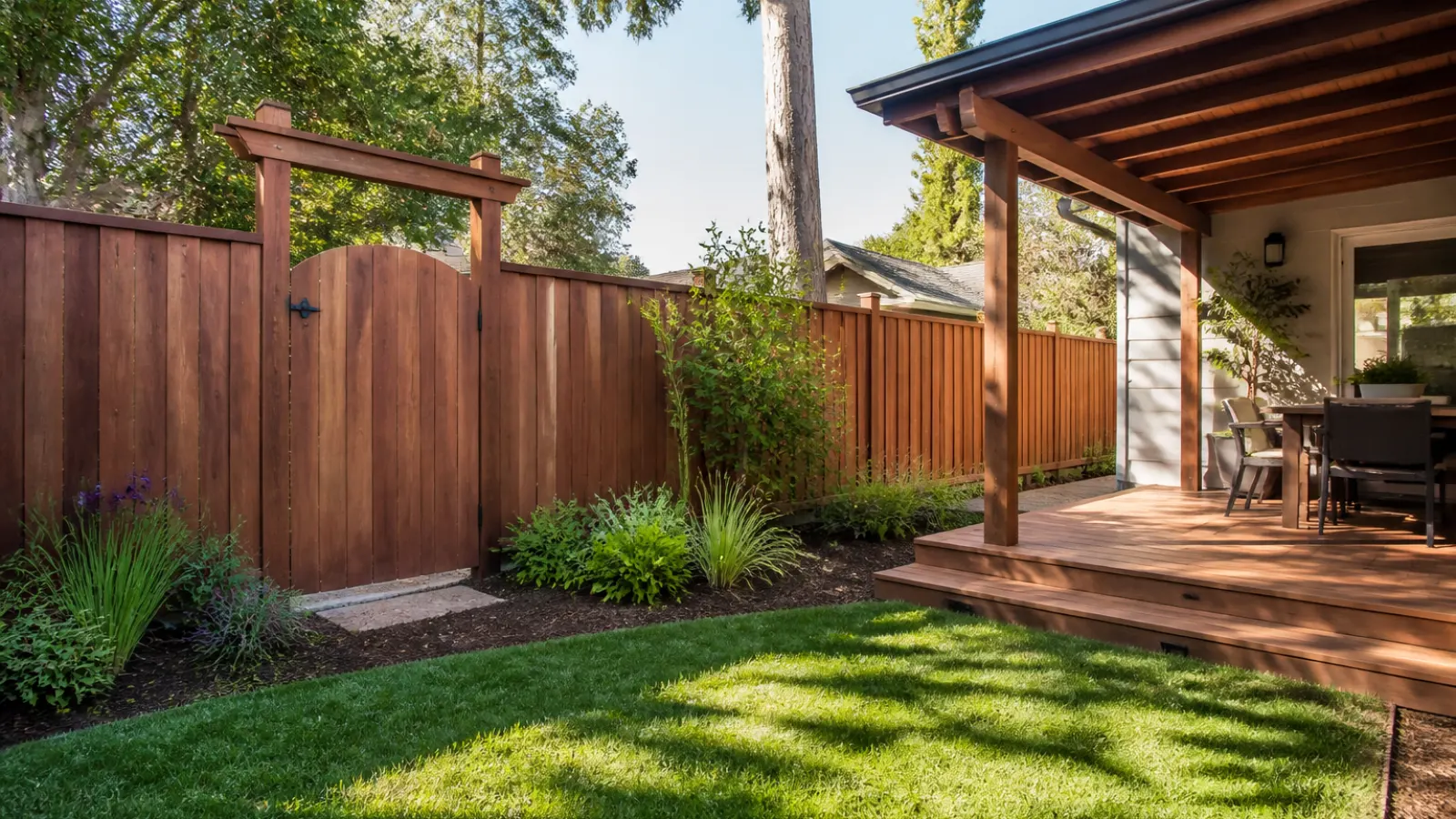
Residential fencing and outdoor construction can transform how a home looks, functions, and feels. The right improvements can add privacy, define property boundaries, protect gardens, improve security, and create more comfortable areas for relaxing or entertaining. A & J Fencing is a family-owned Bay Area contractor serving homeowners since 2000 in San Francisco, Oakland, San Jose, and the Tri-Valley, with services that include custom wood fencing, deer fence panels, redwood decks, retaining walls, gates, ornamental fencing, and patio covers.
Successful outdoor projects begin with more than choosing an attractive material. Homeowners should consider grading, drainage, soil conditions, local weather, maintenance, access, and how each improvement will work with the existing house and landscape. The following guide outlines the main decisions involved.
Why Residential Fencing Matters for Modern Homes
A well-planned fence provides a clear boundary without making a property feel closed in. It can screen windows and patios from nearby homes, help contain children or pets, and make outdoor areas more comfortable for daily use. Fencing can also discourage unwanted access when combined with secure gates and appropriate lighting.
Appearance is another important consideration. Fence height, board orientation, post details, stains, and trim should complement the home’s architecture and landscaping. A carefully designed fence can connect separate areas of a yard, frame a garden, or create a finished edge along a driveway. Before construction, homeowners should confirm property lines rather than relying on an old fence location or visual assumptions.
Choosing the Right Fence for Your Property
Different fence materials solve different problems. Redwood is popular for its warm appearance and suitability for custom privacy designs. Deer fencing is generally lighter and more focused on protecting vegetation than creating a solid visual barrier. Ornamental metal fencing can provide definition and security while preserving views, and aluminum fencing offers a lightweight option with relatively low routine maintenance.
Custom wood-and-metal combinations can balance privacy, durability, and modern style. For example, solid wood panels may be used near living areas while metal sections preserve visibility elsewhere. The best choice depends on the property’s exposure to moisture, sun, wind, and wildlife, as well as the desired level of maintenance and the character of the home. A professional site review can identify practical limits before materials are ordered.
Redwood Privacy Fences: Natural Beauty and Practical Protection
Redwood remains a strong choice for homeowners who want a natural, adaptable fence. Its color and grain work well with gardens and wood-sided homes, while its natural resistance to decay can be useful in outdoor applications when the fence is properly designed and maintained. A redwood privacy fence can be built with overlapping boards, tightly spaced vertical boards, horizontal boards, lattice accents, or decorative top treatments.
Board spacing affects both privacy and ventilation. Tightly fitted boards provide stronger screening, while small controlled gaps allow air and light to pass through. Fence height should reflect the intended privacy level, local conditions, and any applicable restrictions. Posts need suitable foundations, careful alignment, and protection from prolonged contact with wet soil. Gates should be supported independently rather than allowing heavy hardware to pull a fence section out of square.
Maintenance typically includes periodic cleaning, inspection for movement or damage, and the application of a suitable protective finish when appropriate. Redwood can weather naturally to a gray tone, but homeowners who want to retain its original color should follow the finish manufacturer’s preparation and reapplication guidance.
Deer Fencing for Gardens and Landscaped Properties
Deer fencing is designed to protect plants, vegetable beds, orchards, and landscaped areas from browsing and physical access. Systems may use wire mesh, welded panels, posts, or combinations of materials. The required height depends on local deer behavior, terrain, nearby vegetation, and how strongly the animals are motivated to enter the enclosed area. In many settings, taller fencing is more effective than a low decorative barrier.
Post spacing should be selected to keep the mesh stable and prevent sagging, especially on slopes or along long runs. Visibility also matters. Dark, fine mesh may blend into a landscape, while more visible materials can help people recognize the boundary. Properly placed gates are essential for garden access, and their latches should be convenient for homeowners while remaining secure against wildlife.
Design should reflect local wildlife conditions and any applicable regulations, neighborhood rules, or easement limitations. A fence that protects one garden may not be suitable for a large, irregular property, so site-specific planning is important.
Custom Gates That Combine Security and Design
Gates are among the most frequently used parts of an outdoor improvement project. Pedestrian gates can provide controlled access to side yards and gardens, while driveway gates may need to accommodate vehicles, slopes, drainage paths, and larger operating clearances. The gate style should coordinate with the fence rather than appearing like an unrelated addition.
Hardware selection affects performance. Hinges must be sized for the gate’s weight and use, and posts must be sufficiently stable to prevent sagging or binding. Latches should be positioned at a comfortable height and selected for the desired level of security. Before installation, the contractor should account for ground movement, gate swing, landscaping, and sufficient clearance beneath the gate.
Redwood Deck Construction for Outdoor Living
A residential deck can extend usable living space and create a practical transition between the house and yard. Good deck construction begins with structural framing, properly sized foundations, and connections suited to the site and loads. The deck should be planned around doors, steps, existing utilities, and the natural flow of the property.
Decking materials require consideration of appearance, durability, slip resistance, and maintenance. Ventilation beneath the deck helps reduce trapped moisture, while careful detailing around the house and adequate drainage protect adjacent walls and foundations. Stairs, guardrails, and handrails must be designed for safe use and constructed according to applicable requirements. Regular cleaning, inspections, and protective treatments can help preserve the structure and surface.
Retaining Walls for Sloped Residential Properties
Retaining walls manage elevation differences, create usable planting areas, and help control soil movement on sloped properties. They may be built from treated wood, concrete, masonry, segmental blocks, or other systems selected for the site and appearance. The wall design must account for soil pressure, wall height, surcharge from nearby structures or vehicles, and the condition of the underlying ground.
Drainage is one of the most important parts of retaining wall construction. Water behind a wall can increase pressure and contribute to movement or failure, so designs may include free-draining backfill, perforated drainage pipe, filter fabric, surface grading, and suitable outlets. Taller walls, walls near structures or property lines, and walls on challenging slopes may require an engineering assessment or other professional review. Requirements vary by location and project conditions.
Patio Covers for Comfortable Outdoor Spaces
Patio covers provide shade and can offer protection from light rain, making outdoor areas more useful across changing seasons. Options range from attached roof structures that relate closely to the home to freestanding covers integrated with decks, patios, and garden areas. The roof form, posts, finishes, and trim should complement the existing architecture.
Planning must include roof drainage, attachment points, ventilation, wind exposure, and the relationship between the new structure and existing rooflines. Structural stability is especially important for attached covers, which transfer loads to the house as well as their own foundations. Material choices may include wood, metal, or combinations selected for appearance, maintenance, and local weather conditions.
Planning Outdoor Construction Projects in the San Francisco Bay Area
Bay Area properties vary considerably. Coastal locations may experience persistent moisture and salt-laden air, while inland areas can have stronger sun and greater seasonal temperature changes. Hillside properties introduce additional concerns involving access, grading, soil movement, drainage, and foundation conditions.
Homeowners should investigate property boundaries, easements, neighborhood design considerations, and applicable local building regulations before work begins. Permits may apply depending on the structure, dimensions, location, and jurisdiction, but requirements are not universal. A local contractor can help identify questions for the relevant building department or other authority. Early planning is particularly valuable where a fence, deck, wall, or patio cover is close to a property line or existing structure.
How Professional Contractors Plan Fence and Outdoor Construction
A reliable process usually begins with a site assessment, measurements, and a discussion of how the homeowner intends to use the space. The contractor can then evaluate grades, access, existing structures, drainage, boundary conditions, and material options. A detailed quotation should identify the proposed work, materials, finish expectations, site preparation, and items that may depend on further investigation.
Scheduling should account for material availability, weather, inspections where applicable, and coordination between related tasks. Installation includes careful layout, post and foundation work, framing or panel placement, hardware installation, and cleanup. Final inspection allows the homeowner and contractor to review alignment, operation, drainage, finishes, and any maintenance recommendations. A & J Fencing provides an example of a contractor offering coordinated fencing and outdoor construction services for Bay Area homeowners, including custom woodwork, gates, decks, walls, and patio covers.
Common Mistakes Homeowners Should Avoid
- Choosing the wrong height: A fence that is too low may not provide privacy or wildlife protection, while an oversized design may conflict with the property or local requirements.
- Using inadequate post foundations: Shallow or poorly aligned posts can lead to leaning, movement, and gate problems.
- Ignoring drainage: Water should not collect against fence posts, decks, retaining walls, or the home’s foundation.
- Selecting unsuitable materials: Materials should match the site’s moisture, sun, wind, soil, and maintenance conditions.
- Allowing insufficient gate clearance: Gates need room to swing or roll without striking slopes, plants, vehicles, or future landscaping.
- Neglecting maintenance: Small cracks, loose connections, early rot, and finish failure are easier to address when discovered promptly.
Maintaining Fences, Decks and Outdoor Structures
Homeowners should inspect outdoor structures at least periodically and after unusually wet or windy weather. Look for loose boards, leaning posts, rusted or damaged hardware, cracked coatings, soft wood, separated joints, and signs of standing water. Deck connections, stair components, guardrails, and patio cover attachments deserve particular attention.
Cleaning methods should suit the material and finish. Protective coatings may need renewal based on exposure and product instructions rather than a fixed schedule. Keep soil and mulch from remaining against wood, maintain drainage paths, and trim vegetation that traps moisture. Damaged components should be repaired or replaced before they affect adjacent sections or create a safety issue.
Frequently Asked Questions
Is redwood a good material for privacy fencing?
Redwood is a practical option for many privacy fences because it offers a natural appearance, can be customized into numerous styles, and has natural decay resistance. Its performance depends on sound construction, proper ground clearance, drainage, and ongoing maintenance.
What should homeowners consider when installing deer fencing?
Consider deer behavior, fence height, mesh visibility, post spacing, terrain, gate access, nearby plants, and local regulations. The design should protect the intended area without creating avoidable access or maintenance problems.
Do retaining walls require professional engineering?
Not every retaining wall requires engineering, but height, soil conditions, drainage, proximity to buildings or property lines, and local rules can make professional review appropriate or necessary. Requirements vary by jurisdiction and project conditions.
How can homeowners extend the lifespan of outdoor wood structures?
Use suitable materials and fasteners, keep water moving away from the structure, maintain ventilation, inspect connections, clean surfaces appropriately, and renew protective finishes when needed. Promptly replace damaged or decayed components.
What should be included in a fencing contractor's estimate?
An estimate should describe measurements, layout, materials, post and foundation details, gates and hardware, finishes, demolition or disposal, site preparation, drainage work, scheduling assumptions, and any exclusions or permit-related responsibilities.
Conclusion
Residential fencing and outdoor construction work best when appearance and structure are considered together. The right materials, accurate site planning, effective drainage, stable foundations, thoughtful gate design, and appropriate maintenance can make fences, decks, retaining walls, patio covers, and garden protections more useful and durable. For homeowners in San Francisco, Oakland, San Jose, the Tri-Valley, and surrounding communities, working with an experienced contractor can help turn a broad outdoor vision into a practical project suited to the property.