How Construction Equipment Fleets in the GCC Can Reduce Downtime During Extreme Heat
By noon, the mercury is pushing past 45°C, and somewhere on the yard, a hydraulic hose is working twice as hard as it would in cooler weather.
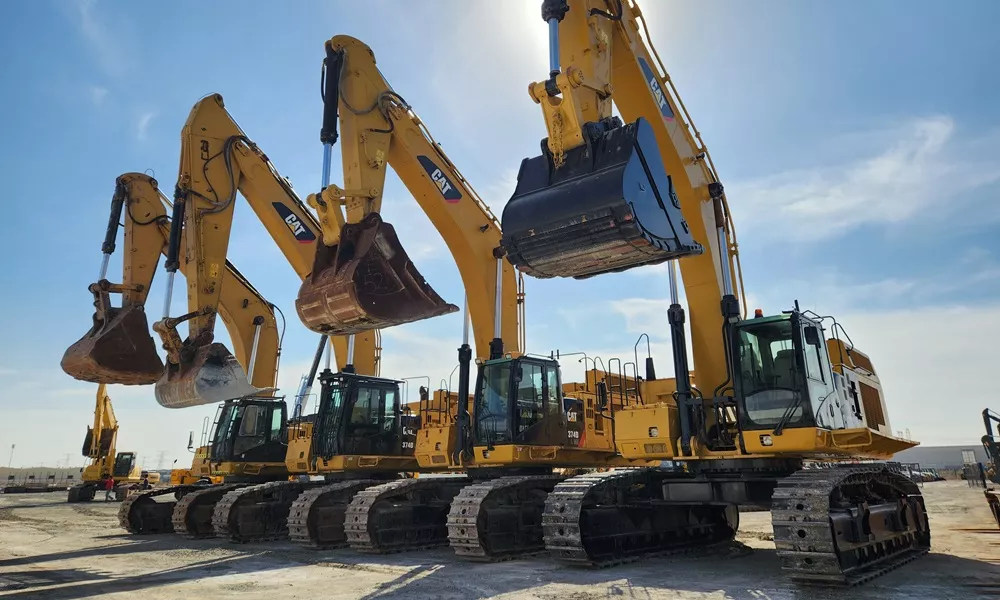
By 7 a.m. on a UAE construction site, the sun already feels like midday. By noon, the mercury is pushing past 45°C, and somewhere on the yard, a hydraulic hose is working twice as hard as it would in cooler weather. For fleet managers running construction equipment across the UAE, Saudi Arabia, and the wider Gulf, this isn't a seasonal inconvenience — it's the single biggest threat to project timelines all year. Every summer, GCC contractors watch machines limp back to the workshop with overheated engines, thinned hydraulic fluid, and batteries that gave up weeks before their rated life. The frustrating part is that most of this downtime is avoidable. It just takes a maintenance strategy built for Gulf heat, not one borrowed from a cooler climate.
Why Gulf Heat Is Harder on Machines Than It Looks
Extreme heat doesn't just make cabs uncomfortable — it attacks nearly every system on a machine at once, often several at a time:
● Engine cooling systems work overtime, and any drop in coolant level or airflow — dust-clogged radiators are common on GCC sites — pushes engines toward thermal derating or an automatic shutdown.
● Hydraulic fluid thins as temperatures climb, cutting the pressure margin excavators, loaders, and cranes rely on for precise, safe operation.
● Tyres run hotter and expand faster, raising blowout risk on machines that spend long hours on hot asphalt or compacted earth.
● Batteries lose life faster in sustained heat — a battery rated for several years in a temperate climate often performs for noticeably less time in Gulf summers.
● Diesel exhaust fluid (DEF) is heat-sensitive and degrades faster when stored or run above its recommended temperature range, risking derated engine performance.
● Dust and heat compound each other: fine sand works into cooling fins and air filters, and the added heat makes that dust harder to shed.
None of this is unique to one brand or one type of machine. It affects road construction equipment, earthmoving fleets, cranes, and every attachment in between — which is exactly why a heat-specific maintenance plan pays for itself so quickly.
What Downtime Actually Costs a GCC Job Site
With outdoor work restricted during the hottest hours across the UAE and much of the wider Gulf each summer, the working window is already compressed. Losing a grader, paver, or loader to an overheating fault during those remaining hours doesn't just stall one crew — it ripples through the whole schedule: idle operators, delayed pours, missed handover dates, and often an expensive last-minute rental brought in to cover the gap. On fixed-price contracts with penalty clauses, a single week of unplanned downtime during peak season can undo weeks of careful scheduling elsewhere on the project.
Building a Heat-Ready Maintenance Programme
A few adjustments to a standard maintenance schedule make an outsized difference once temperatures climb:
● Shorten the service interval for coolant, hydraulic fluid, and filters through the June–September window, rather than sticking to a manufacturer's year-round default.
● Schedule fluid analysis — oil and coolant sampling — at the start of summer, not the end, so contamination or early wear shows up before it causes a failure on site.
● Check and clean radiators and air intakes daily on sites with heavy sand or concrete dust; a partially blocked radiator can push an engine into thermal shutdown hours faster than a clean one.
● Test batteries proactively rather than waiting for a no-start — heat-damaged batteries rarely give much warning.
● Store heavy construction tools and attachments out of direct sun where practical. Rubber seals, hoses, and hydraulic couplers degrade faster under prolonged UV and heat exposure, even when the machine itself isn't running.
● Check tyre pressure in the early morning before heat has expanded the air inside, and adjust to the manufacturer's spec rather than topping up mid-shift when tyres are already hot.
Road Construction Equipment and Motor Graders Need Extra Attention
Paving crews face a double heat load: ambient temperature plus the heat coming off hot asphalt, which pushes rollers' and pavers' engines and hydraulic systems harder than almost any other application on site. A construction grader running continuous earthmoving or road-grading passes puts sustained load on its hydraulic tilt and lift circuits for hours at a stretch — exactly the kind of duty cycle that punishes thinned, overheated hydraulic fluid. Where the project schedule allows, shifting grading and paving work to the cooler early morning or evening hours, alongside the mandated midday break already observed across UAE sites each summer, reduces strain on both machines and crews.
Let Telematics Catch the Problem Before the Site Does
Modern construction equipment increasingly ships with remote monitoring — engine and hydraulic temperature alerts, fault codes, and idle-time tracking, all accessible from a phone or laptop. Used properly, telematics turns “the loader broke down again” into “the loader's hydraulic temperature has been trending up for three days,” giving a fleet manager the chance to schedule a fix on their own terms rather than the machine's. For fleets spread across multiple GCC sites, that early warning is often the difference between a planned half-day service and an unplanned week-long repair.
A Quick Heat-Season Checklist for Fleet Managers
● Coolant and hydraulic fluid levels checked weekly, topped up as needed
● Radiators and air filters cleaned of dust daily on high-dust sites
● Batteries load-tested monthly through peak summer
● Tyre pressure checked every morning, before the day heats up
● Fluid sampling scheduled at the start of the season, not the end
● Telematics alerts reviewed daily, not just when a fault light comes on
● Heavy construction tools and attachments stored out of direct sun where possible
Trusted Support Makes the Difference — Al-Bahar
A heat-ready maintenance plan is only as strong as the support behind it. Mohamed Abdulrahman Al-Bahar, the UAE's Caterpillar dealer, backs GCC fleets with genuine Cat parts, factory-trained technicians, and fluid-sampling programmes suited to the demands of Gulf summers. Its Cat Rental Store network — the region's original one-stop shop for construction equipment, attachments, and heavy construction tools — gives contractors a fast route to cover a machine while it's in for repair, so a single overheating incident doesn't have to stall an entire project. For fleet owners who would rather plan for summer than react to it, that combination of genuine parts, trained technicians, and rental backup is worth more than a lower price tag on a service contract.
Get Ahead of the Heat Before It Gets Ahead of Your Schedule
Extreme heat isn't going away, and neither is the pressure to hit deadlines through it. The GCC contractors who protect their margins each summer aren't the ones with the newest fleets — they're the ones who treated June through September as a maintenance season in its own right, months before the first heatwave hit. If your preventive maintenance schedule still looks the same in July as it does in January, that's the gap worth closing first. Talk to your Cat dealer about a Customer Value Agreement, book a pre-summer fluid analysis, and get your fleet's heat-readiness checked now — not after the first breakdown of the season.