Innovative Use of Drones in Structural Health Monitoring: Enhancing Safety and Efficiency
This article explores the transformative role of drones in structural health monitoring, emphasizing their impact on safety, efficiency, and cost-effectiveness in engineering and architecture.
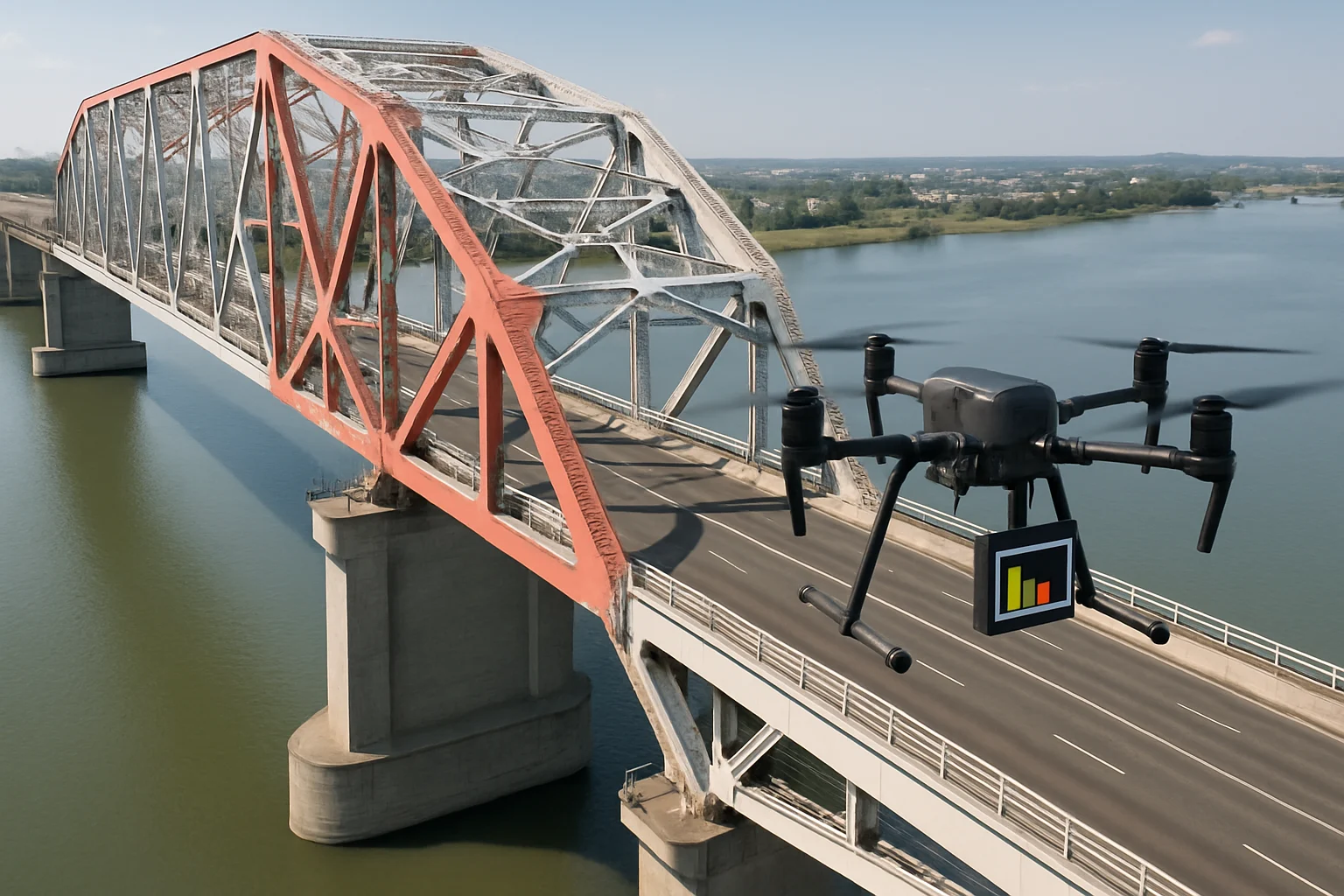
As technology advances, traditional methods employed in engineering and architecture continually evolve. One of the most groundbreaking innovations is the integration of drones in structural health monitoring (SHM). This article delves into how drones are revolutionizing SHM by enhancing safety, increasing efficiency, supporting data collection, and reducing costs.
The Importance of Structural Health Monitoring
Structural Health Monitoring is a critical process used to assess the condition of structures, such as bridges, buildings, and dams. It involves repeated evaluations that help identify potential issues such as deterioration, fatigue, and overload. Conventional methods of SHM often require extensive manpower and can be time-consuming. The implementation of drone technology has emerged as a game-changer.
The Role of Drones in Structural Health Monitoring
Drones, or unmanned aerial vehicles (UAVs), play a pivotal role in the realm of SHM. Their use offers numerous benefits:
- Accessibility: Drones can reach difficult-to-access areas without the need for scaffolding or climbing equipment.
- Speed: UAVs can complete inspections in a fraction of the time it takes traditional methods.
- Cost-effectiveness: By reducing the need for scaffolding and extensive labor, drones significantly lower inspection costs.
- Data Collection: Drones are capable of capturing high-resolution images, 3D models, and thermal data for thorough analysis.
- Safety: By performing inspections remotely, drones mitigate the risks associated with working at heights and in hazardous environments.
These advantages make drones an indispensable tool in modern SHM processes, contributing to improved maintenance strategies and prolonged asset lifespan.

Technological Features of Drones Used in SHM
The capabilities of drones utilized for structural health monitoring are continually being refined. Key technological features include:
- High-Resolution Cameras: Equipped with advanced imaging technology, drones can capture detailed images and videos of structures from various angles.
- LiDAR Technology: Light Detection and Ranging (LiDAR) can create precise 3D representations of structures, aiding in more accurate assessments.
- Thermal Imaging: Drones equipped with thermal imaging cameras can detect heat anomalies, indicating insulation failures or moisture issues.
- GPS and Sensor Integration: Drones often carry multiple sensors that enhance data collection, including accelerometers and strain gauges.
Applications of Drones in Different Structural Contexts
The integration of drones into structural health monitoring spans various sectors:
Bridges
Bridges are large-scale structures often subject to environmental stressors. Drone inspections can quickly identify signs of wear, corrosion, and cracking.
Buildings
For high-rise buildings, drones can efficiently inspect facades and roofs, collecting critical data without risking human safety.
Dams
Drones can facilitate monitoring of dam integrity, ensuring detection of potential failures that could lead to catastrophic results.
Infrastructure in Remote Areas
In remote locations, drones can perform inspections without the logistical challenges typically associated with traditional methods, improving monitoring efforts.
Challenges and Considerations
Despite the advantages of using drones for structural health monitoring, some challenges persist:
- Regulatory Restrictions: FAA and local regulations can limit drone operations in certain areas.
- Weather Conditions: Inclement weather can hinder drone operations, necessitating planning and flexibility.
- Technical Skill Requirements: Effective use of drones requires trained operators familiar with both flight operations and data analysis.
The Future of Drones in Structural Health Monitoring
Looking ahead, the potential for drones in structural health monitoring is immense. Advancements in artificial intelligence (AI) and machine learning will enhance data analysis capabilities. The ability to process large datasets in real-time will allow for more proactive maintenance strategies. Additionally, improved battery technology will extend flight times, enabling longer and more thorough inspections.
Conclusion
The incorporation of drones into structural health monitoring is transforming how engineers and architects approach safety and maintenance. As technology continues to advance, the integration of UAVs is expected to further enhance the efficiency, accuracy, and cost-effectiveness of inspections. For professionals in engineering, architecture, and real estate, embracing drone technology will not only streamline operations but also ensure the longevity and safety of structures. Adapting to these innovations is crucial for staying competitive and responsive to the evolving demands of the industry.