Integrating IoT Monitoring for Stability in Temporary Works: A Comprehensive Guide
Learn how to effectively implement IoT monitoring for ensuring the stability of temporary works in civil engineering projects. This detailed guide outlines practical steps, best practices, and a checklist for professionals in the field.
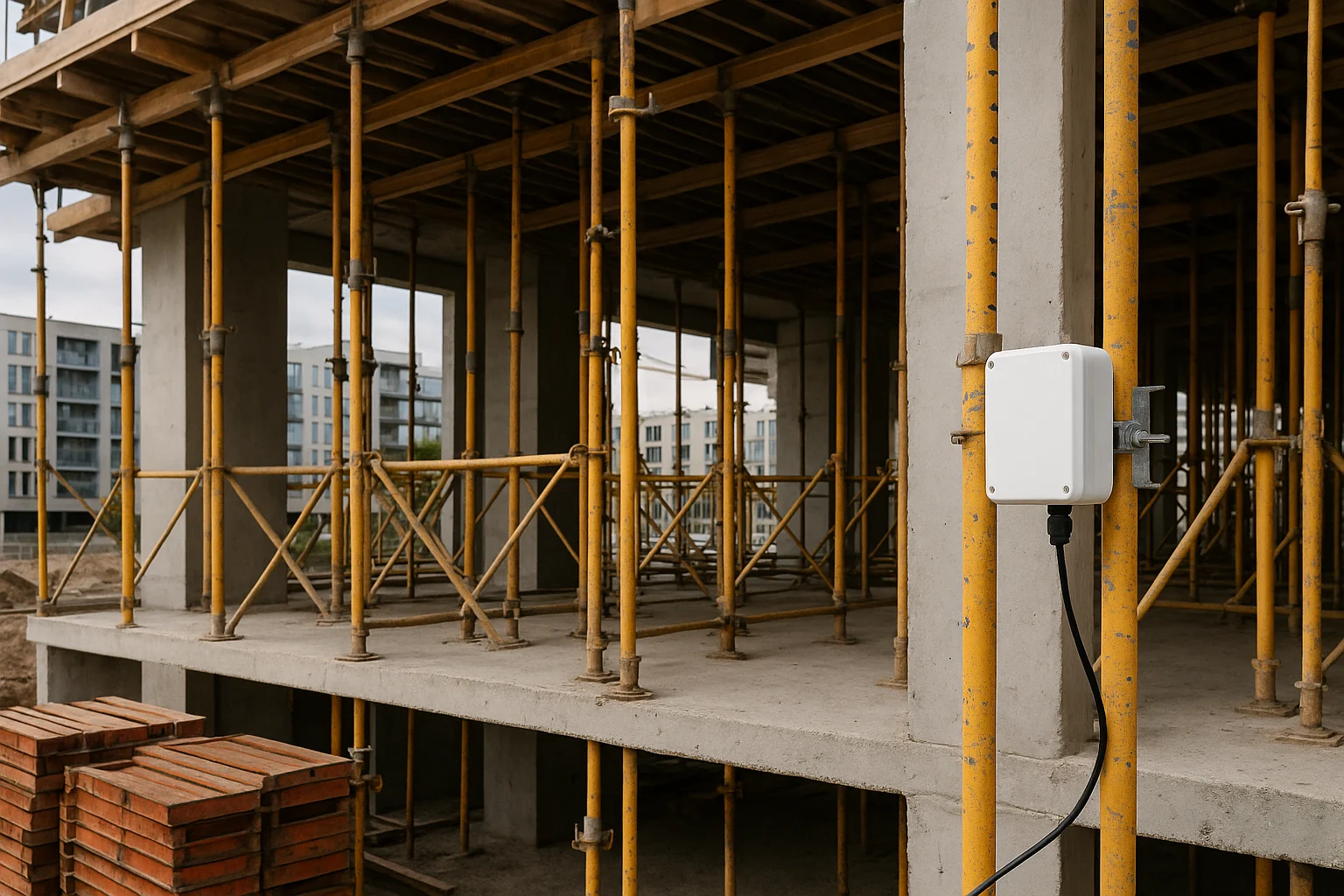
In the realm of civil engineering and construction, ensuring the stability of temporary works is crucial. Temporary structures, such as scaffolding, shoring, and formwork, play an essential role in various projects but can pose risks if not properly monitored. With advances in technology, the Internet of Things (IoT) has emerged as a game-changer, providing innovative solutions to enhance safety and efficiency. This guide will outline a step-by-step approach to integrating IoT monitoring for temporary works stability.
1. Understanding the Importance of Temporary Works Stability
Temporary works stability is critical for:
- Safety: Preventing accidents and injuries on construction sites.
- Project Efficiency: Minimizing delays and ensuring projects stay on schedule.
- Cost Management: Reducing risks associated with structural failure and potential litigation.
2. Overview of IoT and Its Role in Construction
The Internet of Things refers to a network of interconnected devices that communicate and exchange data. In construction, IoT applications include:
- Real-time monitoring of structural integrity.
- Data collection for predictive analysis.
- Automated alerts for critical conditions.
3. Steps for Implementing IoT Monitoring in Temporary Works
Here’s a pragmatic approach to leveraging IoT technology for temporary works:
Step 1: Define Goals and Objectives
Clearly outline what you aim to achieve with IoT monitoring. Consider factors such as:
- Safety standards.
- Regulatory requirements.
- Specific environmental conditions impacting stability.
Step 2: Assess Current Infrastructure
Evaluate existing temporary work systems for stability and safety measures. Conduct assessments to determine:
- Current monitoring technologies.
- Potential vulnerabilities.
- Compliance with safety regulations.
Step 3: Select IoT Monitoring Solutions
Choose appropriate IoT devices and sensors based on your assessment. Consider:
- Sensors: Load cells, tilt sensors, and temperature sensors.
- Communication systems: Wi-Fi, cellular, and LPWAN options.
- Data platforms: Cloud-based solutions that offer real-time analytics.
Step 4: Install IoT Devices
Plan the installation of IoT devices strategically throughout the temporary works. Ensure:
- Devices are placed in critical areas for accurate monitoring.
- Installation follows the manufacturer's specifications.
- Incorporate fail-safes to ensure continued operation.
Step 5: Develop a Data Management Strategy
Establish a framework for data collection, storage, and analysis. This includes:
- Regular data backups.
- Data visualization tools for interpreting findings.
- Protocols for responding to alerts and anomalies.
Step 6: Train Personnel
Ensure that team members are trained to use IoT systems effectively. Focus on:
- Understanding the technology.
- Interpreting data results.
- Responding to alerts and emergencies.
Step 7: Monitor and Adjust
Continuously monitor the effectiveness of your IoT solutions. Make adjustments based on:
- Feedback from personnel.
- Data analysis results.
- Changes in project conditions.
4. Checklist for Successful IoT Monitoring Implementation
| Task | Status |
|---|---|
| Define project goals | ✔️ |
| Assess current infrastructure | ✔️ |
| Select IoT monitoring solutions | ✔️ |
| Install IoT devices in critical areas | ✔️ |
| Develop data management strategy | ✔️ |
| Train personnel | ✔️ |
| Monitor performance and adjust as necessary | ✔️ |
5. Conclusion
The integration of IoT monitoring in temporary works signifies a pivotal advancement in construction safety and efficiency. By following the steps outlined in this guide, civil engineers, architects, and builders can ensure that temporary structures are not only stable but also equipped with the latest technology to monitor their integrity in real-time. Embracing IoT solutions not only enhances project outcomes but also elevates safety standards across the industry.