The Intersection of Human-Centered Design and Workplace Fitness: A Market Outlook
Exploring how human-centered design in workspaces can enhance employee fitness, well-being, and productivity while addressing market trends and opportunities in the USA.
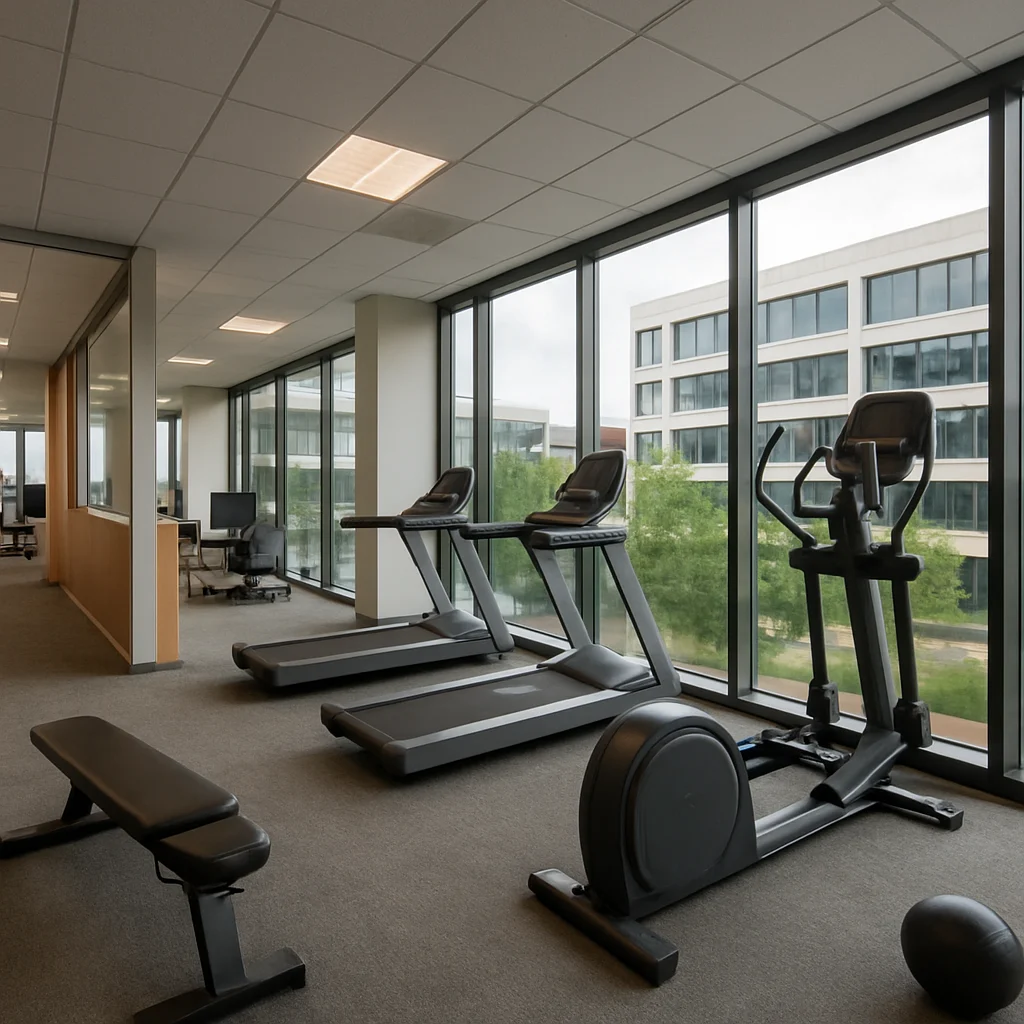
In a rapidly evolving world of work, the design of our workplaces is undergoing significant transformations geared toward enhancing employee fitness and well-being. Human-centered design is at the forefront of these changes, emphasizing the importance of creating environments that support not only productivity but also physical and mental health. This article explores the market outlook for human-centered workplace design with a specific focus on fitness, providing insights into current trends, drivers, risks, and a 12-24 month view for professionals in the architecture, engineering, construction, and real estate sectors.
Understanding Human-Centered Design
Human-centered design (HCD) is a problem-solving approach that revolves around the needs, preferences, and behaviors of users. When applied to workspace design, HCD focuses on creating environments that enhance the overall employee experience, leading to higher job satisfaction, reduced turnover, and improved productivity. Key aspects of HCD in workplaces include:
- Ergonomics: Designing furniture and layouts that promote physical health.
- Flexibility: Providing spaces that can be adapted for different tasks and worker preferences.
- Natural Light: Utilizing windows and skylights to improve mood and reduce fatigue.
- Green Spaces: Incorporating plants and natural elements to enhance air quality and well-being.
Market Drivers for Human-Centered Design in Workspaces
The push for human-centered design in workspaces is fueled by multiple factors, all converging to create a more health-conscious and productive workforce:
- Employee Health Awareness: Growing awareness of physical and mental health impacts how employees view their work environments. Companies that prioritize wellness are more likely to attract and retain talent.
- Increased Remote Work: The COVID-19 pandemic has accelerated the shift to remote and hybrid work models, prompting organizations to rethink traditional office designs to accommodate new working patterns.
- Technological Advancements: Innovations in smart building technologies allow for better monitoring of air quality, light exposure, and space utilization, thus enhancing workplace health.
- Corporate Social Responsibility (CSR): Businesses are increasingly recognizing the importance of CSR, which includes providing a healthy work environment as part of their commitment to employee welfare.
Risks and Challenges Ahead
While the future of human-centered workplace design seems promising, several risks and challenges must be addressed:
- Cost Implications: Implementing human-centered design can require significant upfront investments that may deter some organizations.
- Resistance to Change: Employees and management accustomed to traditional workplace setups may resist adopting new designs and practices.
- Regulatory Compliance: Navigating local building codes and regulations can complicate design efforts, particularly when incorporating novel concepts.
Market Outlook for the Next 12-24 Months
| Period | Expected Trends | Potential Opportunities | Key Considerations |
|---|---|---|---|
| Next 12 Months | Focus on flexible office layouts and remote work adaptations | Smart technology integration in workspace design | Balancing cost against employee satisfaction |
| 12-24 Months | Increased emphasis on wellness-focused environments | Design for mental health and collaboration spaces | Addressing regulatory hurdles in design implementations |
Conclusion
As organizations continue to evolve and adapt to the changing landscape of work, the importance of human-centered design in workplaces cannot be overstated. By prioritizing employee fitness and well-being through innovative workspace designs, companies can not only enhance productivity but also foster a healthier work culture. Understanding market drivers, addressing potential risks, and keeping an eye on emerging trends will be crucial for architects, engineers, builders, and real estate professionals looking to capitalize on the growing demand for human-centered workspaces in the USA.