Transforming Fitness Environments: A Case Study on Biophilic Design and Its Impact on Health Outcomes
This case study explores how biophilic design principles in fitness spaces enhance physical and mental health outcomes, focusing on a recent project in the European Union.
Introduction
In recent years, the concept of biophilic design—an approach that seeks to connect building occupants more closely to nature—has gained traction in various fields, particularly in architecture and urban planning. This case study examines a project in the European Union (EU) that embodies these principles in a fitness environment, demonstrating how biophilic design can enhance health outcomes for users.
Context: The Need for Enhanced Fitness Spaces
The growing awareness of the importance of mental and physical health in urban settings has prompted architects and designers to reconsider how fitness spaces are structured. In a bustling city in the EU, a new fitness complex was proposed in response to community feedback highlighting the lack of connection to nature in existing gym facilities. Local health data indicated rising levels of stress and mental health issues among residents, signifying a need for environments that promote well-being.
Constraints: Balancing Design with Functionality
The primary constraints faced during the design process included:
- Budget Limitations: The project had a fixed budget that required cost-effective solutions without compromising aesthetic values.
- Space Utilization: The fitness center had to accommodate a variety of activities, including weight training, group classes, and open spaces for yoga and meditation.
- Regulatory Compliance: The design had to meet both local building codes and environmental regulations, particularly in terms of sustainability and energy efficiency.
Solution: Integrating Biophilic Design Principles
The design team adopted several biophilic design principles to create an inviting and rejuvenating atmosphere:
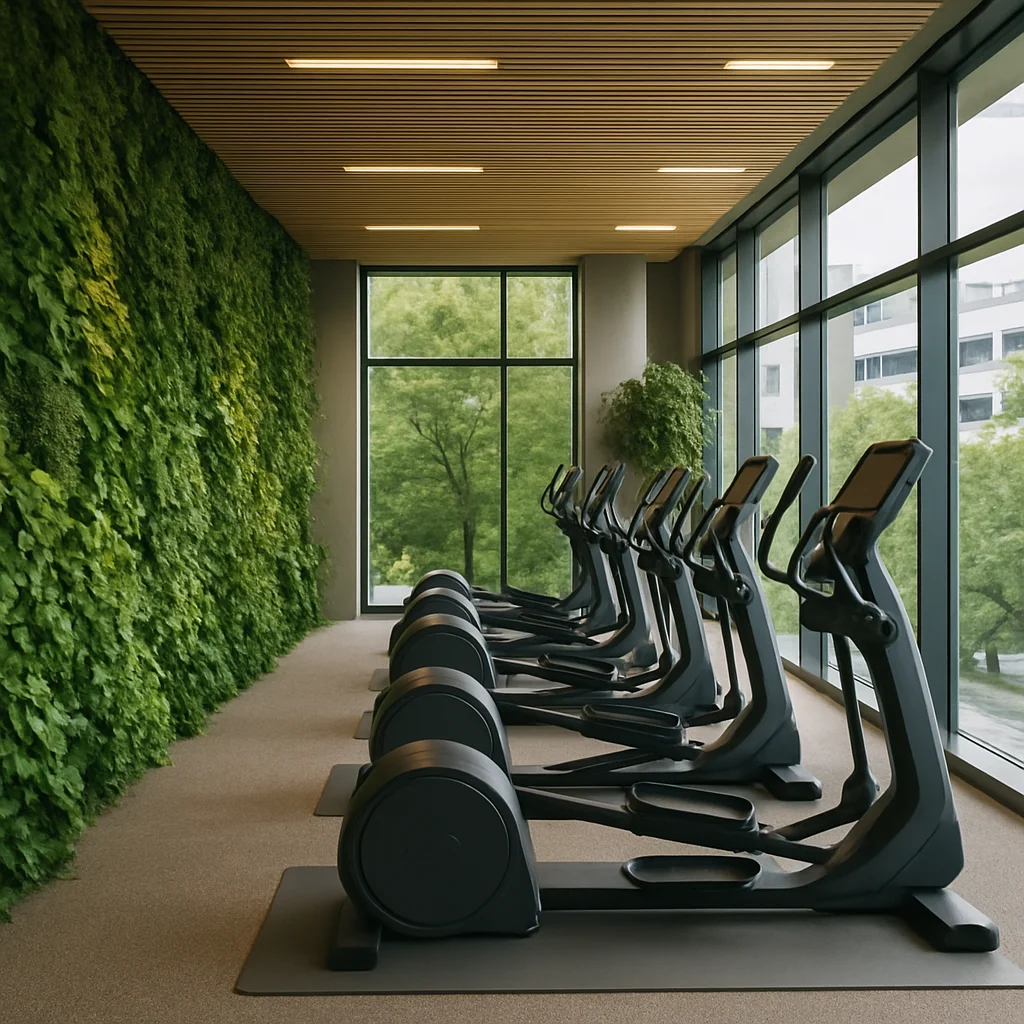
- Natural Light: Large windows and skylights were incorporated to maximize natural light, reducing reliance on artificial lighting and improving mood.
- Indoor Greenery: The inclusion of plants throughout the fitness center aimed to enhance air quality and create a calming environment, encouraging members to engage with nature.
- Organic Materials: The use of natural materials, such as wood and stone, provided a tactile connection to the earth, contributing to the overall aesthetic and sensory experience.
- Connection to Outdoor Spaces: A rooftop garden and outdoor fitness area were designed to extend the usable space outside, promoting outdoor exercise and mindfulness.
Results: Health Outcomes and User Feedback
Six months post-opening, the fitness center reported remarkable outcomes:
- Increased Membership: Membership numbers rose by 40% compared to local averages, attributed partly to the inviting design and atmosphere.
- Improved Mental Health: Surveys indicated a 30% decrease in reported stress levels among users, with many citing the calming effect of the natural elements.
- Enhanced Engagement: Users reported spending more time in the facility, with many participating in outdoor classes and community events organized in the rooftop garden.
Lessons Learned: The Importance of Design in Health
This project underscores the importance of integrating biophilic design principles in fitness environments to promote health and well-being:
- Design Matters: Creating a space that prioritizes natural elements can significantly enhance user experience and health outcomes.
- User-Centric Approach: Engaging with the community during the design phase ensured that the facility met the specific needs of its users.
- Sustainability is Key: Incorporating eco-friendly materials and practices not only contributes to environmental goals but also resonates positively with health-focused users.
Conclusion
As the focus on health and wellness continues to grow, the integration of biophilic design into fitness spaces offers a promising pathway to enhance user experience and promote better health outcomes. This case study illustrates how thoughtful design can transform the way communities engage with fitness, ultimately leading to healthier lifestyles and improved quality of life.