Beyond First Impressions: The Role of Professional Cleaning in Maintaining Business Premises
When someone enters a business premises for the first time, they begin forming an impression before a conversation even takes place.
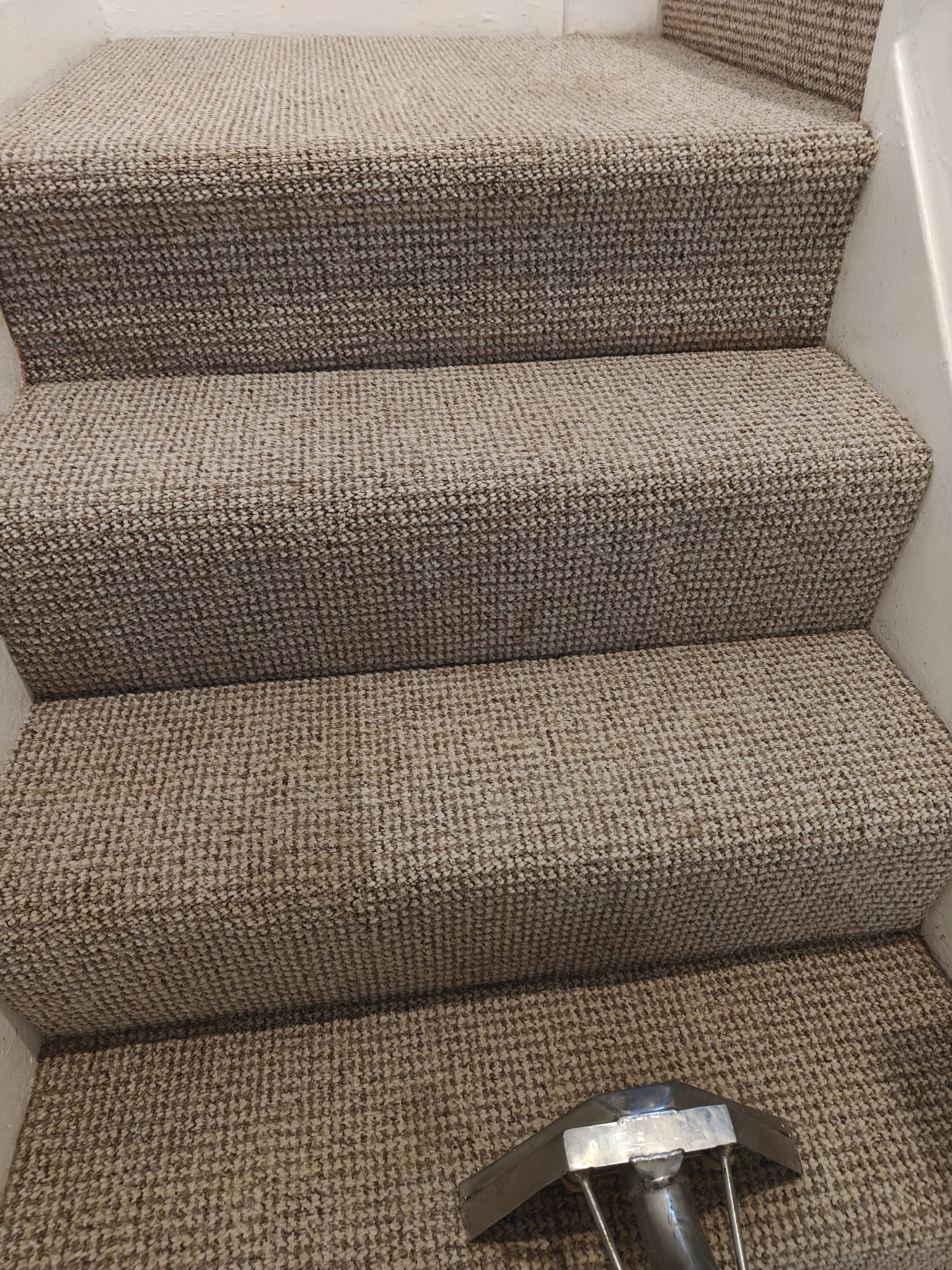
When someone enters a business premises for the first time, they begin forming an impression before a conversation even takes place. The condition of the entrance, the appearance of the floors, the cleanliness of reception furniture, and the general atmosphere all contribute to how visitors perceive the organisation. While businesses often invest considerable effort in branding, customer service, and interior design, the importance of professional cleaning can sometimes receive less attention than it deserves.
A commercial property is more than a physical location where employees complete their daily responsibilities. It represents the organisation, provides a working environment for staff, and creates a space where customers and visitors interact with the business. Maintaining that space requires regular attention, suitable cleaning methods, and an understanding of how different areas are used.
Dust, everyday marks, food residue, and general wear can gradually affect the appearance of a building. Even properties that receive routine cleaning may develop maintenance problems in areas that are difficult to access or experience particularly heavy use.
Professional cleaning of carpet helps businesses manage these challenges through structured maintenance and appropriate techniques. It supports the appearance of commercial premises, helps protect interior surfaces, and makes it easier to maintain a consistent standard throughout the building.
Understanding the connection between professional cleaning and business premises maintenance can help organisations make better decisions about their property management responsibilities.
Why the Condition of Business Premises Matters
A commercial property communicates a great deal about the organisation operating inside it. Visitors may not consciously examine every surface, but the general condition of the environment can influence their overall experience.
A clean entrance, organised reception area, and properly maintained flooring create a different atmosphere from a building where dirt and neglected surfaces are immediately noticeable.
However, maintaining commercial premises involves more than preparing the building for occasional visitors. Employees also depend on the condition of their surroundings throughout the working day.
The Connection Between Cleanliness and Professional Presentation
Businesses spend time developing their identity and building relationships with customers. The physical environment forms another part of that identity.
For example, a professional office may have attractive furniture, modern technology, and carefully selected decorations. If the carpets are visibly stained or the washrooms are poorly maintained, the overall presentation may become inconsistent.
Similarly, retail premises can have attractive displays and excellent products, but neglected floors and dusty surfaces may distract customers from the shopping experience.
Regular professional cleaning helps maintain consistency between the image a business wants to communicate and the condition of its premises.
A Welcoming Environment for Visitors
Reception areas, waiting rooms, and customer-facing spaces deserve particular attention because they are often the first locations visitors encounter.
These spaces may contain upholstered seating, glass partitions, hard flooring, carpets, and frequently touched surfaces. Each material requires suitable care to maintain its appearance.
A well-maintained waiting area can help visitors feel more comfortable while they wait for appointments or assistance.
Supporting Everyday Business Operations
Clean premises also contribute to the practical management of a building.
Spills, accumulated debris, and neglected surfaces can create additional maintenance work. Addressing these issues through a suitable cleaning routine helps businesses keep their environments organised.
The objective is to prevent cleaning problems from becoming unnecessary interruptions to normal operations.
Understanding the Different Cleaning Needs of Commercial Properties
Not every business premises has identical requirements. A small office, a retail shop, a hotel, and a large corporate building all contain different materials and experience different patterns of activity.
A suitable cleaning programme should reflect these differences.
Office Buildings
Offices contain a mixture of individual workstations, shared meeting rooms, corridors, kitchens, reception areas, and washrooms.
Employees may spend most of their working day in one section of the building, while other spaces receive constant movement from visitors and staff.
Workstations require attention to accessible surfaces and surrounding floors. Meeting rooms need maintenance between periods of use, while shared facilities may require more frequent cleaning.
A structured cleaning arrangement helps ensure that less visible areas are not consistently overlooked.
Retail and Shopping Environments
Retail premises experience changing customer numbers throughout the day.
Entrance flooring, product display areas, fitting rooms, checkout spaces, and customer seating can all require regular attention.
The appearance of the shop floor is particularly important because customers interact directly with the environment while browsing and making purchases.
Cleaning schedules should consider opening hours, customer traffic, and the types of flooring installed throughout the premises.
Hospitality Properties
Hotels, restaurants, and other hospitality businesses have varied cleaning requirements.
Guest areas, dining spaces, corridors, kitchens, and shared facilities all experience different types of use.
For example, dining areas may require attention to food residue and spills, while carpeted corridors may collect dirt through continuous guest movement.
Maintaining these spaces requires appropriate methods for each surface and activity.
Industrial and Operational Premises
Industrial and operational buildings may experience additional contamination from machinery, packaging materials, deliveries, and production activities.
Different sections of these properties can have specific cleaning and safety requirements.
Cleaning arrangements should be developed around the actual activities taking place, with specialist tasks assigned to appropriately trained personnel where necessary.
The Importance of Maintaining Floors and Carpets
Flooring is one of the most heavily used parts of a commercial building. Employees, customers, suppliers, and visitors walk across it throughout the day.
Because floors experience continuous contact, their condition can change gradually even when routine cleaning is performed.
Different flooring materials also collect different forms of contamination, making appropriate maintenance essential.
Commercial Carpet Maintenance
Carpets are widely used in offices, hotels, reception areas, and other commercial environments.
They can create a comfortable atmosphere and help reduce noise, but their fibres may collect dust, soil, and small particles over time.
Vacuuming is an important part of everyday carpet maintenance. However, heavily used carpeted areas may also require periodic professional treatment.
Hot water extraction is one method used by professional cleaning teams. It involves applying heated water and a suitable cleaning solution before extracting loosened contamination and moisture.
This approach can help address accumulated soil that ordinary vacuuming may not remove.
The Role of CRB Agitation
CRB stands for Counter Rotating Brush. CRB machines use two brushes that rotate in opposite directions to agitate carpet fibres.
This movement can help loosen compacted dirt and distribute suitable pre-treatment solutions throughout the carpet pile.
The equipment may be used before hot water extraction when the carpet construction and condition make mechanical agitation appropriate.
It is important to select suitable settings and techniques because delicate carpet fibres may require gentler treatment.
Truck-Mounted Extraction Systems
Truck-mounted carpet cleaning systems are professional machines installed inside specialist cleaning vehicles.
They provide heated water delivery and powerful vacuum extraction through connected hoses.
These systems are commonly used for larger carpet cleaning projects and can be particularly useful in commercial environments where extensive carpeted areas require professional attention.
The correct cleaning temperature, pressure, and solution should always reflect the material being treated.
Supporting Carpet Drying
After extraction, some moisture may remain within carpet fibres.
Professional air movers circulate air across carpet surfaces, helping support the drying process.
This can be particularly useful in larger commercial premises where businesses want cleaned areas to return to normal use as soon as practical.
Drying time depends on several factors, including ventilation, humidity, room temperature, carpet thickness, and the amount of remaining moisture.
How Professional Cleaning Helps Protect Interior Surfaces
Commercial furniture, flooring, fixtures, and fittings represent investments that businesses generally want to maintain for as long as possible.
Everyday use can introduce dirt and residue that gradually affect the appearance of these materials.
Appropriate cleaning helps manage this accumulation, although it cannot reverse every form of physical damage.
Maintaining Furniture and Upholstery
Office chairs, reception sofas, waiting-room seating, and fabric partitions receive frequent contact.
Over time, these materials may collect dust, skin oils, and general everyday residue.
The correct cleaning method depends on the upholstery fabric, construction, and manufacturer's instructions.
Some materials may be suitable for particular extraction methods, while others require low-moisture treatment or specialist products.
A professional assessment helps reduce the risk of using an unsuitable technique.
Caring for Glass and Interior Fixtures
Glass partitions, mirrors, display cabinets, and windows can quickly show fingerprints and cleaning marks.
Suitable glass-cleaning products and appropriate tools help maintain a clearer finish.
Interior fixtures such as handles, switches, and accessible fittings also require attention according to their material and usage.
Looking After Hard Flooring
Commercial hard floors can develop scuff marks, residue, and accumulated dirt through regular movement.
The correct cleaning method depends on whether the flooring is vinyl, ceramic tile, natural stone, laminate, or another material.
Some surfaces may require mechanical scrubbing, while others need gentler cleaning techniques.
Following manufacturer guidance is important because unsuitable chemicals and equipment can damage certain floor finishes.
Cleaning Standards and the Importance of Consistency
A commercial cleaning programme should not depend entirely on occasional detailed cleaning sessions.
Maintaining a property requires consistency, because dirt and residue continue to accumulate as people use the building.
A structured approach makes it easier to monitor cleaning responsibilities and identify areas that need additional attention.
Establishing Clear Cleaning Responsibilities
Businesses should understand which tasks are completed daily, which require weekly attention, and which are arranged periodically.
For example, reception floors and washrooms may need frequent maintenance, whereas certain detailed cleaning activities can be scheduled less often.
Clear responsibilities reduce the possibility of important tasks being overlooked.
Monitoring the Condition of Different Areas
Regular inspections help identify developing problems before they become more difficult to address.
A carpet showing concentrated traffic marks may require professional treatment. A floor with persistent residue may need a different cleaning product or technique.
Similarly, furniture and shared facilities should be inspected to determine whether their current maintenance routine remains suitable.
Reviewing the Cleaning Programme
Business premises can change considerably over time.
An organisation may employ additional staff, introduce new equipment, expand its customer-facing areas, or change the way certain rooms are used.
These developments can affect cleaning requirements.
Reviewing the cleaning programme helps businesses adjust their arrangements according to the current condition and use of the building.
How Clean Premises Influence the Employee Experience
Employees spend a considerable amount of time inside their workplace. The condition of their surroundings can influence their everyday experience.
A properly maintained building provides an organised setting where staff can carry out their responsibilities without unnecessary distractions caused by neglected facilities.
Shared Facilities and Employee Comfort
Staff kitchens, break rooms, washrooms, and meeting spaces are used by different employees throughout the day.
Maintaining these facilities helps create a more pleasant shared environment.
Kitchen surfaces require appropriate cleaning to address food residue, while washrooms need suitable hygiene procedures and regular inspections.
The condition of these spaces should be treated as part of the overall workplace maintenance strategy.
Maintaining Work Areas
Desks, office furniture, and surrounding floors can accumulate dust and general debris.
A suitable cleaning routine helps maintain accessible surfaces while respecting employees' personal belongings and working equipment.
Businesses should also communicate any preparation requirements before scheduled cleaning appointments.
Reducing Unnecessary Workplace Disruption
Professional cleaning can be arranged around normal business activities.
For example, certain detailed tasks may be scheduled outside standard operating hours or during quieter periods.
This approach allows businesses to maintain their premises while reducing interruptions to employees and customers.
The Role of Cleaning Products in Commercial Maintenance
Cleaning products are developed for different purposes. Some are designed to remove grease, others help address mineral deposits, and some are formulated for particular floor materials.
Using the correct product is important for both cleaning effectiveness and surface protection.
Understanding Surface Compatibility
Different materials respond differently to chemical products.
Natural stone may be sensitive to acidic cleaners, while certain coated surfaces can be affected by strong solvents.
A product suitable for ceramic tiles may not be appropriate for polished wood or delicate upholstery.
Professional cleaning teams should consider manufacturer recommendations and product instructions before applying chemicals.
Correct Dilution and Application
Some cleaning solutions require dilution before use.
Applying an incorrect concentration may lead to residue, surface damage, or unnecessary chemical exposure.
Following the manufacturer's instructions helps ensure that products are used appropriately.
Why Products Should Not Be Mixed
Combining cleaning chemicals without specific manufacturer approval can create dangerous reactions.
For example, mixing bleach with acidic products or ammonia-containing cleaners can release harmful gases.
Commercial cleaning procedures should therefore include appropriate chemical handling, storage, labelling, and safety precautions.
Why Washroom Maintenance Deserves Particular Attention
Washrooms are among the most frequently used shared facilities in many commercial properties.
Their condition can influence how employees and visitors perceive the overall building.
Unlike some other areas, washrooms require regular attention to several different surfaces and fixtures.
Maintaining Frequently Used Fixtures
Toilets, sinks, taps, handles, and accessible contact surfaces should be included in appropriate cleaning routines.
Suitable cleaning and disinfecting products should be selected according to the surface and product instructions.
Floors and Surrounding Areas
Washroom floors may experience moisture, soap residue, and footwear marks.
Cleaning methods should account for the flooring material and any relevant slip risks.
Where appropriate, floors should be left to dry before normal use resumes.
Maintaining Supplies and General Presentation
Cleaning is not limited to removing dirt.
Washroom maintenance may also involve checking soap dispensers, hand-drying supplies, waste bins, and other essential facilities.
A planned approach helps businesses maintain these spaces more consistently.
The Importance of Cleaning Hard-to-Reach Areas
Some parts of commercial buildings receive less attention simply because they are difficult to access.
These may include spaces behind furniture, floor edges, high shelving, narrow gaps, and areas around fixed equipment.
Although these locations may not always be immediately visible, they can still collect dust and debris.
Furniture and Equipment Edges
Desks, cabinets, reception counters, and storage units can create narrow spaces where dirt accumulates.
Moving accessible furniture carefully or using appropriate cleaning attachments can help address these areas.
Heavy equipment should only be moved when suitable procedures and personnel are available.
Corners and Floor Junctions
Corners and junctions between walls and floors can collect dust that ordinary cleaning equipment may miss.
Detailed cleaning tools and appropriate attachments can help improve access.
High-Level Surfaces
Shelves, accessible ledges, and other elevated surfaces may collect settled dust.
Cleaning these locations requires appropriate access equipment and safe working practices.
Where working at height is necessary, suitable training and safety procedures are essential.
Choosing the Right Professional Cleaning Provider
Selecting a cleaning company is an important part of managing commercial premises.
Businesses should consider the provider's experience, available equipment, cleaning methods, communication, and ability to work around operational requirements.
Understanding the Services Offered
Before arranging a service, businesses should identify exactly what they need.
Some may require regular office cleaning, while others may need specialist carpet treatment or more detailed property maintenance.
Understanding the available services makes it easier to select an appropriate arrangement.
Checking Equipment and Cleaning Methods
Professional equipment can support different cleaning tasks, but its suitability depends on the surface being treated.
Businesses should ask what methods are used and how the cleaning provider assesses different materials.
For carpet cleaning, useful questions include whether the company provides hot water extraction, whether CRB agitation is available where suitable, and how drying is managed.
Discussing Scheduling Requirements
Commercial properties often operate according to fixed opening hours.
A cleaning provider should understand the importance of arranging work around employees, customers, and building access requirements.
Clear scheduling can help avoid unnecessary disruption.
Understanding the Scope of Work
Businesses should establish which areas are included, how frequently cleaning takes place, and whether specialist tasks are part of the arrangement.
A clear understanding helps avoid confusion and makes it easier to review service quality.
Building a Long-Term Commercial Cleaning Strategy
Professional cleaning should form part of a wider property maintenance plan.
Rather than treating cleaning as an occasional response to visible dirt, businesses can organise it around the condition and usage of their premises.
Identify Priority Areas
The first step is to identify locations that experience the greatest amount of activity.
Entrances, reception areas, shared kitchens, washrooms, and main corridors often require more frequent attention.
Match Methods to Materials
The cleaning programme should identify the different surfaces throughout the building and establish suitable maintenance methods.
This is particularly important where carpets, natural stone, specialist flooring, and upholstered furniture are present.
Combine Routine and Specialist Cleaning
Daily maintenance helps control ordinary contamination, while periodic professional cleaning addresses more demanding tasks.
Combining both approaches provides a more complete property maintenance strategy.
Keep Records of Cleaning Activities
Businesses may find it useful to maintain cleaning schedules and inspection records.
These records can help identify recurring problems, review completed tasks, and determine whether the current arrangement remains suitable.
Adjust the Plan When Conditions Change
Changes in occupancy, weather, business activity, and building layout can influence cleaning requirements.
Reviewing the plan periodically helps maintain a practical balance between cleaning needs and available resources.
Maintaining Business Premises with AVCS Cleaning Solutions
Commercial property maintenance requires attention to the details that influence both appearance and everyday use.
For businesses and property owners in Doncaster and surrounding areas of South Yorkshire, AVCS Cleaning Solutions provides professional cleaning services for residential and commercial environments.
Different properties require different cleaning approaches. A carpeted office, a busy reception area, and a commercial customer space may all have different maintenance priorities.
Professional carpet cleaning is particularly relevant for businesses where flooring experiences regular foot traffic. Suitable methods and specialist machinery can help address accumulated soil while maintaining the condition of the carpet.
AVCS Cleaning Solutions uses professional equipment and techniques, including truck-mounted hot water extraction systems, CRB agitation machines, and professional air movers.
These systems perform different roles within the carpet cleaning process. CRB machines help loosen compacted soil where suitable, extraction systems remove loosened contamination and moisture, and air movers support the drying stage.
Choosing an appropriate cleaning method requires consideration of the carpet material, its condition, and the level of contamination.
A planned approach to professional cleaning can help businesses maintain their premises and manage the gradual effects of everyday use.
Conclusion
Business premises communicate an impression through their condition, appearance, and general maintenance. From reception areas and office flooring to washrooms and shared facilities, every part of a commercial building contributes to the environment experienced by employees and visitors.
Maintaining these spaces requires more than occasional surface cleaning. It involves understanding different materials, selecting suitable products, using appropriate equipment, and establishing consistent maintenance routines.
Professional cleaning can help businesses address accumulated dirt, maintain interior surfaces, and keep their properties presentable throughout the year.
The most effective approach combines everyday maintenance with periodic specialist attention. By treating cleaning as an important part of property management rather than an occasional task, businesses can create a more organised and welcoming environment for everyone who uses their premises.

Programming Insider
Programming Insider delivers the latest news, insights, and updates on television ratings, broadcasting, streaming platforms, and digital media. It also covers entertainm...