Demystifying Rest-of-Line Test Automation Strategies in Industrial Automation
This article explores the critical myths and facts surrounding rest-of-line test automation strategies in industrial automation, providing engineers and architects with practical insights.
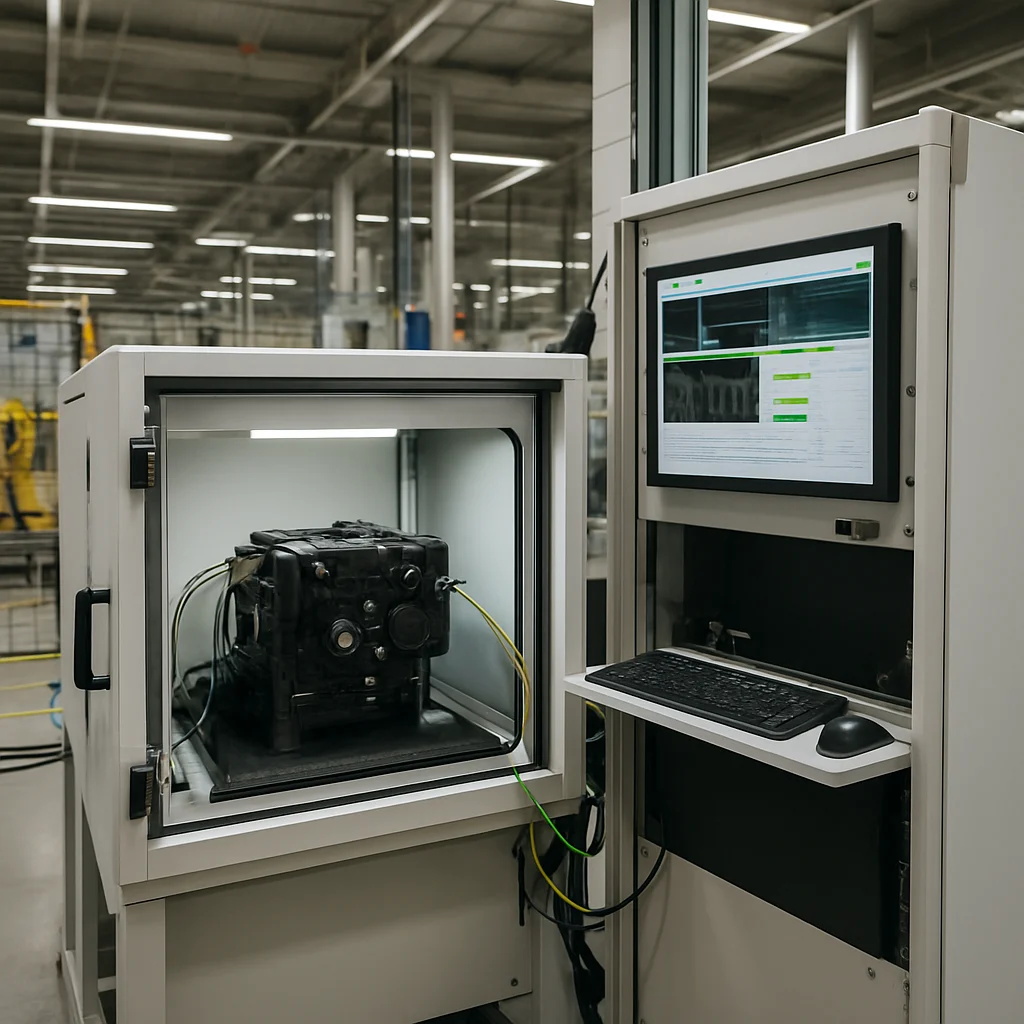
In today's fast-paced industrial landscape, automation has become an indispensable component for ensuring efficiency, quality, and scalability. Among the various facets of automation, rest-of-line (ROL) test automation plays a pivotal role in validating the performance and reliability of products at the end of the production line. However, several myths envelop this area, potentially hindering the adoption of effective strategies. This article aims to clarify these misconceptions and provide actionable insights for engineers, architects, and builders.
Myth 1: ROL Testing is Only Necessary for High-Volume Production
Fact: While ROL testing is often associated with high-volume production, it is equally beneficial for low-volume and custom manufacturing setups. Testing ensures that each unit meets quality standards, regardless of production quantity.
- Quality Assurance: ROL testing helps identify defects early, thereby reducing the risk of costly recalls.
- Long-term Cost Savings: Early detection of issues can save money by preventing more significant problems later in the supply chain.
Myth 2: Automation Always Leads to Higher Costs
Fact: Although initial setup costs for test automation may be high, the long-term benefits often outweigh these expenses. Automation can streamline testing processes, reduce man-hours, and improve throughput.
- Efficiency Gains: Automated testing mechanisms can operate continuously, ensuring faster turnaround times.
- Reduced Labor Costs: By minimizing manual tests, companies can reallocate staff to higher-value tasks.
Myth 3: Manual Testing is More Reliable Than Automation
Fact: While human testers bring invaluable insight, automation offers consistent, repeatable results that can be critical in maintaining quality control. Automated tests eliminate human error and bias.
- Consistency: Automated testing can be run under the same conditions, every time, leading to uniform results.
- Data Collection: Automation allows for precise data logging, facilitating better analysis and reporting.
Myth 4: All ROL Testing Strategies are the Same
Fact: Different products and processes require tailored testing strategies. Employing a one-size-fits-all approach can lead to gaps in quality assurance.
- Custom Solutions: Developing specific ROL testing protocols can help address unique challenges presented by each project.
- Adaptability: Strategies should evolve with changing technologies and processes to remain effective.
Myth 5: ROL Testing is a One-Time Process
Fact: ROL testing should be integrated into a continuous improvement process, revisited regularly to keep pace with technological advancements and production changes.
- Iterative Improvement: Regular assessments can help identify new areas for optimization in testing methods.
- Product Lifecycle: As products evolve, testing requirements may shift, necessitating ongoing adjustments to testing strategies.
Myth 6: ROL Testing Doesn't Contribute to Overall Process Improvement
Fact: Effective ROL testing can lead to broader process improvements by uncovering inefficiencies and promoting best practices across the production cycle.
- Root Cause Analysis: Identifying testing failures can lead to insights that improve upstream processes.
- Cross-Functional Benefits: Enhanced testing can boost collaboration between teams, fostering a culture of quality.
Myth 7: Implementing ROL Automation is Seamless and Quick
Fact: While automation presents numerous advantages, transitioning to automated ROL testing systems requires careful planning, customization, and training to be successful.
- Change Management: Organizations must invest time in training staff to adapt to new systems and workflows.
- Integration Challenges: New systems need to be compatible with existing manufacturing setups and software tools.
Conclusion
As the industrial sector continues to evolve, understanding the nuances of rest-of-line test automation strategies becomes increasingly important. By dispelling common myths associated with ROL testing, professionals in engineering and architecture can work towards more effective solutions that enhance both product quality and operational efficiency. Ultimately, embracing automation, while recognizing its challenges, positions organizations to succeed in an increasingly competitive landscape.