Integrating Robot Fleets and Mission Scheduling in Industrial Automation
In this comprehensive interview, we delve into the world of industrial automation, focusing on the integration of robot fleets and mission scheduling. Key insights from our expert shed light on future trends, challenges, and practical solutions.
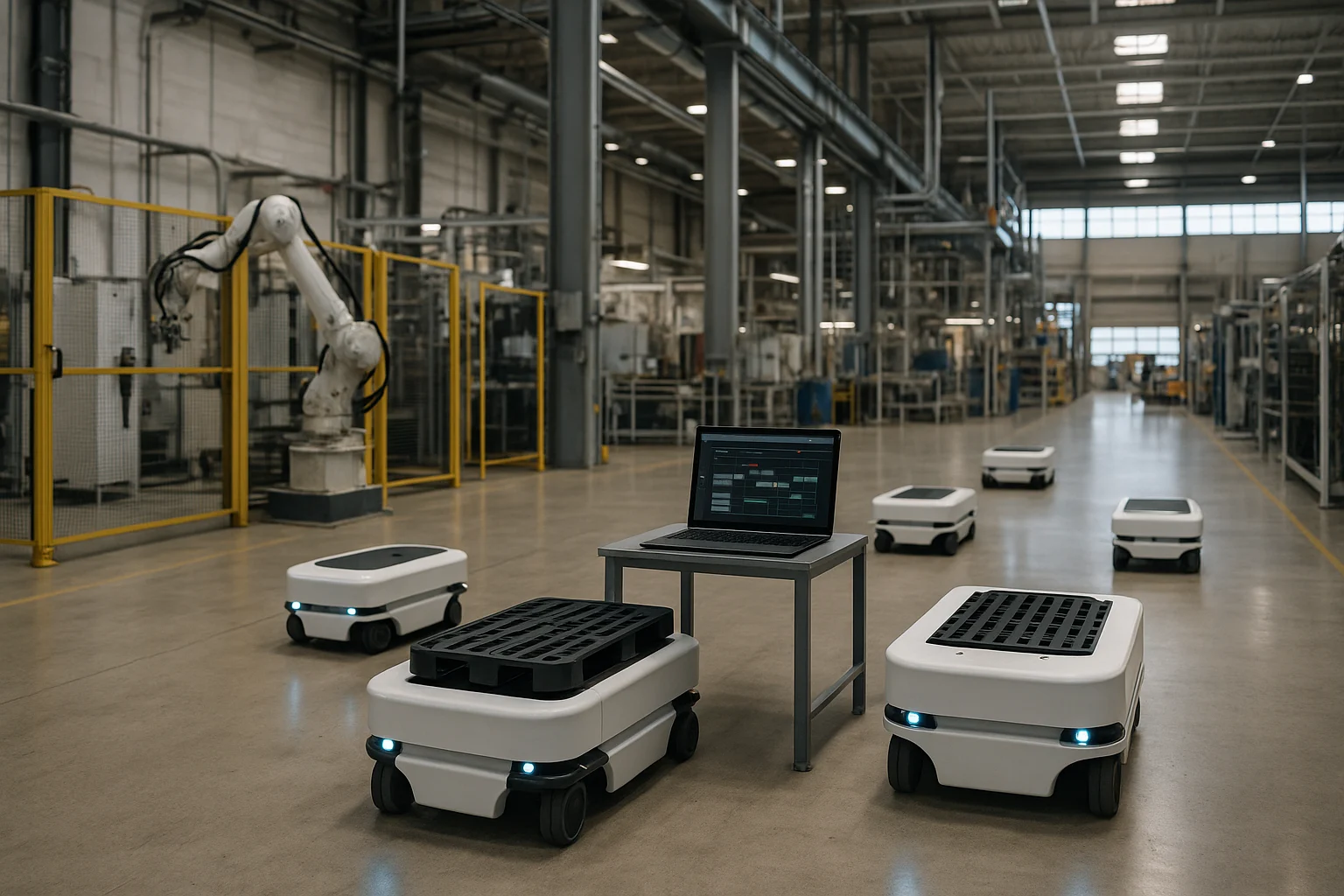
As the industrial sector continues to evolve, the integration of robot fleets and mission scheduling has emerged as a pivotal aspect of automation technology. In this article, we interview Dr. Emily Tran, a leading expert in robotics and automation, to discuss the key trends, challenges, and practical solutions in this rapidly advancing field.
Q1: What are robot fleets, and why are they important in industrial automation?
Dr. Emily Tran: Robot fleets refer to groups of autonomous robots or automated vehicles that work collaboratively to perform tasks in industrial settings. Their importance lies in their ability to enhance efficiency, reduce operational costs, and improve safety. By deploying multiple robots, manufacturers can increase throughput and flexibility, adapting to varying production demands quickly.
Q2: How does mission scheduling optimize the operation of robot fleets?
Dr. Emily Tran: Mission scheduling is crucial as it involves the planning and execution of tasks assigned to each robot within the fleet. By optimizing mission scheduling, organizations can minimize idle time, streamline workflows, and ensure that resources are allocated effectively. Advanced algorithms can analyze real-time data to dynamically adjust schedules based on operational changes, ultimately improving productivity.
Q3: What technologies facilitate the integration of robot fleets and mission scheduling?
Dr. Emily Tran: Several technologies play a role in facilitating this integration. Key among them are:
- Artificial Intelligence (AI): AI algorithms help robots learn from their environments and improve their operational efficiency over time.
- Machine Learning: This technology enables robots to adapt to new tasks without needing explicit programming, thereby enhancing flexibility.
- IoT Connectivity: Internet of Things (IoT) devices provide real-time data about operational conditions, allowing robots to make informed decisions.
- Cloud Computing: Centralized data processing in the cloud supports complex mission scheduling and fleet management tasks.
Q4: Can you explain how industries like manufacturing and logistics benefit from robot fleets?
Dr. Emily Tran: In manufacturing, robot fleets can automate repetitive tasks such as assembly or quality control, leading to faster production times and lower error rates. In logistics, these fleets can handle the picking, packing, and shipping of goods, significantly reducing labor costs and increasing accuracy in inventory management.
Q5: What are some challenges faced in implementing robot fleets and mission scheduling?
Dr. Emily Tran: Some common challenges include:
- Integration with Existing Systems: Many organizations struggle with integrating new robotic solutions with their legacy systems.
- High Initial Investment: The upfront costs of robots and necessary infrastructure can be a barrier for many companies.
- Skill Gaps: There is often a lack of skilled professionals who can operate and maintain advanced robotic systems.
Q6: What trends do you foresee in the future of robot fleets and mission scheduling?
Dr. Emily Tran: The future will likely see an increase in the collaboration between robots and humans, with more intuitive interfaces. There will also be advancements in AI, enabling robots to make more autonomous decisions. Additionally, as 5G technology becomes more widespread, we can expect faster data transmission, leading to more coordinated fleet operations.
Q7: How can companies prepare for the transition to robotic automation?
Dr. Emily Tran: Companies should start by assessing their current processes and identifying areas where automation can add value. Investing in employee training and development is critical to bridge the skill gap. It’s also wise to pilot smaller robotic projects before scaling up to full fleets, allowing organizations to understand the technology's impacts without a significant risk.
Conclusion
The integration of robot fleets and mission scheduling is not just a trend but a necessary evolution for industries looking to remain competitive in a rapidly changing market. As organizations continue to embrace these technologies, they will unlock new levels of efficiency and productivity, setting the stage for the future of industrial automation. Understanding these concepts is critical for engineers, architects, and real estate professionals as they plan and implement solutions in the ever-evolving landscape of automation.