The Future of Predictive Maintenance in Industrial Automation: Navigating Opportunities and Risks
This article explores the landscape of predictive maintenance in the industrial automation sector, examining key market drivers, potential risks, and a forward-looking analysis for the next 12-24 months, tailored for industry professionals.
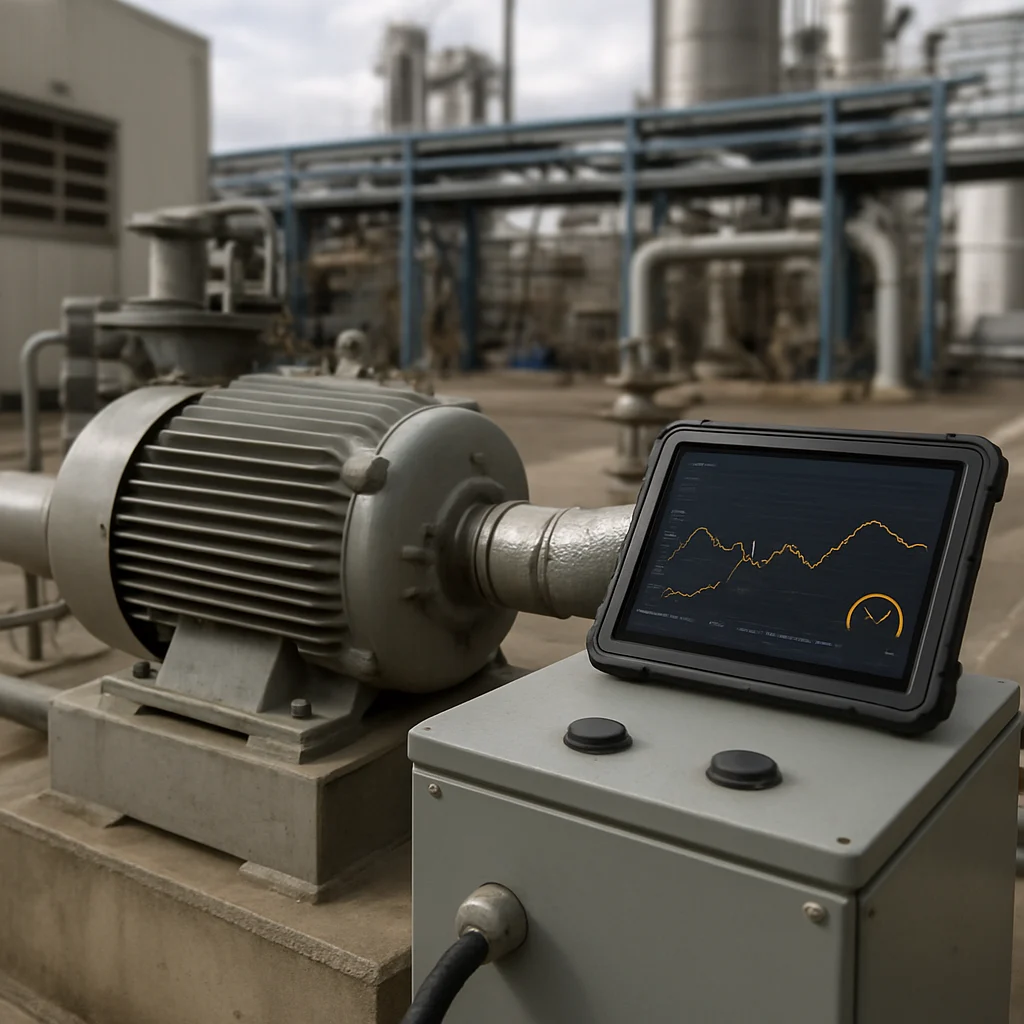
The realm of industrial automation is transforming rapidly, integrating advanced technologies that not only enhance operational efficiency but also drive significant cost savings. Among these technologies, predictive maintenance stands out as a pivotal strategy for managing critical assets. As industries continue to evolve, understanding the market outlook for predictive maintenance becomes essential for engineers, architects, builders, and real estate professionals navigating this landscape.
Understanding Predictive Maintenance
Predictive maintenance employs data-driven techniques and technologies to predict when equipment failures might occur, allowing organizations to perform maintenance at optimal times. This approach contrasts with traditional maintenance strategies, such as reactive maintenance (fixing after failure) and preventive maintenance (scheduled interventions), providing a more efficient and cost-effective model.
Market Drivers for Predictive Maintenance
- Technological Advancements: The proliferation of IoT devices, artificial intelligence, and machine learning algorithms has made it easier to collect and analyze data from machinery. These advancements enhance the accuracy of predictive models, thereby facilitating timely interventions.
- Cost Reduction: By anticipating failures, companies can significantly reduce downtime and maintenance costs, translating into better ROI. A study by Deloitte found that predictive maintenance can lead to a 30% reduction in maintenance costs.
- Increased Asset Longevity: Effective predictive maintenance extends the lifespan of critical assets, ensuring that organizations get the most out of their investments.
- Regulatory Compliance: As industries face increasing regulations, especially in sectors like manufacturing and energy, predictive maintenance can help organizations meet compliance standards by ensuring equipment operates within required parameters.
- Focus on Sustainability: Companies are increasingly prioritizing sustainability, and predictive maintenance contributes by reducing waste and energy consumption associated with unplanned downtimes.
Risks Associated with Predictive Maintenance
- Data Security Concerns: With increased reliance on connected devices, there is also an elevated risk of cyberattacks, necessitating robust security protocols to safeguard sensitive information.
- Implementation Costs: Although predictive maintenance offers long-term savings, the initial investment in technology, workforce training, and system integration can be substantial.
- Data Quality Issues: The effectiveness of predictive maintenance hinges on the quality of the data collected. Inaccurate or incomplete data can lead to incorrect predictions, undermining trust in the system.
- Resistance to Change: Organizations may encounter internal resistance when shifting from traditional maintenance strategies to predictive maintenance due to cultural or operational inertia.
Market Outlook for the Next 12-24 Months
As organizations in the USA continue to embrace industrial automation, the market for predictive maintenance is poised for significant growth. Analysts forecast a compound annual growth rate (CAGR) of over 30% in this sector over the next two years. Key components of this outlook include:
1. Adoption Across Sectors
Predictive maintenance is not limited to manufacturing. Industries such as healthcare, transportation, and energy are realizing its benefits, broadening the market's scope.
2. Increased Investment in AI and IoT
In 2024, spending on IoT devices is projected to exceed $1 trillion globally. This investment facilitates the development of more sophisticated predictive maintenance solutions, thus enhancing market growth.
3. Evolution of Workforce Skills
The demand for skilled professionals with expertise in data analysis, machine learning, and automation technology will expand. Organizations will likely invest in training programs to cultivate talent capable of leveraging predictive maintenance effectively.
4. Regulatory Changes
As regulations evolve to address safety and environmental concerns, industries will increasingly adopt predictive maintenance to ensure compliance, further driving market demand.
Conclusion
Predictive maintenance in industrial automation is not just a trend; it represents a formidable shift towards more innovative, data-driven operational strategies. As market drivers like technological advancements and cost efficiency propel the adoption of predictive maintenance, professionals in engineering, architecture, and real estate must stay informed about its implications. While risks remain, the benefits—ranging from reduced costs to extended asset longevity—underscore the importance of integrating predictive maintenance into organizational frameworks. As the next 12-24 months unfold, those who strategically embrace this shift will likely enjoy a competitive advantage in the increasingly dynamic marketplace of industrial automation.