The Integration of Collaborative Robots (Cobots) in Manufacturing Lines: A Game Changer in Industrial Automation
Discover how collaborative robots (cobots) are revolutionizing manufacturing lines by enhancing efficiency, safety, and productivity. This article delves into their applications, benefits, and future prospects in industrial automation.
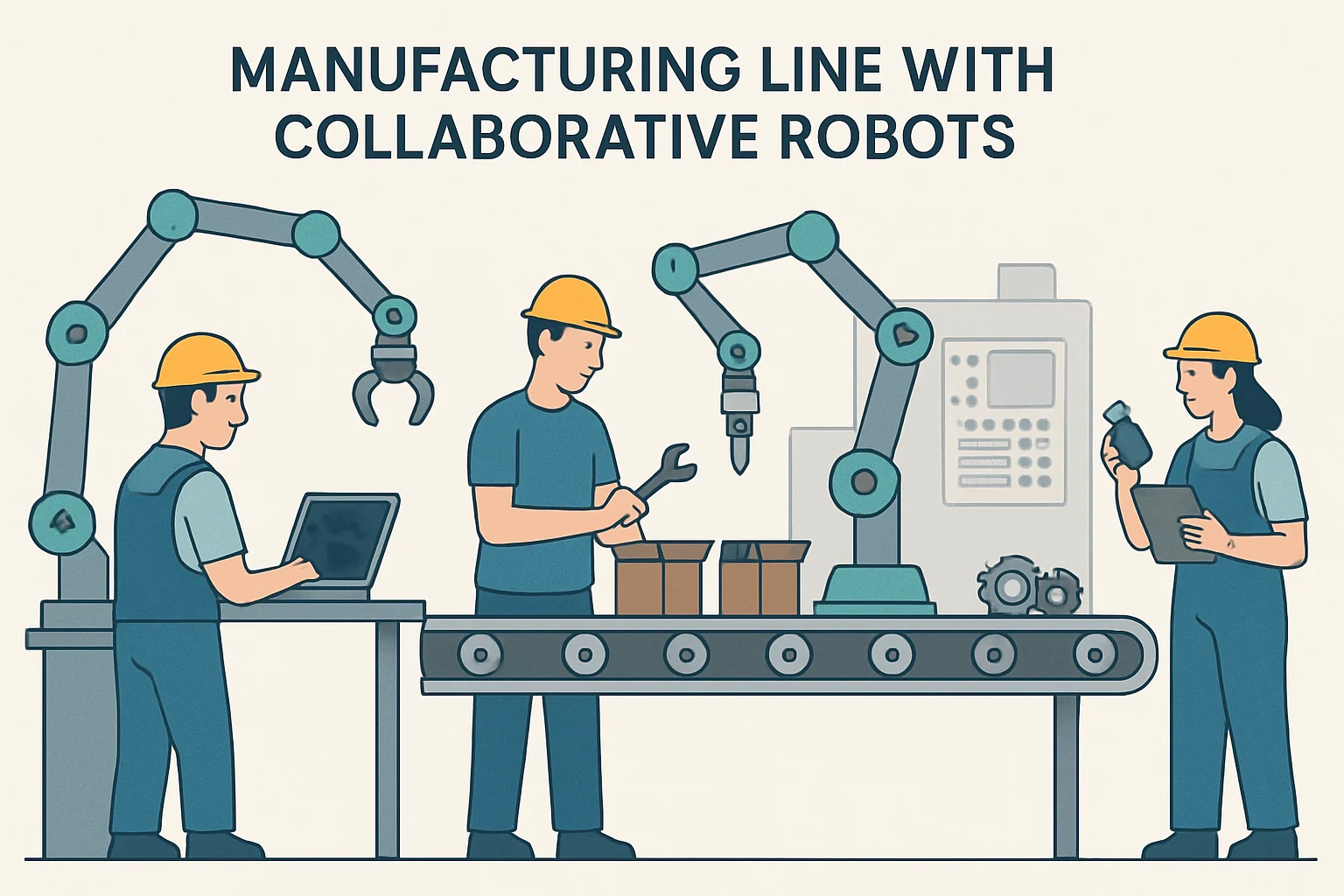
The manufacturing industry has witnessed significant transformation over the past few decades, driven by technological advancements. One such change is the integration of collaborative robots, popularly known as cobots, into production lines. Unlike traditional industrial robots that operate independently, cobots are designed to work alongside human operators, enhancing productivity while maintaining a safe working environment. This article delves deep into the role of cobots in manufacturing lines, their benefits, challenges, and future prospects.
Understanding Cobots: Definition and Functionality
Collaborative robots, or cobots, are specifically engineered to assist human workers in various tasks, ranging from assembly and packaging to material handling and quality control. Their design allows them to work safely alongside people without the need for extensive safety barriers or cages. This collaborative nature opens the door to a multitude of applications within manufacturing environments.
Cobots are equipped with advanced sensors, camera systems, and artificial intelligence (AI), allowing for precise interaction and real-time responsiveness. They can learn from their human counterparts and adapt to changes in the workspace, making them versatile tools for modern manufacturing.
Key Benefits of Integrating Cobots into Manufacturing Lines
- Enhanced Productivity: Cobots can operate continuously without fatigue, significantly increasing output and efficiency in production lines.
- Improved Safety: By taking over repetitive and potentially hazardous tasks, cobots reduce the risk of injury, safeguarding human workers.
- Cost-Effectiveness: Implementing cobots is often more economical than traditional industrial robots due to lower upfront costs and the reduced need for extensive training.
- Flexibility: Cobots can be easily reprogrammed and redeployed, making them suitable for various tasks and adaptable to changing production needs.
- Quality Control: Equipped with machine vision technology, cobots can enhance quality control by identifying and sorting defective products automatically.

Cobot Applications in Different Manufacturing Sectors
Cobots have found applications across various manufacturing sectors, showcasing their versatility:
Automotive Industry
In the automotive sector, cobots assist human workers in assembling components, applying adhesives, and performing inspections. Their ability to work with precision helps maintain high-quality standards.
Electronics Manufacturing
Manufacturers of electronic devices utilize cobots for tasks such as soldering, component insertion, and testing. Their precision and speed contribute to maximizing production efficiency.
Food and Beverage
Cobots are increasingly employed in the food industry for packaging, sorting, and quality inspections, ensuring compliance with safety regulations while optimizing workflow.
Consumer Goods
In consumer goods manufacturing, cobots streamline assembly and packaging processes, allowing companies to adapt to fluctuating market demands quickly.
Challenges and Considerations for Cobot Integration
Despite their numerous advantages, integrating cobots into manufacturing lines comes with specific challenges that organizations must navigate:
- Workforce Resistance: Employees may be resistant to adopting new technologies due to fear of job displacement. Proper training and communication can alleviate these concerns.
- Technical Limitations: While cobots are highly capable, there are still constraints regarding their handling capacity and the complexity of tasks they can perform compared to traditional robots.
- Integration with Legacy Systems: Integrating cobots into existing manufacturing processes may require updating legacy equipment and systems, which can be costly and time-consuming.
The Future of Cobots in Manufacturing
The future of cobots in the manufacturing sector appears promising. As technology advances, cobots will become even more sophisticated, capable of performing increasingly complex tasks autonomously. The trend toward Industry 4.0 will further drive the adoption of cobots as they begin to integrate seamlessly with IoT (Internet of Things) devices, allowing for smarter manufacturing processes.
Furthermore, with the rise of e-commerce, the demand for faster production and delivery times will necessitate the use of cobots to maintain a competitive edge. As manufacturers continue to embrace automation, the role of cobots will expand, becoming an integral part of the workforce.
Conclusion
In conclusion, the integration of collaborative robots in manufacturing lines signifies a transformative leap in industrial automation. Cobots enhance productivity, safety, and flexibility while addressing the challenges of modern manufacturing. As we move forward, it is crucial for businesses to embrace this technological evolution to stay competitive in an ever-evolving marketplace. By understanding the potential of cobots and strategically implementing them, manufacturers can prepare for a future that is collaborative, efficient, and innovative.