Creative Uses for Mini LED Lights in Modern Homes, DIY Projects, and Specialty Applications
Discover how mini LED lights are transforming modern home décor, DIY projects, hobby work, and automotive customization with their compact design and brilliant efficiency. This guide explores practical and decorative uses for these versatile lighting solutions.
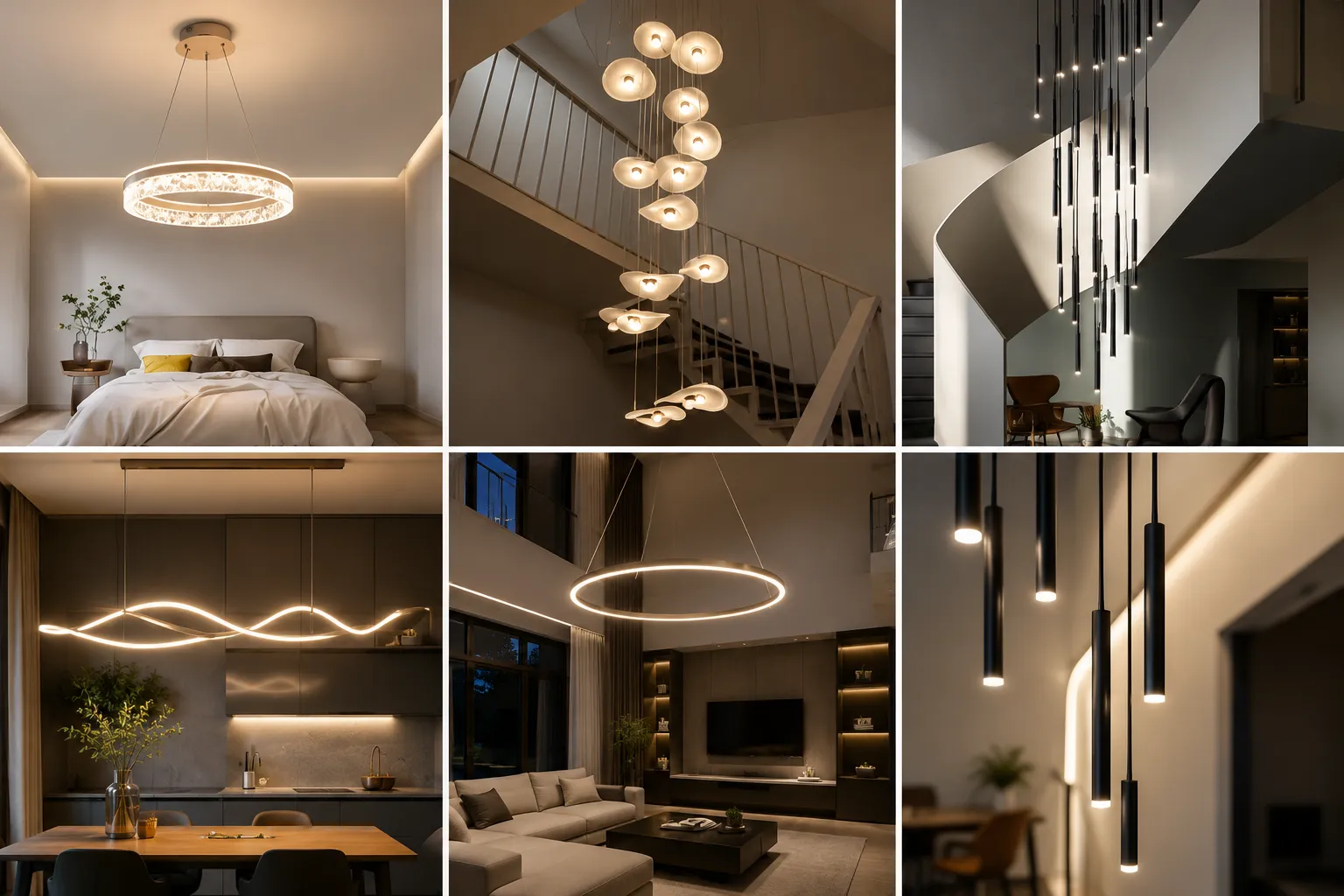
Compact lighting solutions are no longer just a niche product; they are fundamentally changing how we approach interior design, hobbies, and creative projects. Gone are the days of bulky, inefficient bulbs dictating our creative limits. Today, tiny yet powerful LEDs are unlocking new possibilities, allowing for illumination in spaces once thought impossible to light.
From subtle architectural accents to intricate hobbyist models, the flexibility of miniature lighting is empowering homeowners and creators to bring their visions to life with precision and style. This guide explores the diverse world of mini LED lights and how they are becoming an indispensable tool for modern innovation.
Why Compact LED Lighting Is Becoming More Popular
The shift toward smaller living spaces and minimalist design has fueled demand for compact lighting solutions. Homeowners and designers now prioritize lighting that is both functional and seamlessly integrated into the environment, rather than serving as a bulky focal point.
This trend favors flexible lighting designs that can be adapted to unique architectural features. The energy efficiency of LEDs also plays a crucial role, offering significant long-term savings and a reduced environmental footprint compared to traditional lighting.
Modern decorative applications, such as backlighting, cove lighting, and under-cabinet illumination, rely on these discreet sources to create ambiance and highlight textures without overwhelming a room's aesthetic.
What Makes Mini LED Lighting Different?
While all LEDs are efficient, mini LEDs stand apart due to their unique combination of features that make them exceptionally versatile for detailed applications.
- Compact Size: Their incredibly small footprint allows them to be installed in tight spaces where traditional bulbs could never fit, such as inside models, along thin shelving, or within electronic enclosures.
- Brightness Efficiency: Despite their size, they produce a surprising amount of light. This high lumen-per-watt output makes them perfect for both accent and functional task lighting.
- Versatility: Available in various colors, voltages, and form factors (from individual diodes to pre-wired strings), they can be adapted to nearly any project. The market offers a wide variety of Mini LED Lights, each designed for specific voltages and brightness levels.
- Installation Flexibility: Many mini LEDs come with pre-soldered wires or adhesive backing, simplifying installation for both professionals and DIY enthusiasts. Their low heat output also means they can be safely placed near sensitive materials.
Home Décor and Accent Lighting Applications
In modern homes, lighting is as much about mood as it is about visibility. Mini LEDs excel at creating sophisticated layers of light that enhance a home's architecture and décor.
Shelf and Bookcase Lighting
Placing small LED strips along the front or back edge of shelves creates a beautiful floating effect. This accent lighting draws attention to decorative objects, books, or collectibles, transforming a simple storage unit into a stunning display.
Under-Cabinet Illumination
In kitchens and workshops, mini LEDs provide brilliant task lighting for countertops. They eliminate shadows cast by overhead fixtures, making food preparation safer and more enjoyable. The result is a clean, modern look that enhances functionality.
Bedroom Ambiance
For a soft, relaxing glow, these lights can be installed behind headboards, along the base of a bed frame, or around mirrors. This type of decorative LED lighting creates a hotel-like ambiance perfect for unwinding at the end of the day.
Gaming and Entertainment Setups
Gamers and home theater enthusiasts use mini LEDs to backlight monitors, desks, and TV screens. This reduces eye strain in dark rooms and creates an immersive experience that syncs with on-screen action for a dynamic effect.
DIY Projects and Hobby Lighting
The DIY and hobbyist communities have embraced miniature lighting for its ability to add realism and flair to their creations. This is where the small size and low power draw become truly transformative.
Model Building and Dioramas
From architectural models and dollhouses to intricate sci-fi dioramas, mini LEDs bring miniature worlds to life. They can be used to light up buildings, vehicle headlights, and landscapes, adding a layer of realism that was once difficult to achieve. Finding the right small led lights for a detailed model or custom electronic project is easier than ever.
Crafts and Wearable Electronics
Crafters integrate these lights into everything from holiday decorations to custom clothing and cosplay costumes. Their lightweight nature and ability to run on small batteries make them ideal for portable and wearable DIY lighting ideas.
Workshop and Precision Task Lighting
In a workshop, focused lighting is critical. Mini LEDs can be mounted on tools, magnifying glasses, or soldering stations to illuminate precise work areas without creating clutter or heat.
Automotive and Specialty Lighting Uses
The automotive world is another area where compact lighting solutions have made a significant impact, allowing for customization that enhances both style and safety.
Custom Dashboard and Interior Lighting
Automotive enthusiasts use mini LEDs to upgrade or customize their vehicle's interior. They can replace dim factory bulbs in the instrument cluster, illuminate footwells, or create custom accent lighting around the center console and door panels for a unique, high-end look.
Motorcycle and Powersport Accent Lighting
Due to their durability and low power draw, small LED lights are perfect for adding visibility and style to motorcycles, ATVs, and boats. They can be used as engine bay accents, ground effects, or extra running lights to improve conspicuity on the road.
Portable and Emergency Lighting
The efficiency of mini LEDs makes them ideal for battery-powered portable devices. They are commonly found in high-performance flashlights, camping lanterns, and emergency kits, providing reliable light when it's needed most.
Energy Efficiency and Long-Term Benefits
Beyond their creative applications, mini LED lights offer substantial practical advantages that make them a smart long-term investment.
- Low Power Consumption: They use a fraction of the energy of incandescent or halogen bulbs, leading to lower electricity bills and less strain on batteries in portable applications.
- Exceptional Durability: As solid-state devices, LEDs are resistant to shock and vibration, making them far more durable than fragile filament bulbs.
- Low Heat Output: They generate very little heat, which makes them safer to use in enclosed spaces and near delicate materials like wood, fabric, or plastic.
- Long Lifespan: With lifespans often exceeding 25,000 hours, these lights require infrequent replacement, saving both time and money on maintenance.
Common Mistakes When Choosing Small LED Lighting
To get the best results, it’s important to avoid common pitfalls. Choosing the wrong product can lead to flickering, premature failure, or a disappointing final look.
- Incorrect Voltage Selection: Always match the LED's voltage rating to your power source. Using a 12V LED with a 3V battery will result in no light, while connecting a 3V LED to a 12V source without a resistor will burn it out instantly.
- Poor Placement: Avoid placing LEDs where they create glare or uneven hotspots. Good lighting design is about the effect of the light, not seeing the source itself. Diffusers or strategic placement can soften the output.
- Ignoring Waterproofing Needs: For outdoor, automotive, or marine applications, ensure you select LEDs with an appropriate IP (Ingress Protection) rating to protect against moisture and dust.
- Choosing Low-Quality Products: Inexpensive, unbranded LEDs often suffer from poor color consistency and a short lifespan. Sourcing from reputable suppliers ensures better performance and reliability.
Final Recommendations for Choosing Mini LED Lighting
Selecting the right light for your project is key to success. Keep these final considerations in mind:
- Select the Right Brightness (Lumens): For accent lighting, a lower lumen output is often sufficient. For task lighting, look for brighter options. Always check the lumen rating, not just the wattage.
- Balance Size and Performance: The smallest LEDs may not be the brightest. Choose a size that fits your physical constraints while still providing the light output you need.
- Choose Reliable Suppliers: A good supplier provides detailed product specifications, including voltage, current draw, and color temperature, helping you make an informed decision.
- Match the Lighting to Your Goal: Whether you need a warm, inviting glow for a bedroom or a crisp, white light for a workspace, selecting the right color temperature (measured in Kelvin) is crucial for achieving the desired mood.
Frequently Asked Questions (FAQ)
What are mini LED lights best for?
Mini LED lights are best for applications requiring compact, efficient, and versatile illumination. They excel at accent lighting in home décor, detailed lighting for hobbies and models, custom automotive lighting, and any DIY project where space is limited.
Are mini LED lights difficult to install?
Installation difficulty varies by application. Many mini LED products, like adhesive-backed strips, are very user-friendly for beginners. Projects requiring individual diodes may involve basic soldering and wiring, which is a common skill in the DIY and electronics hobbies.
Do mini LEDs need a resistor?
Yes, in many cases. Individual LED diodes require a current-limiting resistor when connected to a power source with a higher voltage than the LED's forward voltage. This prevents the LED from drawing too much current and burning out. However, many pre-wired LED modules and strips have resistors built-in.
How are mini LEDs powered?
Mini LEDs can be powered in various ways, including small coin cell batteries, standard AA/AAA batteries, USB power banks, or by connecting to a low-voltage DC power supply (like a 12V adapter) for home or automotive use. Always check the product's voltage requirements.