Premium Kitchens for High-End Restaurants and Hospitality Projects
A professional guide to premium kitchen design for restaurants and hospitality projects, covering durable materials, custom cabinetry, workflow, hygiene, equipment integration, and high-end aesthetics.
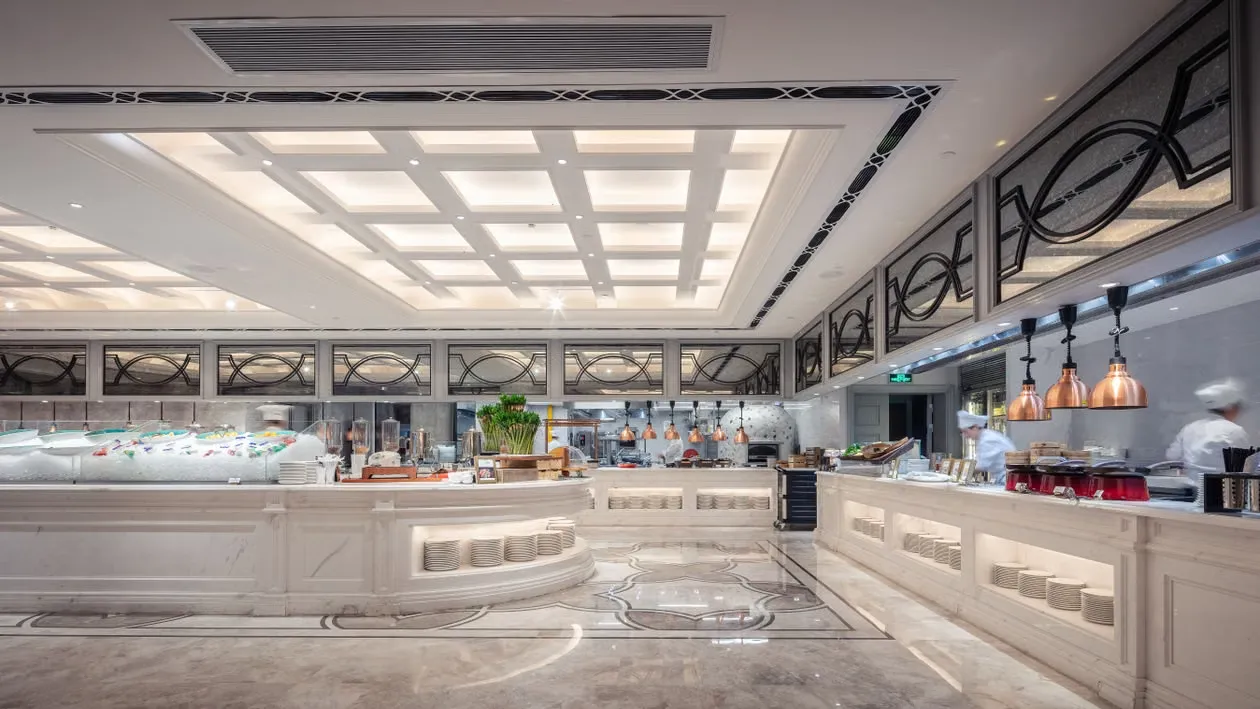
In the world of commercial interiors, premium kitchen design is no longer a luxury reserved for private residences. For high-end restaurants, boutique hotels, serviced apartments, and hospitality developments, the kitchen has become a strategic space that directly impacts operational efficiency, brand perception, and guest experience. For interior designers and contractors, specifying the right kitchen solution is essential to balancing visual impact, durability, hygiene, and workflow.
Today’s hospitality clients expect more than a functional back-of-house area. They want a kitchen environment that reflects the same level of craftsmanship and sophistication found in the dining room, lobby, and guest suites. This is where a well-planned premium kitchen becomes a competitive advantage.
Why Premium Kitchens Matter in Hospitality Design
A commercial kitchen in a luxury hospitality project serves multiple purposes. It must support fast-paced operations, comply with strict health and safety standards, and withstand intensive daily use. At the same time, it needs to align with the aesthetic language of the project.
For restaurants and hospitality spaces, the kitchen is not only a production zone. It can also be a showpiece, especially in open-kitchen concepts, chef’s counters, and live cooking environments. A thoughtfully designed premium kitchen helps create a seamless connection between functionality and design.
From a contractor’s perspective, a premium kitchen specification reduces maintenance issues, extends service life, and improves project value. For interior designers, it offers the flexibility to integrate refined finishes, custom storage, and professional-grade detailing without sacrificing performance.
Key Features of a Premium Kitchen for Commercial Projects
A successful hospitality kitchen must combine precision engineering with high-end aesthetics. The best solutions are typically customized to the project’s exact requirements.
1. Durable Materials Built for Heavy Use
Commercial kitchens experience constant wear from heat, moisture, impact, and cleaning chemicals. Premium kitchen systems should therefore use materials that are resistant to warping, staining, and corrosion. High-performance cabinet substrates, moisture-resistant panels, stainless steel components, and durable surface finishes are all important considerations.
For front-of-house or semi-open layouts, design teams often specify luxury kitchen details that elevate the space visually while maintaining the practical durability needed in a commercial setting.
2. Intelligent Storage and Workflow Optimization
In hospitality environments, efficiency is everything. The kitchen layout must support a smooth flow between prep, cooking, plating, cleaning, and storage. Well-designed luxury kitchen cabinets help organize tools, ingredients, appliances, and supplies in a way that reduces movement and improves productivity.
Custom cabinetry can include deep drawers, pull-out organizers, integrated waste systems, utensil dividers, spice storage, and concealed appliance solutions. These details are especially important in premium kitchens where every inch must be optimized.
3. Hygienic, Easy-to-Clean Surfaces
Sanitation is a non-negotiable requirement in any hospitality kitchen. Smooth, non-porous, and easy-to-maintain surfaces are essential for meeting health standards. Premium surfaces should minimize joints and crevices where dirt and bacteria can accumulate.
Contractors should prioritize finishes that are resistant to moisture and simple to wipe down. Designers may also want to incorporate seamless backsplashes, integrated sinks, and easy-access service zones to streamline cleaning and maintenance routines.
4. Aesthetic Coordination with the Overall Project
In luxury hospitality developments, the kitchen should feel like a natural extension of the brand. A premium kitchen specification should coordinate with the project’s broader interior concept, whether that means contemporary minimalism, classic elegance, or modern industrial style.
This is especially relevant when the kitchen is partially visible to guests. Finishes, hardware, color palettes, and lighting should be selected with the same level of care as public-facing areas. A refined high end kitchen design can reinforce the premium positioning of the restaurant or hotel and support a consistent customer experience.
Premium Kitchen Planning for Restaurants
Restaurants present unique design challenges because kitchen performance directly affects service quality. A poorly planned kitchen can lead to bottlenecks, staff frustration, and slower turnaround times. A premium kitchen design should always begin with operational analysis.
Front-of-House vs. Back-of-House Considerations
Open kitchens and exhibition cooking stations require a more polished visual presentation. In these spaces, cabinetry, counters, shelving, and service elements must look intentional and refined. Hidden storage, coordinated hardware, and durable yet attractive finishes are key.
Back-of-house kitchens, on the other hand, demand maximum efficiency. Here, the priority is workflow, hygiene, and resilience. Even so, premium standards still matter. Contractors and designers should avoid generic solutions and instead specify custom components that support the restaurant’s long-term operation.
Equipment Integration
A premium kitchen should allow for seamless integration of appliances and specialty equipment. Refrigeration, ovens, dishwashing stations, warming units, and prep tools should be positioned according to the chef’s workflow and the restaurant’s menu requirements.
Custom millwork and cabinetry play a major role in creating a streamlined environment. Concealed panels, built-in ventilation planning, and tailored storage can make the kitchen both more efficient and more visually refined.
Premium Kitchens for Hospitality Projects
Hotels, resorts, serviced residences, and extended-stay properties often require multiple kitchen types across a single project. A hospitality development may include guest-suite kitchens, staff pantries, banquet preparation areas, and restaurant kitchens. Each of these spaces requires a different balance of aesthetics and function.
Guest Suite and Serviced Apartment Kitchens
In premium hospitality units, the kitchen must deliver a residential feel with commercial-grade durability. Designers often specify compact but elegant cabinetry, integrated appliances, and easy-to-maintain surfaces. These spaces should feel warm, stylish, and efficient.
A well-executed premium kitchen in a suite can significantly improve guest satisfaction and property value. The cabinetry should coordinate with the bedroom, living area, and bathroom materials to create a cohesive whole-unit design.
Banquet and Catering Support Areas
Large hospitality venues often need support kitchens that can handle high-volume preparation. These spaces require exceptional organization and robust construction. Storage systems, loading zones, prep counters, and cleaning stations must be carefully planned.
Even though these are not guest-facing spaces, a premium specification still matters. High-quality materials and custom solutions improve staff performance and reduce long-term replacement costs.
How Interior Designers and Contractors Should Approach Specification
Selecting the right kitchen system for a hospitality project requires collaboration between designers, contractors, operators, and suppliers. The earlier this process begins, the better the results.
Start with the Operational Brief
Before selecting finishes or layouts, clarify the project’s practical requirements:
-
What type of hospitality space is being designed?
-
How many users will work in the kitchen?
-
What is the required level of visibility to guests?
-
Which appliances and equipment must be integrated?
-
What hygiene and maintenance standards apply?
Answering these questions helps define the right premium kitchen solution from the beginning.
Balance Design Ambition with Buildability
Beautiful concepts must still be practical to install and maintain. Contractors should review dimensions, service access, ventilation requirements, and site coordination early in the process. Interior designers should ensure that the chosen materials and details can be executed reliably within the project schedule and budget.
Custom kitchen systems are often the best choice because they allow for greater control over proportions, finishes, and functional details. This is especially true when the kitchen must align with a larger brand standard or design language.
Prioritize Quality in Cabinetry
Cabinetry is one of the most important components of any premium kitchen. It influences storage, appearance, durability, and day-to-day usability. Whether the project requires a show kitchen, a commercial prep area, or a suite kitchenette, high-quality cabinetry can dramatically improve performance.
The right cabinet solution supports long service life, reduces maintenance, and delivers a polished result that reflects the project’s investment level. This is why many professionals specify luxury kitchen cabinets for upscale hospitality environments.
The Business Value of a Premium Kitchen
For developers and operators, premium kitchens are more than a design feature. They support revenue, efficiency, and brand differentiation. In restaurants, a high-quality kitchen contributes to smoother service and stronger customer perception. In hospitality projects, it enhances the guest experience and strengthens the property’s market position.
A premium kitchen can also reduce lifecycle costs. Better materials and smarter planning mean fewer repairs, less downtime, and lower replacement frequency. Over time, this creates measurable value for owners and operators.
For interior designers and contractors, delivering a premium kitchen solution demonstrates professionalism and attention to detail. It also strengthens client trust and increases the likelihood of repeat business and referrals.
Choosing the Right Partner for Hospitality Kitchen Projects
Because hospitality projects are complex, the supplier or manufacturer you choose matters. Look for a partner with experience in custom cabinetry, whole-house coordination, and project-based delivery. They should be able to support design development, technical confirmation, production, and installation coordination.
A reliable partner should also provide flexible customization options, consistent quality control, and strong after-sales support. For premium hospitality work, these capabilities are just as important as aesthetics.
Conclusion
A premium kitchen is a core asset in high-end restaurants and hospitality developments. It supports operational efficiency, strengthens brand identity, and enhances the overall project experience. For interior designers and contractors, the key is to specify solutions that combine durability, custom functionality, and elevated design.
From guest suite kitchenettes to open restaurant show kitchens, the right premium kitchen system can transform a functional area into a refined, high-performing space. Careful planning, quality materials, and intelligent cabinetry design are the foundation of long-term success.
OPPOLIA offers whole-house cabinet customization, including kitchen, bedroom, bathroom, laundry, home office and blacony. Explore more OPPOLIA kitchen cabinets, submit your requirements and get a free quote today!