AI-Augmented Motion Control in Mechatronics Engineering: Transforming Automation and Robotics
This article delves into the integration of AI technologies into motion control systems within mechatronics engineering, exploring its implications for automation, robotics, and engineering design.
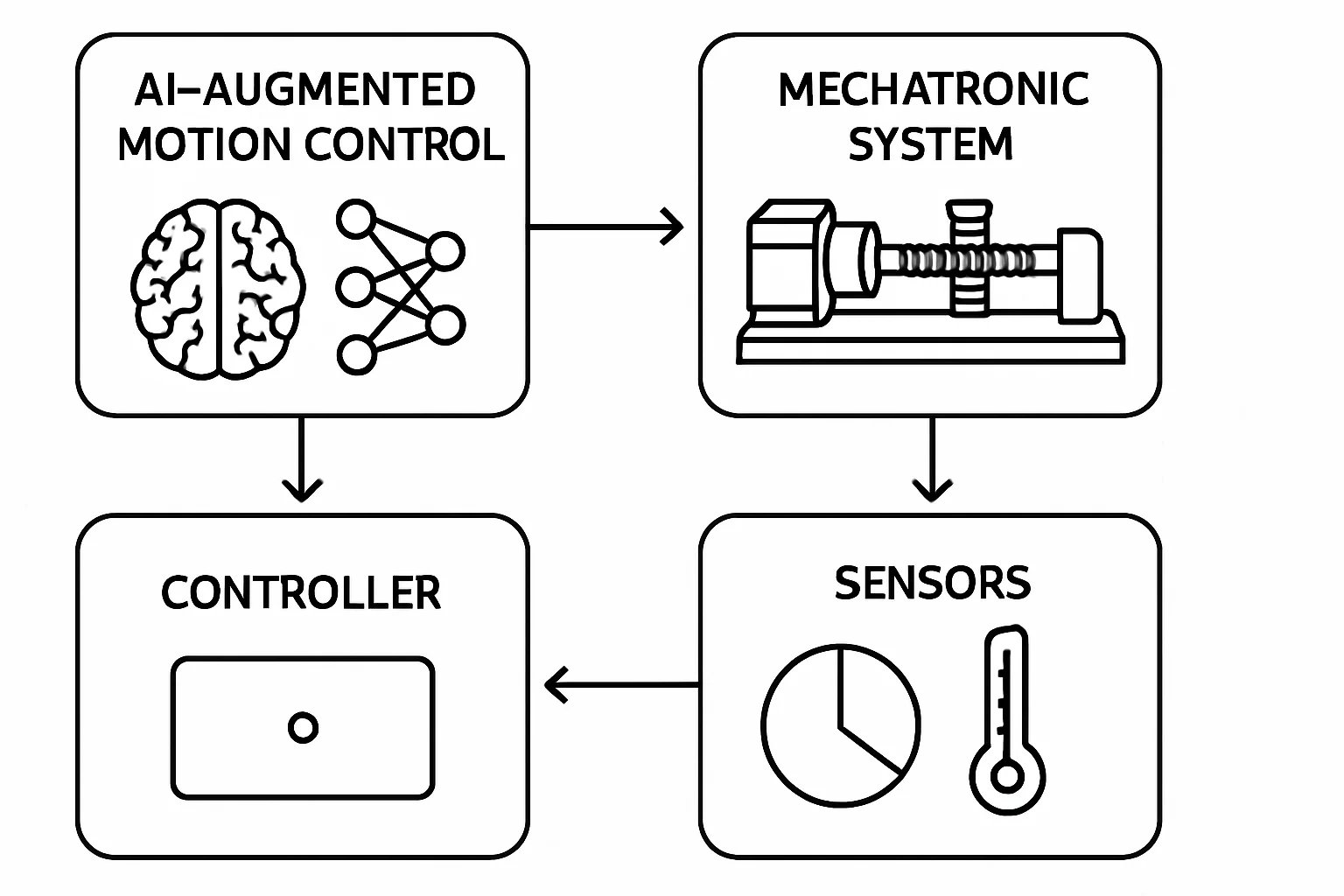
Mechatronics engineering is a multidisciplinary field that synergizes mechanical, electronic, computer, and control engineering, paving the way for cutting-edge technologies in automation and robotics. With the rapid advancement of artificial intelligence (AI), professionals in the industry are increasingly looking towards AI-augmented motion control systems. This integration not only enhances system performance but also transforms the landscape of engineering by enabling more intelligent, adaptive, and efficient solutions.
Understanding Motion Control in Mechatronics
At its core, motion control refers to the process of controlling the movement of a mechanism or system. In mechatronics, this involves a combination of mechanical systems—such as motors and actuators—and electronic systems for feedback and control. Motion control systems can include parameters such as speed, position, acceleration, and torque.
The importance of effective motion control cannot be overstated, especially in areas such as:
- Robotics
- Automated manufacturing systems
- Precision engineering applications
- Automotive systems

The Role of AI in Motion Control Systems
Artificial Intelligence, particularly through machine learning and data analytics, plays a crucial role in optimizing motion control. AI enables systems to learn from historical data, adapt to varying conditions, and make real-time decisions based on environmental inputs. Here are several ways AI augments motion control:
1. Predictive Analysis
AI algorithms can analyze data from motion control systems to predict future states and behaviors. This predictive capability allows for proactive adjustments to system parameters, leading to improved efficiency and reduced wear on mechanical components.
2. Enhanced Control Algorithms
Machine learning can lead to the development of advanced control strategies that outperform traditional PID (Proportional-Integral-Derivative) controllers. These intelligent algorithms can optimize system responses based on real-time feedback, thus achieving smoother and more accurate motion.
3. Fault Detection and Diagnosis
AI systems can continuously monitor the health of motion control components. By employing techniques like anomaly detection, they can identify potential failures before they occur, allowing for timely maintenance and minimizing downtime.
Applications of AI-Augmented Motion Control
As industries look to enhance their automation capabilities, several applications of AI-augmented motion control stand out:
1. Robotics
In robotics, AI enhances the precision of robotic arms and mobile robots for complex tasks such as assembly, welding, and collaborative operations with humans.
2. Autonomous Vehicles
AI-integrated motion control systems govern the real-time decision-making processes that allow for safe navigation, obstacle avoidance, and path planning in autonomous vehicles.
3. Manufacturing Automation
In manufacturing, AI-augmented motion control enhances productivity through adaptive systems that respond to real-time inventory levels and production demands.
Implementing AI in Motion Control Systems
To implement AI successfully in motion control systems, engineers should follow a structured approach:
1. Define the Objectives
Identify specific goals that AI integration aims to achieve, such as reducing cycle times, improving accuracy, or increasing safety.
2. Data Collection
Gather data from existing motion control systems, including sensor data, operational parameters, and maintenance records. This dataset serves as the foundation for training AI models.
3. Choose AI Techniques
Select appropriate AI techniques based on the defined objectives, whether it be machine learning for predictive analysis or neural networks for complex control strategies.
4. System Testing and Validation
Thoroughly test the AI-augmented motion control system under various conditions to ensure reliability and performance before full-scale deployment.
Challenges in AI-Augmented Motion Control
While the benefits of integrating AI into motion control systems are significant, several challenges must be addressed:
1. Data Quality and Volume
AI relies heavily on high-quality data. Ensuring the collection of relevant, accurate, and comprehensive data can be a challenge.
2. Integration Complexity
The integration of AI systems with existing motion control infrastructures can be complex, requiring careful planning and execution to avoid system disruptions.
3. Adaptation to Change
AI systems may need to be continuously updated and retrained as conditions change, which necessitates dedicated resources and expertise.
Conclusion
AI-augmented motion control represents a paradigm shift in mechatronics engineering, with the potential to enhance automation and robotics significantly. By implementing AI technologies, engineers can create systems that are not only more efficient but also capable of adapting to dynamic environments. As the industry continues to evolve, the collaboration between human expertise and artificial intelligence will play a crucial role in shaping the future of mechatronics.