Swarm Robotics in Mechatronics Engineering: A Paradigm Shift for Inventory and Site Mapping
This article explores the integration of swarm robotics within the realm of mechatronics engineering, focusing on its applications for inventory management and site mapping in the USA.
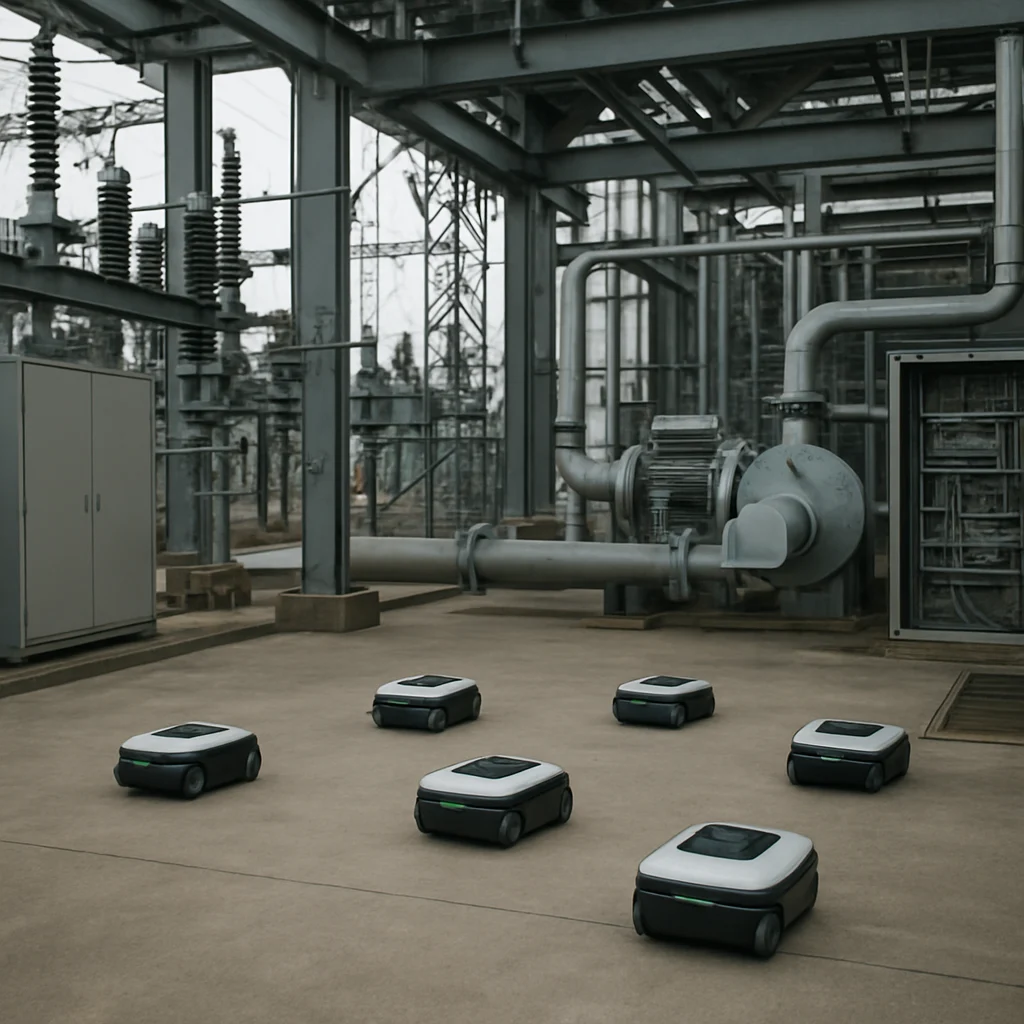
The field of mechatronics engineering has seen significant advancements, particularly with the rise of swarm robotics. This innovative approach utilizes numerous robots that work collaboratively to accomplish complex tasks, such as inventory management and site mapping. In this article, we will delve deeply into the tools and workflows that harness swarm robotics, providing engineers, architects, builders, and real estate professionals in the USA with valuable insights into its applications and benefits.
Understanding Swarm Robotics
Swarm robotics is inspired by the collective behavior of social insects, such as ants or bees, which work together to achieve common objectives. This technology serves to enhance efficiency and robustness in various applications, making it particularly suitable for tasks requiring extensive resource allocation and adaptability, such as inventory management and site mapping.
Applications of Swarm Robotics in Inventory Management
In inventory management, swarm robotics can significantly improve the efficiency of tracking and organizing goods in vast storage spaces. Here are some prominent applications:
- Automated Inventory Checks: Swarm robots can autonomously navigate shelves, scanning items with RFID or barcode technology to ensure accurate inventory counts.
- Real-Time Stock Monitoring: Utilizing machine learning algorithms, these robots can assess stock levels and autonomously signal reordering processes.
- Dynamic Routing: Swarm intelligence allows robots to communicate and coordinate their movements, optimizing paths for faster retrieval and storage of inventory.
Site Mapping with Swarm Robotics
Site mapping using swarm robotics enhances both accuracy and efficiency in surveying land and buildings. Here are key functions:
- 3D Mapping: Swarm robots equipped with LiDAR and cameras can create detailed 3D maps of construction sites, significantly reducing manual labor.
- Terrain Analysis: By employing swarm intelligence, robots can cover extensive areas and gather data that can inform construction decisions.
- Real-Time Data Processing: The ability to process data on-site allows for immediate use of information in project decision-making.
Comparative Analysis of Tools and Workflows
To understand the practical application of swarm robotics in inventory management and site mapping, we compare several leading tools and workflows available in the market. Below is a summary table highlighting the strengths and weaknesses of different systems:
| Tool/Workflow | Primary Functions | Strengths | Weaknesses |
|---|---|---|---|
| Robot Operating System (ROS) | Middleware for robot programming | Open-source, extensive community support, modular architecture | Steep learning curve, requires programming knowledge |
| Swarm Intelligence Framework (SIF) | Collective behavior modeling | Scalability, adaptability to various tasks | Less user-friendly for non-tech users |
| Simultaneous Localization and Mapping (SLAM) | Real-time mapping and navigation | Highly accurate, real-time data processing | Resource-intensive, may require significant hardware |
| UAV-Based Robotics | Aerial mapping and surveying | Coverage of large areas, high-resolution data | Dependent on weather conditions, regulations |
| Autonomous Mobile Robots (AMRs) | Warehouse navigation and transportation | Enhances operational efficiency, reduces labor costs | Initial investment costs can be high |
Challenges in Implementing Swarm Robotics
While the benefits of swarm robotics are vast, some challenges exist that organizations must consider:
- Integration with Existing Systems: Incorporating swarm robotics into current infrastructure can be complex and may require significant adjustments.
- Cost of Technology: The initial investment in swarm robotics and associated technologies can be prohibitive for smaller businesses.
- Technical Expertise: A skilled workforce is necessary to manage and maintain robotic systems, which can be a barrier for some companies.
Conclusion
Swarm robotics represents a revolutionary approach to mechatronics engineering, offering substantial improvements in inventory management and site mapping. By understanding the tools and workflows available, as well as the potential challenges, engineers, architects, builders, and real estate professionals in the USA can effectively harness this technology to enhance operational efficiency, reduce costs, and improve accuracy. As the field continues to evolve, embracing swarm robotics may prove essential for staying competitive in the modern marketplace.