Investing in the Urban Future: A Guide to Real Estate Opportunities in Smart Cities
Explore the next frontier of urban development with our guide to real estate opportunities in smart cities. Learn to identify and evaluate high-value assets, from 5G-enabled properties to sustainable residential districts, and position your portfolio for the future.
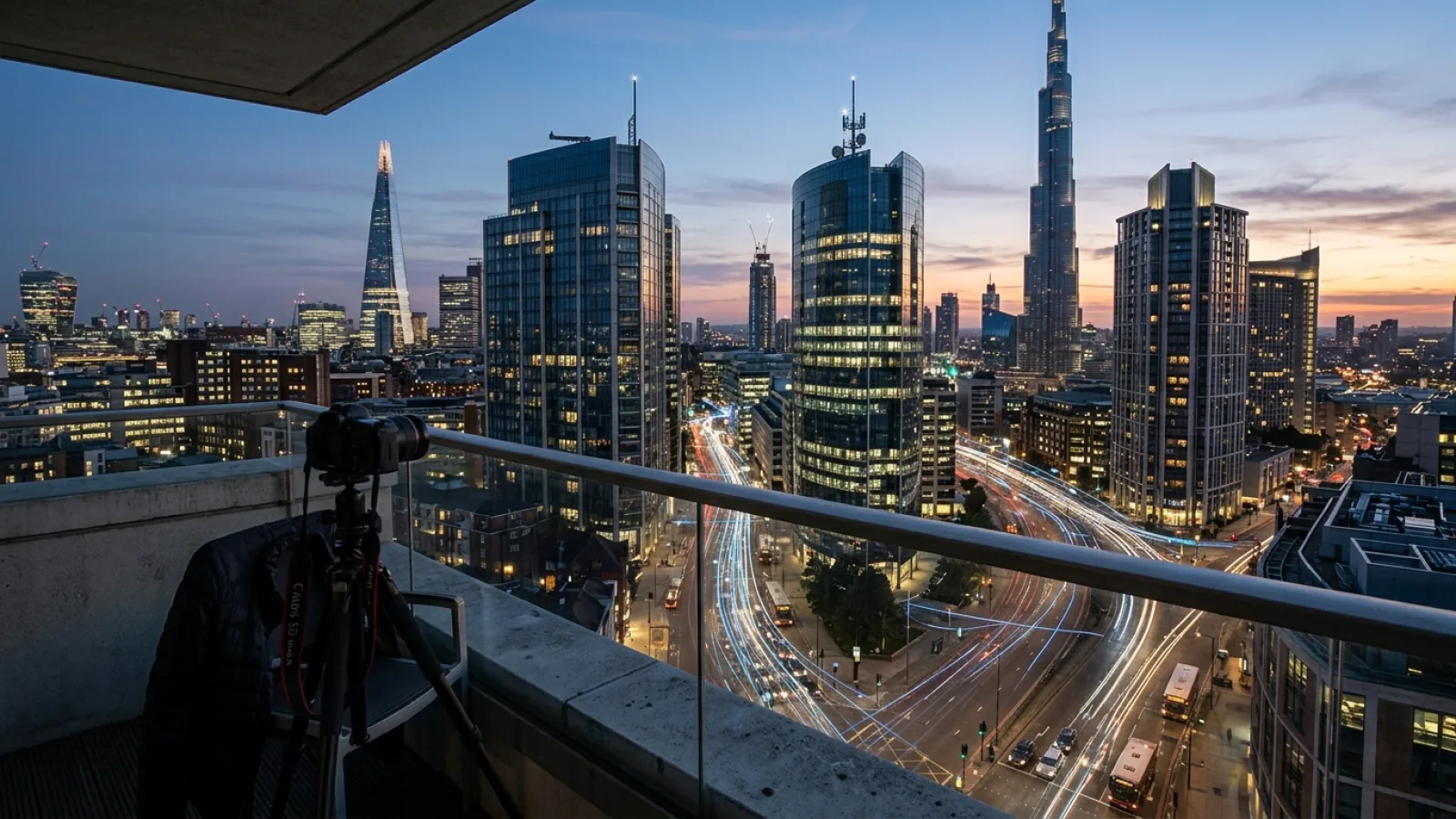
The concept of the city is undergoing a profound transformation. From a real estate investor's perspective, a smart city is not merely a collection of buildings with advanced technology; it is a data-driven urban ecosystem where digital infrastructure enhances operational efficiency, promotes sustainability, and elevates the quality of life for its inhabitants. This integration of the physical and digital realms is creating a new asset class, fundamentally altering how we value, develop, and manage properties. This guide provides a strategic framework for identifying, evaluating, and capitalizing on the next generation of real estate opportunities emerging from this global trend.
At the core of this evolution is a robust technological backbone. The convergence of the Internet of Things (IoT), 5G connectivity, and data analytics platforms creates the central nervous system of a modern metropolis. Companies like Cisco provide the foundational technology for smart cities, enabling everything from intelligent traffic management to smart grid energy distribution. For investors, understanding this digital layer is no longer optional—it is the key to unlocking superior returns and future-proofing assets against obsolescence.
The Investment Thesis: Why Smart Cities are a Real Estate Goldmine
The case for smart city real estate investment is built on powerful, long-term secular trends. These environments are not just technologically advanced; they are designed to be more resilient, efficient, and desirable places to live and work, creating a durable competitive advantage that translates directly into asset value.
Population Growth and Urbanization Pressures
The world continues to urbanize at a rapid pace, placing immense strain on existing infrastructure, housing, and resources. Smart cities offer a direct response to these challenges. By using technology to optimize transportation, manage energy consumption, and streamline public services, they can support higher population densities more sustainably. For investors, this means properties located in well-managed smart districts are likely to experience stronger demand, higher occupancy rates, and more stable rent growth over the long term.
The Drive for Sustainability and Efficiency
Environmental, Social, and Governance (ESG) criteria are increasingly central to institutional investment mandates. Smart cities are inherently aligned with these principles. Smart buildings equipped with IoT sensors can reduce energy consumption by 30-50%, while smart grids facilitate the integration of renewable energy sources. This focus on efficiency not only lowers operating costs for property owners but also attracts premium corporate and residential tenants who prioritize sustainability, commanding higher rents and valuations.
Data as the New Utility: Monetizing Urban Analytics
In a smart city, data is a critical utility, much like water or electricity. Buildings and infrastructure continuously generate vast amounts of data on everything from foot traffic and energy usage to air quality and space utilization. This information allows property managers to optimize operations in real-time, offer personalized services to tenants, and create new revenue streams. For example, retail property owners can use anonymized footfall data to offer dynamic pricing to tenants, while office landlords can sell space utilization analytics to corporate clients, transforming a traditional lease into a value-added service.
Key Investment Verticals in Smart City Real Estate
The smart city paradigm creates distinct opportunities across a range of real estate asset classes. Investors who can identify these high-growth verticals will be well-positioned to outperform the broader market.
Integrated Mobility and Transit-Oriented Development (TOD)
Smart cities are redesigning urban mobility around efficiency and connectivity. This creates prime opportunities for transit-oriented development (TOD) around smart transit hubs that integrate rail, bus, ride-sharing, and micro-mobility services. Investment focus should be on mixed-use developments that feature residential, commercial, and retail components within walking distance of these hubs. Furthermore, the rise of electric vehicles (EVs) creates demand for properties with integrated, large-scale EV charging infrastructure, while the eventual arrival of autonomous vehicles will necessitate a new class of urban depots for fleet management and maintenance.
Smart Logistics and Last-Mile Distribution Centers
The e-commerce boom has intensified the need for sophisticated logistics facilities located close to urban population centers. In a smart city context, these are not traditional warehouses. They are highly automated, tech-enabled distribution centers that use predictive analytics to manage inventory and robotics to fulfill orders. Investing in these 'last-mile' facilities, which are critical for same-day delivery services, offers exposure to one of the fastest-growing segments of the industrial real estate market.
5G-Enabled Commercial and Mixed-Use Properties
The rollout of 5G is a game-changer for commercial real estate. Its high bandwidth and low latency enable a host of new technologies, from augmented reality experiences in retail stores to seamless IoT integration in office buildings. Properties with robust 5G infrastructure will become 'smart building investment' magnets, capable of supporting data-intensive applications and offering a superior tenant experience. This digital advantage will allow them to command premium rents and attract high-value tenants in sectors like tech, media, and life sciences.
Sustainable, Tech-Infused Residential Districts
The future of residential development lies in creating holistic, connected communities. These districts go beyond individual smart homes to offer community-wide platforms for energy management, shared mobility services (like EV car-sharing), and consolidated resident services. Developments that integrate these features, along with green spaces and sustainable building practices, will appeal to a growing demographic of environmentally conscious and tech-savvy residents, ensuring long-term demand and value appreciation.
A Framework for Evaluating Smart City Real Estate Opportunities
Due diligence in this space requires a new set of criteria that goes beyond traditional property analysis. Investors must assess the technological and political landscape with the same rigor they apply to financial modeling.
Assessing Digital Infrastructure and Connectivity
The quality of a city's digital infrastructure is a primary indicator of its investment potential. Key metrics to evaluate include the extent of fiber optic network penetration, the completeness of 5G cellular coverage, and the density of public IoT sensor networks. Properties located in areas with superior digital infrastructure will have a permanent competitive advantage.
Analyzing Data Governance and Security Policies
A city's approach to data privacy and cybersecurity is a critical risk factor. Investors must analyze local regulations governing data collection, storage, and usage. A clear and transparent data governance framework, coupled with robust cybersecurity protocols, mitigates long-term liability risks and builds public trust, which is essential for the success of smart city initiatives.
Evaluating Scalability and Future-Proofing
Technology evolves rapidly. The most attractive investments are in properties and systems built on open-architecture platforms that can be easily upgraded and integrated with future technologies. Avoid proprietary, closed-loop systems that risk becoming obsolete. The ability to adapt and scale the technological capabilities of an asset is crucial for preserving its long-term value.
Gauging Public-Private Partnership (P3) Strength
Large-scale smart city projects are rarely accomplished by the private sector alone. They require deep collaboration between city governments, technology companies, and real estate developers. Investors should look for cities with a proven track record of successful public-private partnerships (P3s). A strong, stable P3 framework indicates a supportive political environment and reduces project risk.
| Feature | Traditional Real Estate Asset | Smart City Real Estate Counterpart |
|---|---|---|
| Connectivity | Standard broadband connection. | Fiber optic backbone, ubiquitous 5G, and building-wide IoT network. |
| Energy Management | Manual or scheduled HVAC and lighting controls. | AI-driven, predictive energy optimization based on real-time occupancy and weather data. |
| Tenant Experience | Basic amenities and security. | Personalized climate control, smart parking, app-based building access, and on-demand services. |
| Data Generation | Limited to basic utility meter readings. | Continuous stream of data on space utilization, foot traffic, air quality, and equipment performance. |
| Asset Value Driver | Location, size, and lease terms. | All traditional drivers plus digital infrastructure, data monetization potential, and ESG performance. |
Navigating the Risks: Challenges for Smart City Investors
While the opportunities are significant, investing in smart city real estate is not without its challenges. A prudent investor must be aware of the potential pitfalls.
High Upfront Capital and Technological Obsolescence
Integrating advanced technology into real estate projects requires substantial upfront capital expenditure. Furthermore, the rapid pace of technological change creates the risk that expensive systems could become outdated. This risk can be mitigated by focusing on foundational infrastructure (like fiber) and using flexible, software-based platforms that can be updated over time.
Cybersecurity and Data Privacy Concerns
Smart buildings and cities are attractive targets for cyberattacks. A significant data breach could result in severe financial and reputational damage. Investors must ensure that their assets are protected by state-of-the-art cybersecurity measures and that their data handling practices comply with all relevant privacy regulations, such as GDPR or CCPA.
Regulatory Hurdles and Political Instability
Smart city projects often involve new technologies and business models that may not be covered by existing regulations. Navigating complex zoning laws, building codes, and data-sharing agreements can be time-consuming and costly. Moreover, a change in local government or political priorities can delay or even derail a project, highlighting the importance of investing in cities with a stable and forward-thinking political climate.
The Future Outlook: What's Next for Urban Real Estate?
The integration of technology and real estate is still in its early stages. The next wave of innovation will push the boundaries of what a building and a city can be.
Hyper-Personalized Urban Experiences
As AI and machine learning become more sophisticated, urban environments will begin to adapt to the needs of individuals in real-time. Buildings will learn residents' preferences for lighting and temperature, retail centers will curate personalized offers, and public spaces will adjust their ambiance based on crowd sentiment.
The Rise of Autonomous Infrastructure
The next frontier is self-managing, self-maintaining infrastructure. Imagine buildings that can predict and schedule their own repairs, bridges that monitor their own structural integrity, and power grids that can automatically re-route energy to prevent blackouts. These autonomous systems will dramatically reduce operating costs and improve urban resilience.
Circular Economies and Regenerative Buildings
The ultimate goal of sustainable urban development is the creation of a circular economy. This will lead to the rise of 'regenerative' buildings that go beyond net-zero energy. These structures will generate more power than they consume, harvest and recycle their own water, and be constructed from materials that can be fully reused or returned to the biosphere at the end of their life cycle.
Conclusion
The emergence of smart cities represents a fundamental paradigm shift in real estate. Value is no longer solely defined by location and physical structure, but increasingly by digital connectivity, data intelligence, and environmental performance. For investors, this transition presents a generational opportunity to develop and acquire assets that will define the urban landscape for decades to come.
Success in this new era requires a strategic, multi-disciplinary approach. It demands a blend of traditional real estate fundamentals with a sophisticated understanding of technology, data analytics, and urban policy. Investors who embrace this complexity and position their portfolios at the intersection of the physical and digital worlds will not only generate superior financial returns but also contribute to building the more sustainable, efficient, and livable cities of the future.
Frequently Asked Questions
What defines a 'smart city' for a real estate investor?
For a real estate investor, a smart city is an urban area that leverages technology and data to improve core city functions—such as transportation, energy, and public services—which in turn enhances property value. Key indicators are robust digital infrastructure (fiber, 5G), data-driven management, a commitment to sustainability, and strong public-private partnerships that foster innovation.
Which smart city technologies have the biggest impact on property value?
High-speed connectivity (5G and fiber optics) is the most fundamental value driver, as it enables all other smart features. Beyond that, IoT sensors for building management (optimizing energy and maintenance), smart grid integration for energy savings, and intelligent mobility solutions (like EV charging and proximity to smart transit) have a significant and direct positive impact on commercial and residential property valuations.
Are smart city investments only suitable for large institutional funds?
While large-scale infrastructure projects are often the domain of institutional investors, there are numerous opportunities for smaller investors and developers. These can include retrofitting existing buildings with smart technology (a 'smart building investment' strategy), developing boutique residential projects with integrated smart home features, or investing in Real Estate Investment Trusts (REITs) that specialize in tech-forward assets like data centers and communications towers.
How does retrofitting existing buildings fit into the smart city trend?
Retrofitting is a critical component of the smart city movement. Given that the majority of buildings that will exist in 2050 have already been built, upgrading existing stock with smart technology is essential. This can range from installing IoT-enabled HVAC and lighting systems to improve energy efficiency to enhancing digital connectivity. Retrofitting allows older assets to remain competitive, attract modern tenants, and command higher rents, representing a significant investment opportunity.