Why Waterfront Properties Command Premium Prices Worldwide: The Economics of Scarcity, Lifestyle, and Location
Waterfront properties command a premium because they combine scarce land, highly valued views, lifestyle benefits, and access to established leisure or urban amenities. This guide compares major markets and explains the practical risks, costs, and due-diligence steps buyers and developers should consider.
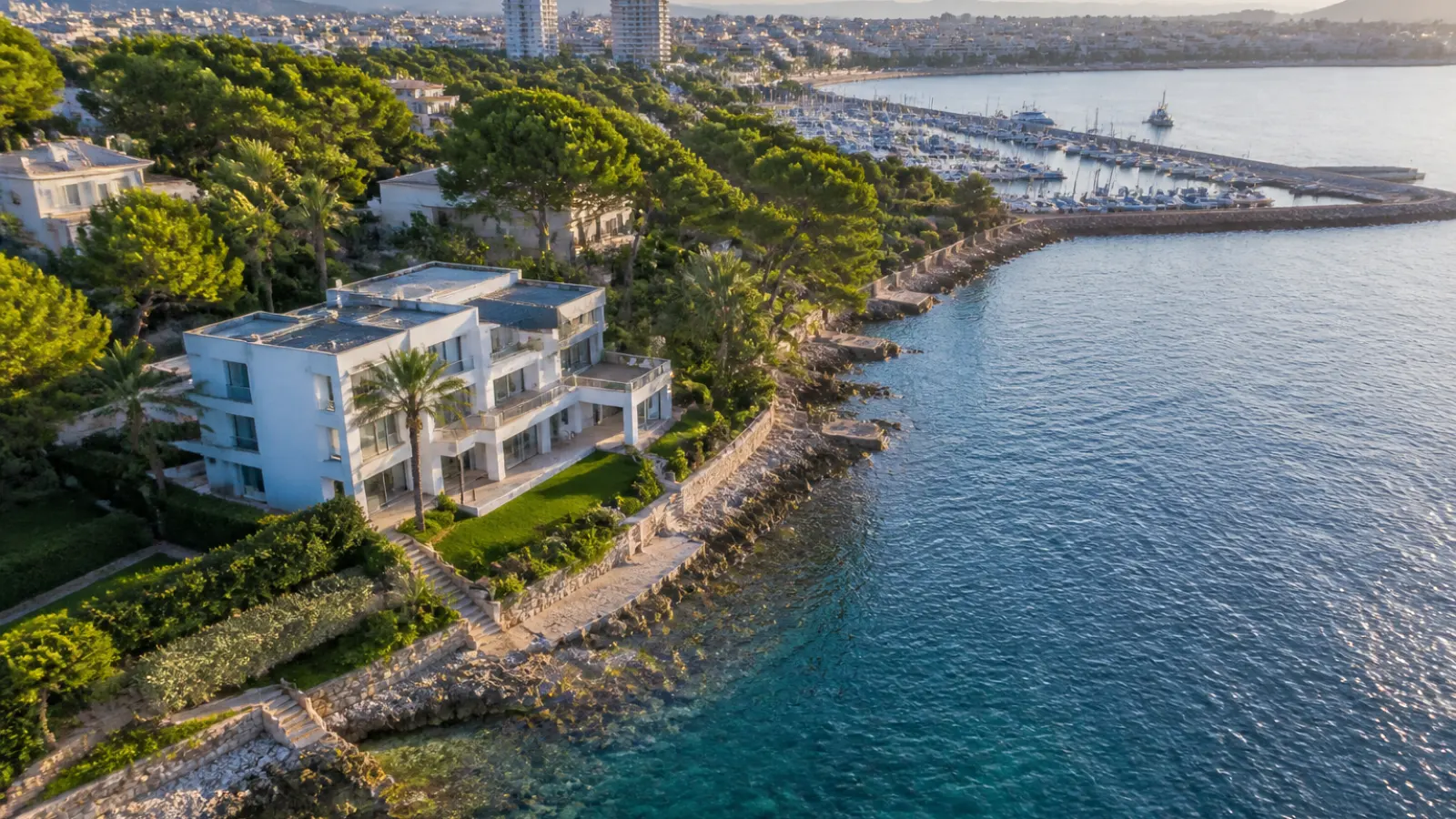
Waterfront properties combine limited physical supply with highly valued lifestyle and visual benefits. Whether the asset is an oceanfront villa, a beachfront apartment, a riverfront residence, or a lakefront property, proximity to water often creates a price premium that is difficult to replicate inland.
That premium is not based on scenery alone. Buyers must also consider homeowners insurance considerations, including availability, premiums, exclusions, deductibles, and coverage limits. This article examines the economics behind waterfront pricing, compares Miami, Dubai, the French Riviera, and Lebanon, and outlines the risks and due-diligence questions that determine whether a purchase is financially and practically justified.
The Core Economic Reason Waterfront Properties Cost More
Scarcity cannot be easily expanded
Land beside water is inherently limited. A coastline, riverbank, or lake edge cannot be reproduced in the same way as an inland subdivision, and desirable parcels may already be occupied, protected, or subject to strict planning controls. In established waterfront districts, the supply of genuinely accessible sites can become especially constrained because new development may be blocked by environmental rules, public access requirements, setbacks, or infrastructure limitations.
Scarcity, however, must be defined accurately. A home with direct private frontage is different from one with a partial water view, shared beach access, a distant panorama, or marketing language that describes the neighborhood as waterfront. Legal access, the permanence of the view, the quality of the shoreline, and the ability to use the water can materially affect value.
Buyers pay for an experience, not just floor area
Waterfront buyers are often purchasing an experience as much as a structure. Unobstructed views, natural light, outdoor entertaining, swimming, boating, walking, privacy, and the psychological appeal of open water can provide daily utility that an inland home does not offer. The emotional value may be particularly important to second-home purchasers and buyers of luxury waterfront homes who prioritize enjoyment, identity, and social use over simple space-per-square-metre comparisons.
This helps explain why two properties with similar construction quality and internal area can sell at very different prices. The waterfront premium reflects the setting, not merely the building. It may remain strong when the surrounding area supports convenient access, attractive public spaces, reliable services, and a high-quality ownership experience.
Location determines whether the premium is durable
Water alone does not make a property valuable. A waterfront address near employment centers, airports, restaurants, cultural attractions, marinas, beaches, schools, healthcare, and dependable infrastructure may attract a deeper buyer pool than an isolated property with a more dramatic view.
Connectivity also affects practical use and resale. A city-edge residence may serve as a primary home, second home, rental asset, or corporate accommodation, while a remote shoreline property may depend almost entirely on seasonal leisure demand. The durability of the premium therefore depends on the quality of the wider location, not just the water frontage.
What Creates Value in Different Types of Waterfront Property?
Different waterfront formats appeal to different buyers and carry different operating and risk profiles. Beachfront homes may offer direct recreation and strong holiday appeal, but they can face salt exposure, erosion, storms, and public-access issues. A lakefront property may provide quieter surroundings, boating, fishing, and greater privacy, although demand can be seasonal and water levels or shoreline rules still matter.
Riverfront residences often benefit from urban access, promenades, and cultural amenities, while requiring careful review of flood plains, embankments, navigation rules, and public pathways. Marina apartments can offer security, restaurants, berthing, and hospitality services, but owners should understand service charges, marina regulations, parking arrangements, and the difference between a water view and actual water access.
| Property type | Typical appeal | Key value driver | Common concern |
|---|---|---|---|
| Beachfront homes | Swimming, views, leisure, and tourism | Direct frontage and destination quality | Storms, erosion, corrosion, and insurance |
| Lakefront property | Privacy, boating, nature, and recreation | Usable shoreline and access | Seasonality, water levels, and maintenance |
| Riverfront residences | Urban amenities and promenades | Connectivity and view permanence | Flooding, access rights, and infrastructure |
| Marina apartments | Services, berthing, dining, and convenience | Master-plan quality and service delivery | Fees, supply, and restricted water use |
How Lifestyle and Tourism Support Premium Pricing
Waterfront settings support demand from primary residents, second-home buyers, hospitality operators, and leisure travelers. Coastal and lakeside locations can combine dining, boating, wellness, beaches, promenades, and outdoor recreation in one destination. A well-managed waterfront district may also benefit from a recognizable identity that supports premium accommodation, branded residences, and higher-end retail.
Tourism can create short-term rental opportunities, but rental potential is a supporting factor rather than a guaranteed return. Seasonality, local licensing, occupancy patterns, furnishing costs, cleaning, marketing, management fees, taxes, and building rules all affect net income. Some jurisdictions limit short-term rentals or require permits, while others impose restrictions in residential communities. A property that appears attractive on a gross-rent basis may produce a much lower result after operating expenses and periods of vacancy.
Comparing Waterfront Markets: Miami, Dubai, the French Riviera, and Lebanon
Miami: established coastal demand with significant exposure considerations
Miami benefits from international demand, beaches, boating, warm weather, urban amenities, and a strong luxury and second-home culture. These factors can support demand for apartments, villas, and branded residential projects in well-connected locations. Yet the market also illustrates why a view or beach address should not be assessed in isolation.
Buyers need to examine flood exposure, storm risk, wind resistance, building age, reserve funding, maintenance history, and the financial condition of condominium associations. Insurance costs, deductibles, exclusions, and special assessments can materially change the cost of ownership. Building resilience, parking, evacuation access, and the practical quality of the surrounding infrastructure are central to long-term value.
Dubai: engineered waterfront living and master-planned amenity value
Dubai has created waterfront environments through man-made islands, marinas, master-planned communities, and branded developments. In this market, the premium may reflect not only the water itself but also infrastructure, hospitality, security, landscaping, retail, service quality, and carefully designed lifestyle amenities.
Market comparisons should be made within the specific submarket because supply, occupancy, construction quality, and buyer demand can vary significantly. Before committing, buyers should verify service charges, ownership terms, completion status, developer obligations, handover conditions, rental rules, and the volume of competing units. A polished waterfront concept does not remove the need to assess delivery risk and ongoing operating costs.
The French Riviera: scarcity, prestige, and established destination appeal
The French Riviera combines limited developable land, historic coastal towns, established tourism, yachting, cultural appeal, and international prestige. Views, privacy, walkability, proximity to marinas, and access to established services can support a substantial premium for villas and apartments in sought-after locations.
Value can be affected by heritage protections, planning controls, renovation restrictions, difficult access, and high operating costs. Buyers should understand whether alterations, terraces, pools, façades, windows, or landscaping require special approvals. A prestigious address may support resale appeal, but construction limitations and maintenance obligations can reduce flexibility and returns.
Lebanon: location quality, views, and resilience in a more complex market
Lebanon’s coastal communities can appeal to buyers seeking Mediterranean views, established neighborhoods, lifestyle use, and proximity to Beirut or other local centers. The value of a property may depend heavily on its exact location, access, building condition, services, and the quality of the surrounding community rather than on a general coastal label.
International and local buyers should approach the market with careful title review, independent assessment of infrastructure reliability, and professional legal and tax advice. Currency, financing, transfer procedures, building maintenance, and realistic liquidity assumptions deserve particular attention. A compelling view does not eliminate the need to evaluate resilience, utilities, ownership documentation, and the likely depth of the resale market.
Why Waterfront Properties Can Appeal to Investors
Waterfront properties can provide differentiated exposure to scarce land, premium rents in suitable locations, hospitality demand, and potential resale appeal. They may also diversify a portfolio that is concentrated in ordinary residential stock. However, owner-occupier value and investment value are not identical. A buyer may rationally pay more for privacy, a view, or personal enjoyment even when the financial return is comparable to or weaker than an inland alternative.
Investors should focus on net operating income rather than gross rent. The calculation should include vacancy, professional management, furnishing, repairs, corrosion control, insurance, taxes, financing, utilities, service charges, licensing, and regulatory compliance. Sensitivity testing should examine lower occupancy, higher insurance, unexpected assessments, currency movements, and a slower resale period.
Developers face an additional set of questions. Zoning, setbacks, environmental review, public access, utilities, roads, shoreline protection, construction logistics, foundation conditions, drainage, and resilience requirements can materially affect feasibility. Waterfront entitlement and construction risk can be higher than expected, particularly where the shoreline is protected or infrastructure capacity is limited.
The Risks That Can Reduce or Erase the Waterfront Premium
Climate, flooding, storms, erosion, and sea-level exposure
Proximity to water creates environmental exposure that varies substantially by elevation, orientation, drainage, shoreline type, local defenses, and building design. Coastal properties may face storm surge, wind, wave action, erosion, and rising sea levels. Riverfront and lakefront properties can experience flooding from rainfall, upstream conditions, changing water levels, or inadequate drainage.
Buyers should obtain independent flood, drainage, erosion, wind, and structural assessments rather than relying only on general area descriptions. Resilience measures may reduce risk, but they do not remove it and may introduce additional capital and maintenance costs.
Insurance and ongoing maintenance costs
Salt air, humidity, wind, and water exposure can accelerate corrosion and deterioration. Common maintenance issues include waterproofing, façades, roofs, windows, seawalls, docks, pools, elevators, mechanical systems, and mold prevention. Condominium owners may also face major shared repairs or special assessments.
Insurance availability, deductibles, exclusions, limits, and premiums can materially change affordability and investment returns. Quotations should be obtained before signing a binding agreement, and buyers should confirm whether flood, wind, contents, liability, structural, and rental-related risks are covered under appropriate policies.
Regulation and access rights
Waterfront ownership can be affected by coastal setbacks, public shoreline rules, conservation zones, building permits, rental restrictions, renovation approvals, easements, riparian or littoral rights, and marina rules. A property advertised as private may still be subject to public passage, shared access, seasonal restrictions, or limitations on docks and shoreline structures.
Legal frontage and practical access should be verified through title documents, surveys, planning records, and local advice. Buyers should not assume that a long-standing structure or historic use is automatically authorized.
Liquidity and market concentration
The buyer pool for a premium waterfront asset may be smaller than for a comparable inland home. Transaction times can be longer, and luxury waterfront markets may be sensitive to interest rates, tourism, currency movements, geopolitical conditions, and global wealth cycles. In a weak market, a striking property can still require a price adjustment to attract qualified buyers.
A Practical Due-Diligence Checklist for Buyers
- Confirm the frontage and view. Verify legal waterfront boundaries, direct access, view rights, public pathways, and the likelihood of future construction blocking the outlook.
- Review title and planning matters. Examine ownership, easements, access, zoning, setbacks, conservation rules, rental restrictions, and any ownership limitations.
- Commission independent inspections. Obtain structural, flood, drainage, erosion, wind, waterproofing, and general building-condition assessments from qualified professionals.
- Secure realistic insurance quotations. Check premiums, deductibles, exclusions, limits, flood and wind coverage, liability protection, and availability before committing.
- Calculate total ownership costs. Include taxes, service charges, utilities, maintenance, reserves, financing, furnishing, security, repairs, and potential assessments.
- Test rental assumptions. Compare realistic occupancy and seasonal rates after local restrictions, management fees, cleaning, taxes, licensing, and vacancy.
- Assess the wider location. Review infrastructure, utilities, transport, emergency access, schools, healthcare, restaurants, and neighborhood services throughout the year.
- Compare genuine comparable sales. Use recent completed transactions for properties with similar frontage, access, condition, building quality, and legal characteristics rather than relying on asking prices.
- Use qualified local professionals. Obtain independent legal, tax, engineering, insurance, and real-estate advice appropriate to the jurisdiction.
Is the Waterfront Premium Worth Paying?
The answer depends on intended use, holding period, budget, resilience, privacy, access, rental strategy, and exit options. A premium may be rational when the property has legally secure access, a durable view, strong infrastructure, manageable insurance, high-quality construction, and a location with diverse demand. It may also make sense for an owner who expects to use and value the lifestyle for many years.
An inland or second-line property may offer better value when it provides similar amenities, a good view, lower exposure, easier maintenance, and a broader resale market. Investors should compare risk-adjusted net returns rather than assuming that water access guarantees appreciation or rental success. The best purchase is not necessarily the one closest to the water, but the one with a defensible location and manageable total cost.
Frequently Asked Questions About Waterfront Properties
Why are waterfront properties more expensive than similar inland homes?
Waterfront properties are more expensive because suitable shoreline land is scarce and buyers place a high value on views, recreation, privacy, natural light, and lifestyle utility. Premiums are usually strongest where the property also has excellent access to employment, transport, hospitality, and urban services. The amount paid should still reflect legal access, condition, risk, maintenance, and the quality of the specific shoreline.
Do beachfront homes always hold their value better?
No. Beachfront homes can benefit from scarcity and strong lifestyle demand, but value may be reduced by storms, erosion, insurance costs, public access, environmental rules, or a limited resale pool. Building resilience, location quality, and management matter greatly. A well-connected second-line home may perform more consistently than a vulnerable beachfront asset with high operating costs.
Is lakefront property less risky than coastal real estate?
Lakefront property may have less exposure to certain coastal hazards, such as storm surge, but it is not risk-free. Flooding, changing water levels, shoreline erosion, ice, drainage problems, access limitations, and seasonal demand can affect ownership. Risk depends on the lake, elevation, local regulations, building design, and infrastructure, so independent site-specific assessments remain essential.
Can luxury waterfront homes generate reliable rental income?
Some luxury waterfront homes generate attractive rental income in destinations with sustained tourism, strong management, and permitted short-term rentals. Returns can vary sharply by season and may be reduced by furnishing, upkeep, insurance, taxes, platform or management charges, and vacancy. Rental projections should be based on local evidence and net operating income, not optimistic gross-rate assumptions.
What is the most important inspection for a waterfront purchase?
No single inspection is sufficient. A comprehensive review should include structural condition, foundations, waterproofing, drainage, flood exposure, erosion, wind resistance, corrosion, mechanical systems, and seawalls or docks where relevant. A qualified local engineer should tailor the assessment to the shoreline and building type. Legal and insurance reviews are equally important because physical condition alone does not define risk.
Are waterfront properties a good investment for international buyers?
They can be suitable for international buyers when ownership rules, taxes, financing, currency, insurance, management, and resale conditions are clearly understood. The investment case depends on the exact asset and market cycle, not the waterfront label. Buyers should assess net returns, liquidity, climate exposure, regulatory stability, and personal use separately before deciding whether the premium fits their objectives.
Conclusion
Waterfront properties command premium prices because scarcity, lifestyle value, views, tourism, infrastructure, and market reputation reinforce one another. Yet these advantages are not universal, and the premium can be weakened by climate exposure, insurance costs, maintenance, regulation, supply, or limited liquidity.
For buyers and developers, a waterfront investment should be evaluated as a complete asset rather than as a view. Confirm the rights, test the income, price the insurance, inspect the structure, understand the regulations, and plan for resilience and resale. The strongest decision is one in which the enjoyment and scarcity of the location are supported by manageable risk-adjusted costs.