Augmented Reality Search Optimization: The Future of SEO in Design and Real Estate
Explore how augmented reality is reshaping search optimization, offering innovative pathways for architects, engineers, and real-estate professionals to enhance visibility and user engagement.
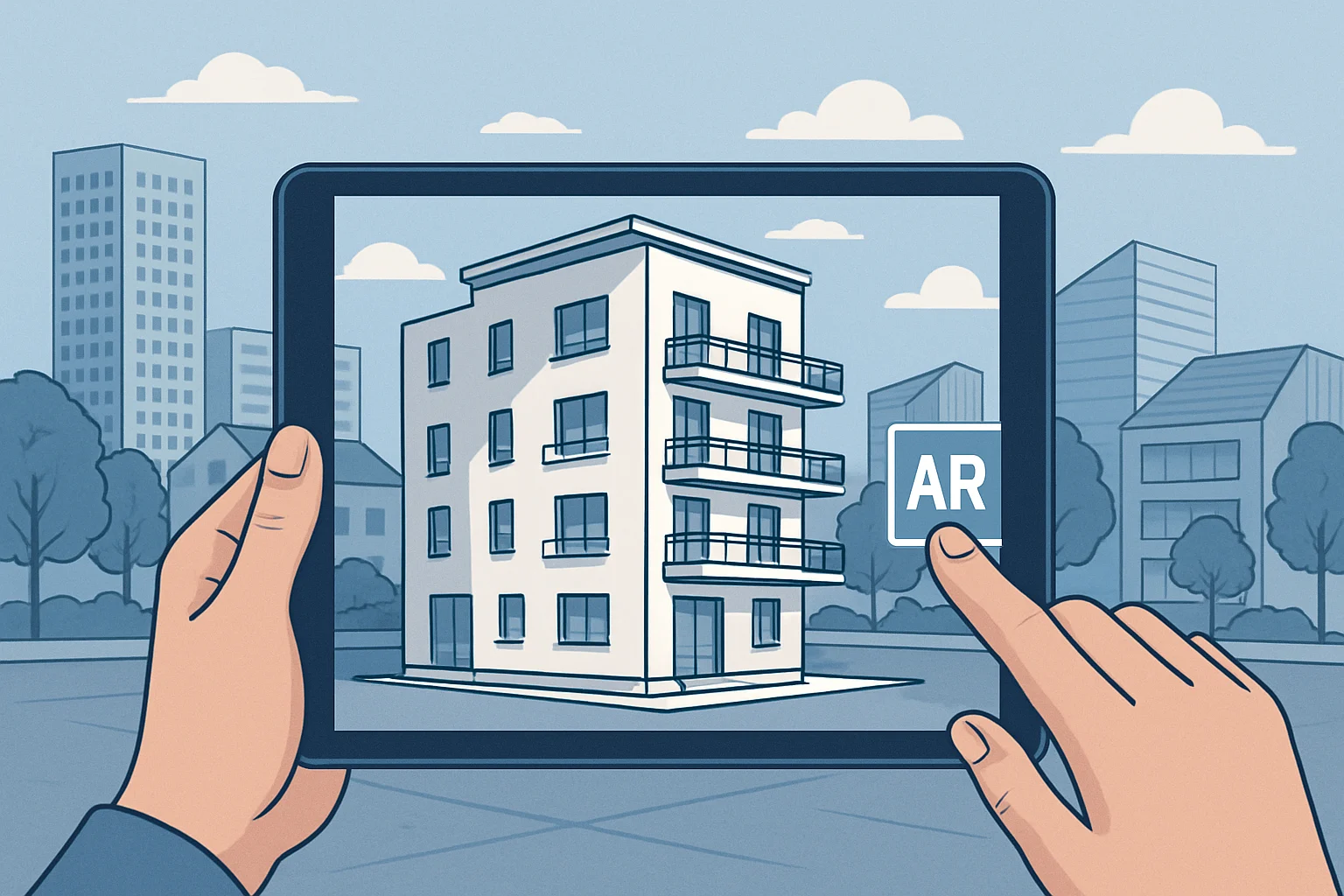
The digital landscape is undergoing a paradigm shift, with augmented reality (AR) emerging as a groundbreaking technology that reshapes the way architects, engineers, builders, and real estate professionals approach search engine optimization (SEO). As immersive experiences become more integrated into digital marketing strategies, understanding how to effectively leverage AR for SEO can provide a competitive edge in an increasingly crowded marketplace.
Understanding Augmented Reality in a Digital Context
Augmented reality is an interactive experience that overlays digital content onto the real world through devices such as smartphones, tablets, and AR glasses. In the context of architecture and real estate, AR can enhance the way users interact with digital information, creating opportunities for improved user engagement, better visualization of projects, and enhanced marketing strategies.
Some notable applications of AR in these fields include:
- Design Visualization: Allowing clients to visualize buildings and spaces before construction begins.
- Interactive Property Tours: Enabling potential buyers to explore properties virtually and engage with features more interactively.
- Real-Time Data Overlay: Providing live data on materials, energy use, and building performance as users interact with physical spaces.
The Link Between Augmented Reality and SEO
Combining AR with search optimization allows professionals to create a seamless bridge between user search intent and immersive experiences. Here's how AR can significantly enhance SEO strategies:
1. Improved User Engagement
AR experiences captivate users, leading to longer session durations and decreased bounce rates. Search engines consider these metrics as indicators of quality content, positively impacting rankings. This is particularly significant for real estate websites where engaging property presentations can convert casual browsers into buyers.
2. Enhanced Content Interaction
Augmented reality encourages users to interact with content in meaningful ways, such as annotating features on virtual models or exploring different design options. This not only enriches user experiences but also provides valuable data on user behavior, informing future content strategies.

3. Unique Media Formats
Integrating AR content creates unique media formats that can attract backlinks, shares, and social media engagement. Search engines favor diverse content, and incorporating AR into marketing campaigns can enhance visibility across multiple platforms.
4. Local SEO Benefits
For real estate businesses, local SEO plays a crucial role. AR applications can facilitate geolocation features that provide users with contextual information about properties and neighborhoods, thus enhancing local search efforts.
Best Practices for Implementing AR in SEO Strategies
Integrating augmented reality into SEO requires careful planning and execution. Here are some best practices that can guide professionals in leveraging AR effectively:
- Optimize for Mobile: Since most AR applications operate on mobile devices, ensure your website is mobile-responsive and your AR content is optimized for quick loading times.
- Create Quality AR Experiences: Focus on producing high-quality, immersive experiences that provide real value to users. Poorly designed AR can frustrate users and damage brand reputation.
- Incorporate Strong Call-To-Actions: Utilize AR experiences to guide users toward specific actions, such as scheduling a viewing or requesting more information.
- Leverage Analytics: Use analytics tools to track how users interact with AR content, allowing for data-driven decisions in your SEO strategy.
Case Studies: Successful Implementation of AR in Real Estate
Many companies in the real estate sector have successfully integrated augmented reality into their marketing and SEO strategies. For instance, Redfin provides potential buyers with AR home tours that allow them to visualize spaces interactively. This not only improves user engagement but also contributes to higher conversion rates.
Another example is Curbed, which utilizes AR to create immersive neighborhood experiences. By allowing users to explore local amenities and properties in an interactive format, they attract more visitors to their platform and enhance their SEO through high-quality, engaging content.
Challenges and Considerations
Despite its potential, incorporating AR into SEO strategies is not without challenges:
- Technology Limitations: Not all users have access to AR-capable devices, which can limit reach.
- Development Costs: Creating effective AR experiences can be resource-intensive, requiring investment in technology and design.
- User Adoption: Educating users on how to interact with AR experiences is essential for maximizing engagement.
Conclusion
As augmented reality technology continues to advance, its integration into SEO strategies within architecture, engineering, and real estate becomes increasingly vital. By enhancing user engagement, offering unique media formats, and catering to local SEO, professionals can leverage AR to improve their visibility and success in a competitive digital landscape. While challenges remain, the potential benefits of incorporating AR into SEO strategies are substantial, making it a critical consideration for any forward-thinking organization.