Harnessing Generative AI for Effective Content Indexing: A Blueprint for SEO Success
This article explores the intersection of generative AI and content indexing, providing insights and strategies for enhancing SEO performance in the digital landscape.
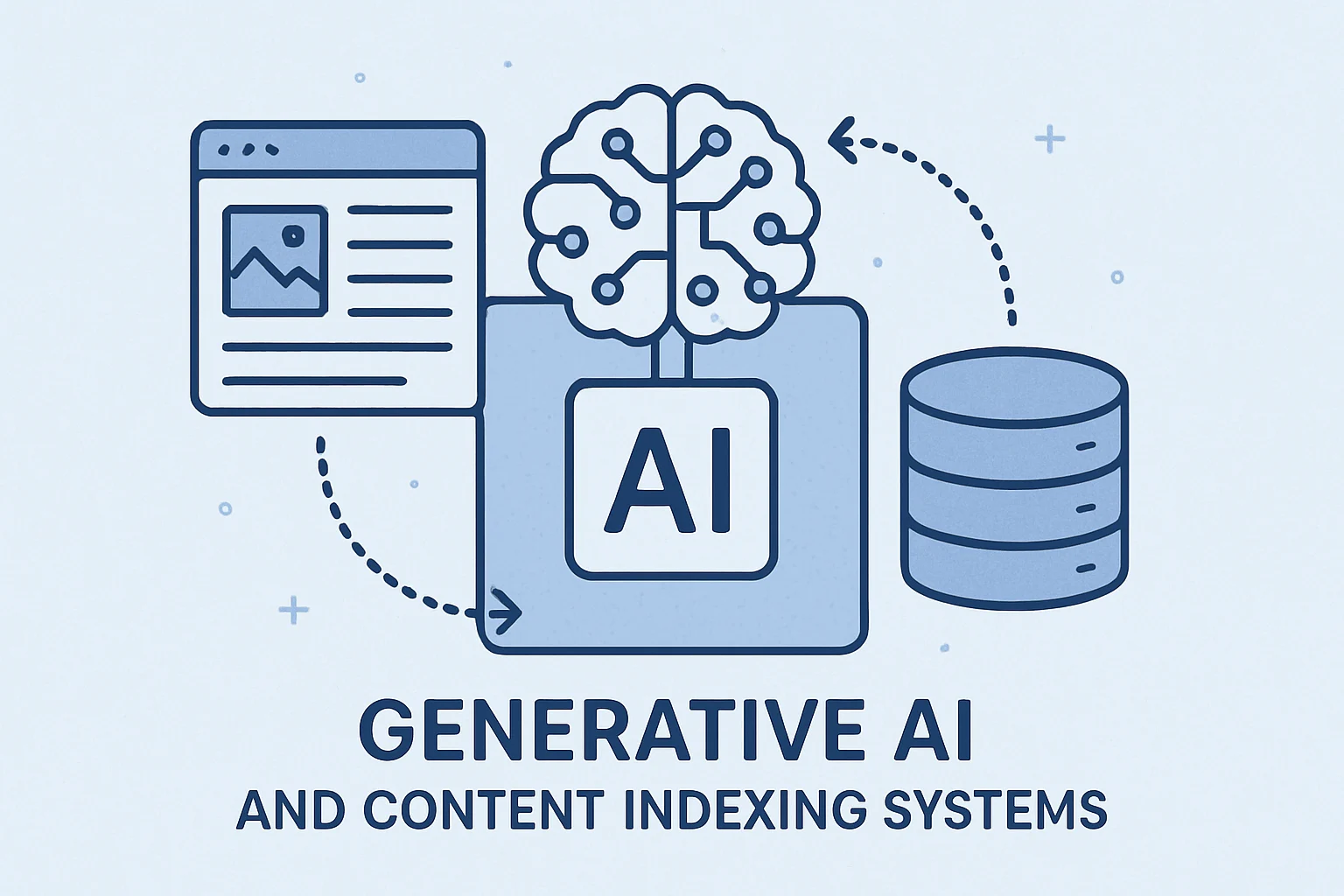
In the realm of digital marketing, search engine optimization (SEO) is a critical factor that influences the visibility of online content. As the complexity of search algorithms increases, there is a growing need for innovative approaches to maintain and enhance content discoverability. Generative AI has emerged as a powerful tool in this landscape, particularly concerning content indexing. This article delves into how generative AI can be used to improve content indexing processes, leading to enhanced SEO performance.
Understanding Content Indexing
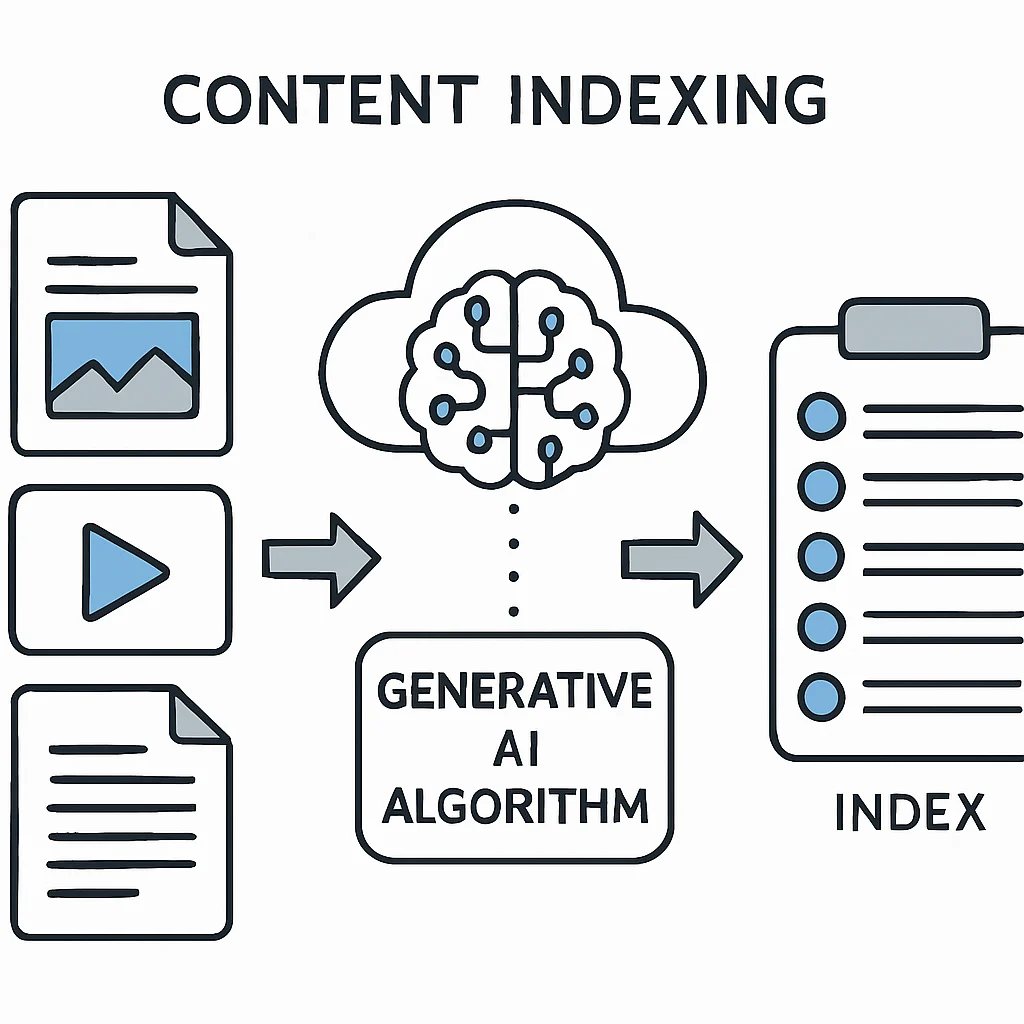
Content indexing is the process through which search engines analyze and catalog web pages to provide relevant results to users’ queries. This involves:
- Identifying key content elements.
- Categorizing information based on semantics.
- Creating an index that allows fast retrieval of data.
For websites and content creators, effective indexing means higher rankings in search results, leading to increased traffic and visibility. However, traditional indexing methods may struggle to keep pace with the growing volume of online content. This is where generative AI can play a transformative role.
The Role of Generative AI in Content Indexing
Generative AI utilizes machine learning algorithms to create content or enhance existing data, enabling a more sophisticated approach to content indexing. Here’s how it can make a difference:
1. Enhanced Data Analysis
Generative AI can analyze vast amounts of data quickly and efficiently. With its ability to understand context and semantics, it can:
- Identify trends and user preferences.
- Automatically categorize content based on relevance.
- Optimize keywords and phrases for better searchability.
2. Semantic Understanding
Unlike traditional indexing, which often relies heavily on keyword matching, generative AI employs semantic processing. This allows the AI to understand the meaning behind user queries and content, facilitating better content alignment with search intent.
3. Dynamic Content Generation
Generative AI can also create high-quality content on demand. This means that websites can produce tailored content that meets user needs while simultaneously enhancing their indexing potential.
Implementing Generative AI in Content Indexing Strategies
For engineers, architects, builders, and real-estate professionals looking to leverage generative AI for SEO success, the following strategies can be implemented:
1. Develop an AI-Driven Content Strategy
Begin by outlining a content strategy that incorporates generative AI tools. This could include tools for automated content creation, data analysis, and semantic processing. Determine the specific SEO objectives you wish to achieve, such as increasing organic traffic or enhancing user engagement.
2. Utilize AI for Content Categorization
Employ generative AI to automatically categorize existing content. This can streamline the indexing process and ensure that your content is easily discoverable based on relevant topics and keywords.
3. Monitor and Adapt
Implement analytics tools that can track the performance of your content post-AI implementation. Use this data to refine your SEO strategies continually. Generative AI can help you identify which content performs best and should be further optimized.
Challenges and Considerations
While generative AI presents numerous advantages, it is not without its challenges. Consider the following:
- Quality Control: AI-generated content may require human oversight to ensure accuracy and relevance.
- Ethical Concerns: Be mindful of the ethical implications of AI, including bias in content generation.
- SEO Best Practices: Stay updated on SEO best practices as they evolve with AI advancements.
Conclusion
The integration of generative AI into content indexing offers a new frontier for SEO strategies in digital marketing. By enhancing data analysis, improving semantic understanding, and enabling dynamic content creation, AI can significantly impact how content is indexed and discovered. As practicing engineers, architects, builders, and real-estate professionals seek to improve their online presence, embracing generative AI will be crucial for staying competitive in an increasingly digital marketplace.