Designing EV Depot Charging Infrastructure and Understanding Load Profiles: A Step-by-Step Guide
A comprehensive guide on how to design EV depot charging stations and analyze load profiles to optimize the implementation of electric vehicle infrastructure.
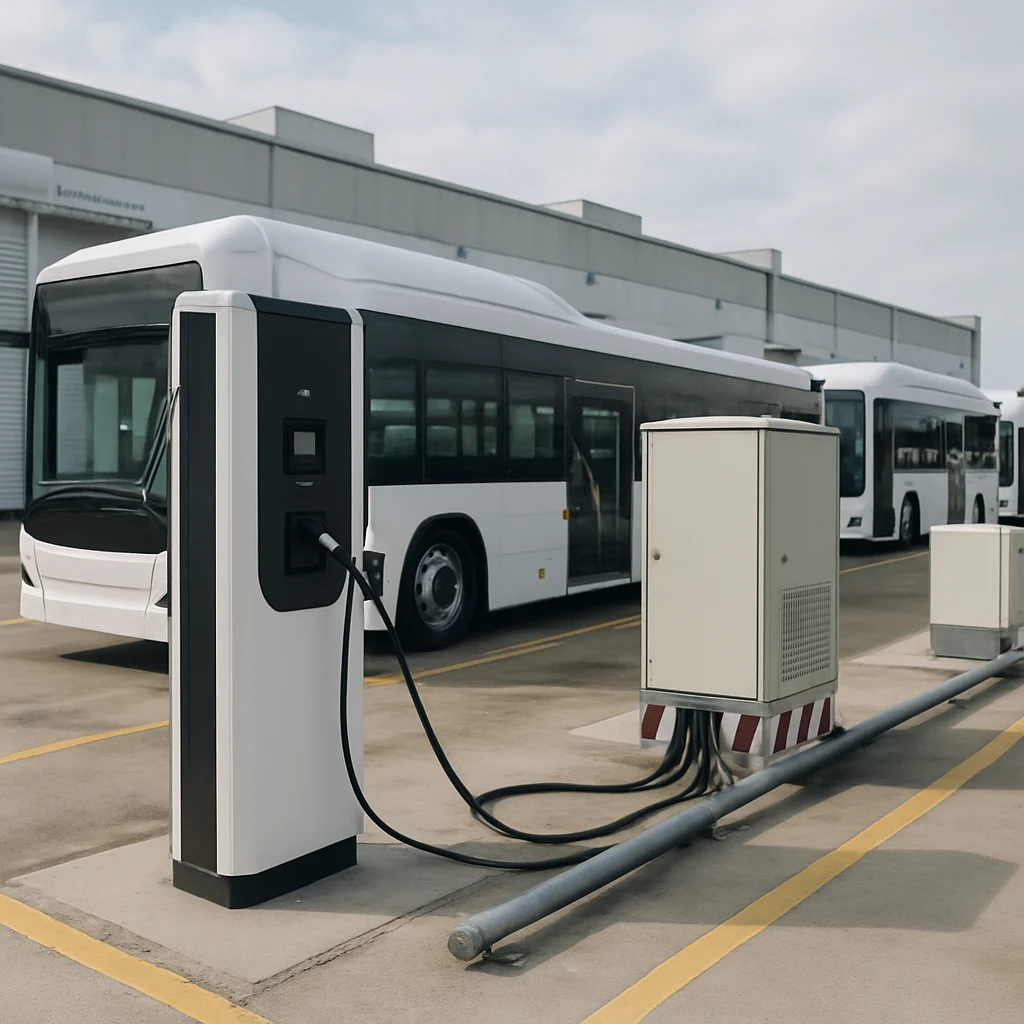
The shift towards electric vehicles (EVs) necessitates the development of robust charging infrastructure, particularly in depots where multiple vehicles are charged simultaneously. For engineers, architects, builders, and real estate professionals, understanding the design of EV charging stations and analyzing load profiles is essential to optimize energy use and ensure sustainability. This guide provides a detailed, step-by-step approach to designing efficient EV depot charging stations and understanding load profiles.
1. Understanding the Components of EV Charging Stations
Before embarking on the design process, it's vital to comprehend the various components involved in EV charging stations:
- Charging Units: These are installed at the depot to charge electric vehicles. They can vary in type, including Level 1 (slow charge), Level 2 (moderate charge), and DC fast chargers.
- Power Supply: The source of electrical energy which can include grid power or renewable sources like solar panels.
- Management Software: This software optimizes charging schedules based on load profiles and vehicle requirements.
- Infrastructure: The physical layout which includes the charging stations, wiring, parking spaces, and safety measures.
2. Assessing Energy Needs
To design an effective charging station, it's important to assess your energy requirements based on the anticipated number of EVs and their charge times.
- Determine the number of EVs: Evaluate how many electric vehicles will require charging at any given time.
- Estimate average daily usage: Establish how long each vehicle will be plugged in and the average state of charge needed.
- Calculate peak demand: Identify the maximum power required during peak times to ensure that the power supply can handle demand.
3. Choosing the Right Charging Equipment
Based on the energy needs assessment, the next step is to select appropriate charging equipment.
- Level 1 Chargers: Suitable for light-duty EVs with lower charging demands.
- Level 2 Chargers: Ideal for moderate daily use and quicker charging needs.
- DC Fast Chargers: Necessary for larger fleets that require rapid charging within a short time.
4. Designing the Layout of Charging Stations
The layout of the EV depot is crucial for efficient charging operations. Follow these guidelines for effective design:
- Space Allocation: Allocate sufficient space for each charging unit, considering maneuverability and access.
- Safety Measures: Incorporate safety features such as proper signage, emergency shut-off, and adequate lighting.
- Accessibility: Ensure that the design is compliant with accessibility standards for all users.
5. Analyzing Load Profiles
Understanding load profiles is integral to managing energy resources efficiently. Here’s how to analyze load profiles effectively:
- Data Collection: Gather data on charging patterns, duration, and energy consumption from existing facilities.
- Peak Load Calculation: Determine the peak load times and the energy requirements during these periods.
- Load Management: Implement strategies such as demand response and scheduling to optimize energy use and reduce costs.
6. Implementing Renewable Energy Solutions
Integrating renewable energy sources can enhance sustainability and reduce operational costs:
- Solar Panels: Consider installing solar panels to power the charging stations.
- Battery Energy Storage: Use battery systems to store energy generated from renewable sources for use during peak demand.
7. Monitoring and Maintenance
Regular monitoring and maintenance are essential for the longevity and efficiency of the charging infrastructure:
- Regular Inspections: Schedule routine inspections of all electrical components and equipment.
- Software Updates: Keep management software up-to-date for optimal performance and data accuracy.
8. Considerations for Future Expansion
As electric vehicle usage increases, it is prudent to plan for future growth in your EV depot:
- Scalability: Design the infrastructure with future expansion in mind to accommodate more vehicles and charging units.
- Adaptability: Ensure that the design can adapt to emerging technologies, such as new charging standards or faster charging technologies.
Conclusion
Designing an efficient EV depot charging infrastructure and understanding load profiles is a crucial step towards promoting sustainable transportation. By following the outlined steps and considering future growth, engineers, architects, builders, and real estate professionals can significantly contribute to the electrification of transport systems globally. With careful planning and execution, it is possible to create charging solutions that are not only practical but also environmentally friendly.