LCA-Driven Retrofit Choices vs. New Builds: A Sustainable Design Case Study in the EU
This article explores the crucial considerations in sustainable design, focusing on life cycle assessment (LCA) to evaluate retrofit choices against new builds within the European Union context.
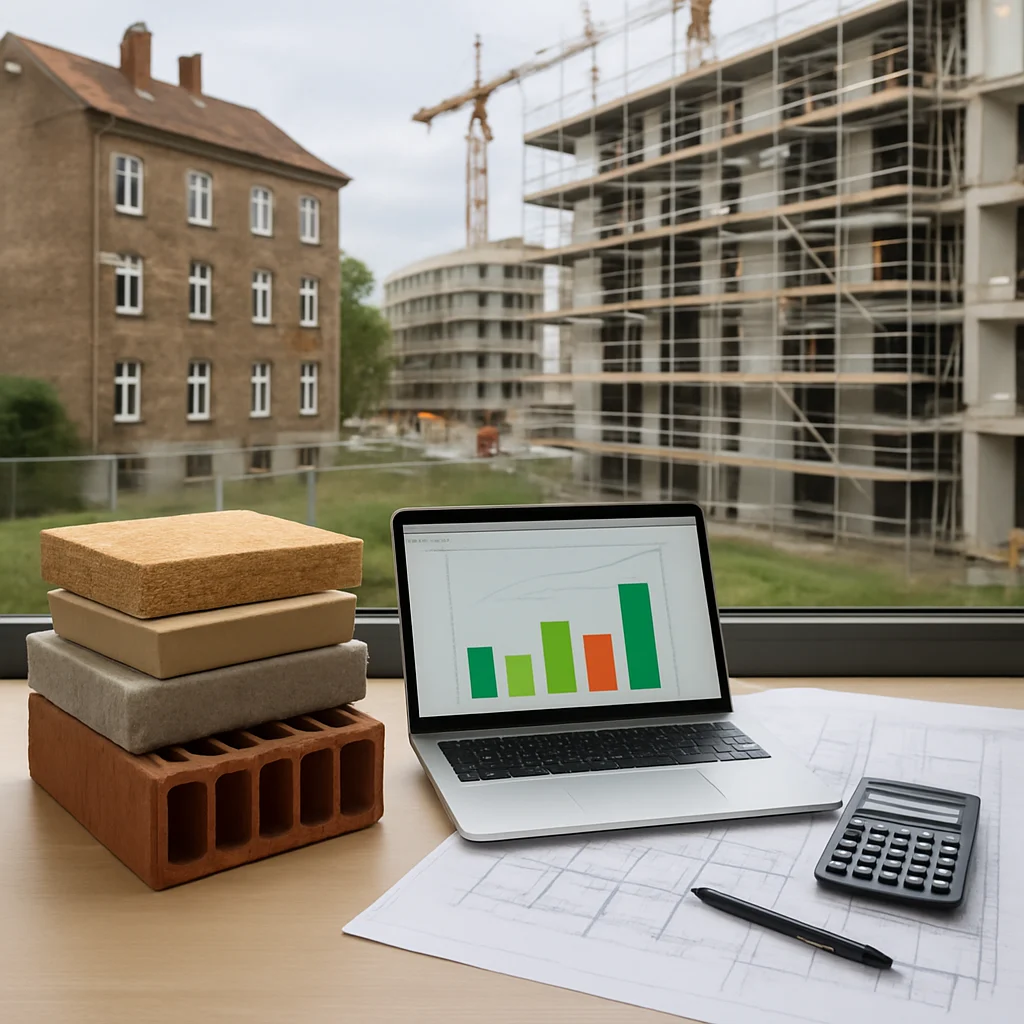
The pursuit of sustainability in architecture and construction has gained remarkable traction in recent years, especially within the European Union (EU). With stringent regulations and a growing awareness of environmental impacts, designers and builders are increasingly tasked with choosing between retrofitting existing structures and constructing new ones. This article presents a case study that evaluates life cycle assessment (LCA) as a decision-making tool for these critical choices.
Context: The Challenge of Sustainable Construction
Within the context of the EU, the construction sector is responsible for approximately 40% of energy consumption and a significant proportion of carbon emissions. Therefore, the push towards sustainability is not just a trend but an imperative. Factors influencing sustainable design decisions include:
- Regulatory frameworks: The EU has set ambitious targets for reducing carbon emissions and increasing energy efficiency in buildings.
- Economic considerations: Retrofitting may often be less expensive than new construction, but there are long-term savings to consider in both scenarios.
- Social aspects: Community heritage and the importance of maintaining existing structures versus the benefits of new buildings.
Case Study Overview: Retrofit vs. New Build
In this case study, we analyze a mid-sized office building in an urban area of the EU that underwent both a retrofit and a comparison against the potential for a new build. The building was constructed in the 1980s and had significantly lower energy efficiency metrics compared to modern standards.
Constraints
- Budget: The total budget for the retrofit was capped at €1 million.
- Timeline: The retrofit needed to be completed within 12 months to minimize operational disruptions.
- Building regulations: Complying with the latest EU directives on energy conservation and emissions was mandatory.
Solution: Implementing LCA
The team decided to conduct a comprehensive LCA to evaluate the environmental impact of both options: the retrofit and the new build. LCA considers the entire life cycle of a building, from material extraction and construction through operation, maintenance, and eventual demolition.
Retrofit Strategy
The chosen retrofit strategy involved:
- Energy-efficient HVAC systems: Upgrading to state-of-the-art heating, ventilation, and air conditioning systems reduced energy consumption by 40%.
- Insulation improvements: Enhancing insulation and installing energy-efficient windows improved thermal performance.
- Renewable energy sources: Integrating solar panels helped offset grid energy consumption.
New Build Considerations
The proposed new build would follow all the latest eco-design principles:
- Materials: Sourcing sustainable materials and designing for longevity.
- Energy performance: Achieving net-zero energy consumption through advanced design techniques.
- Site selection: Choosing a location with optimal access to public transport, minimizing reliance on cars.
Results: Performance Comparison
The findings from the LCA revealed significant insights pertaining to both strategies:
| Metrics | Retrofit | New Build |
|---|---|---|
| Initial Costs | €1 million | €1.5 million |
| Operational Efficiency | 40% reduction in energy consumption | Net-zero energy |
| Embodied Carbon | 220 tons | 150 tons |
| Time to Completion | 12 months | 18 months |
Lessons Learned
The case study yielded several important lessons for engineers, architects, builders, and real estate professionals:
- LCA is invaluable: Employing LCA not only enabled an evidence-based approach to decision-making but also highlighted the nuanced impacts of both options.
- Cost vs. long-term benefits: While initial costs for retrofitting were lower, the potential for long-term operational savings with the new build could not be neglected.
- Community impact: Retrofitting preserved valuable community heritage while modernizing it for sustainability.
Conclusion
In the realm of sustainable design in the EU, both retrofit choices and new builds have unique advantages and challenges. The decision must be guided by a thorough understanding of environmental impacts, cost implications, and community needs. By leveraging LCA as a decision-making framework, stakeholders can make informed choices that align with sustainability goals and regulations. This case study serves as a pivotal example for future projects, demonstrating the holistic approach required in today’s architectural landscape.