3D Printing Innovation: Cost Models for Additive Manufacturing vs. Traditional Methods
A comprehensive checklist exploring the cost models associated with 3D printing innovation in construction, contrasting them with traditional building methods.
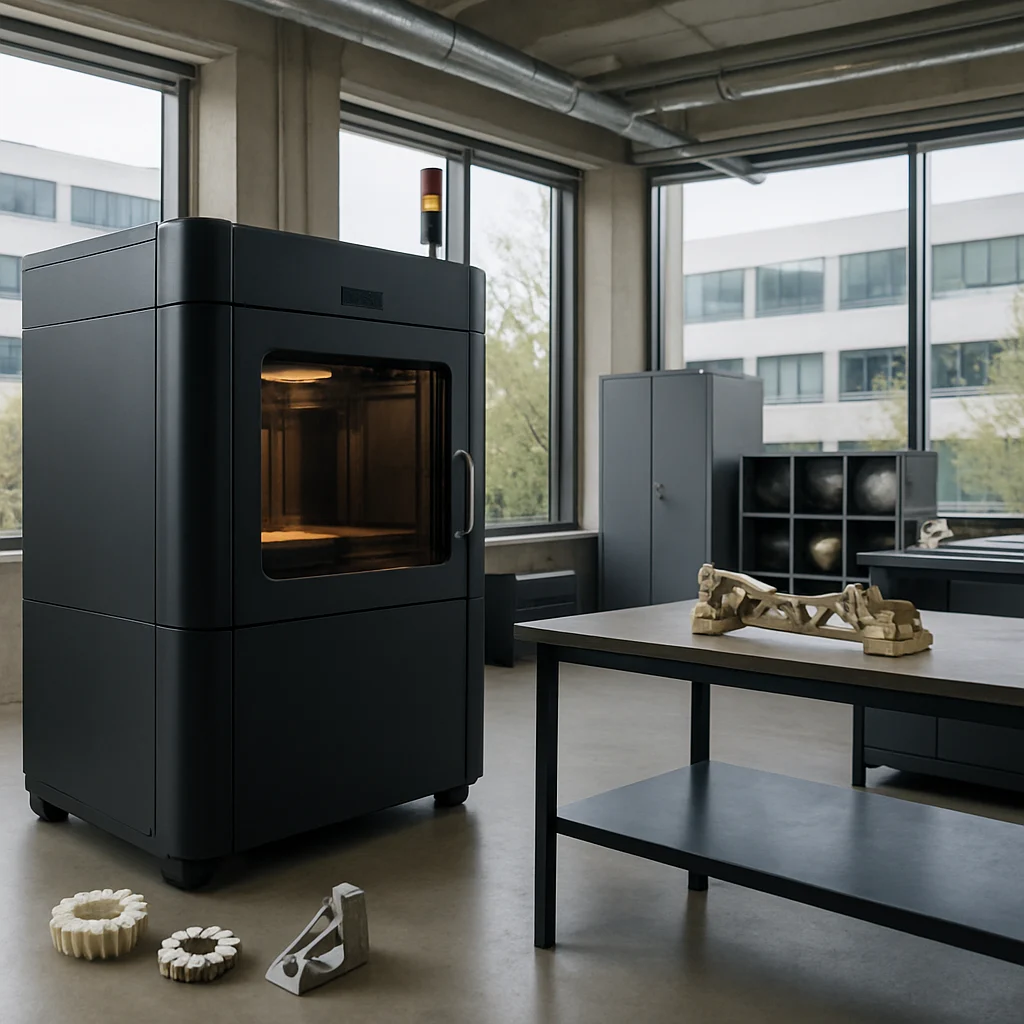
The construction industry is rapidly evolving, with 3D printing gaining traction as a viable alternative to traditional building methods. This innovation promises not only enhanced design flexibility but also potential cost savings. However, navigating the financial aspects of these technologies can be complex. This article provides a practical checklist to evaluate the cost models of 3D printing compared to traditional construction methods, targeting engineers, architects, builders, and real estate professionals.
The Landscape of 3D Printing in Construction
3D printing, or additive manufacturing (AM), utilizes digital models to create physical objects layer by layer. In construction, this technique can produce building components, entire structures, or even unique architectural features. As the technology advances, understanding its cost implications relative to traditional methods becomes vital for stakeholders in the industry.
Cost Models Overview
Cost models for construction can be broadly categorized into two camps: traditional construction methods and additive manufacturing. Here’s how they compare:
| Cost Factor | Traditional Methods | 3D Printing |
|---|---|---|
| Material Costs | Varies widely based on local availability and type. | May utilize less material through efficient designs. |
| Labor Costs | High; skilled labor needed for various tasks. | Lower; automated processes reduce manual labor. |
| Time Efficiency | Longer due to multiple phases and processes. | Faster production times for components. |
| Waste Generation | Higher; excess materials often discarded. | Lower; additive processes minimize waste. |
| Initial Investment | Requires substantial upfront capital for equipment. | Can be high due to printer costs but may offset with savings over time. |
Checklist for Evaluating 3D Printing Cost Models
When considering the shift to 3D printing in your projects, use the following checklist to assess feasibility against traditional methods:
- Identify project scale and requirements: Understand the size, complexity, and design requirements of your project to determine if 3D printing offers a realistic solution.
- Compare material costs: Research the costs of materials needed for both traditional methods and 3D printing. Consider local availability and potential bulk discounts.
- Assess labor costs: Evaluate skill gaps in your workforce regarding additive manufacturing. Determine whether additional training or hiring is necessary.
- Calculate time efficiency: Estimate time savings with 3D printing for your specific project type. Factor in lead times for design and setup.
- Determine waste reduction opportunities: Analyze how shifts to 3D printing can minimize waste and reduce costs associated with disposal.
- Evaluate initial investment: Calculate upfront costs for 3D printing technology, including printers and software, against potential savings.
- Research case studies: Look for success stories and failed attempts by others in your industry to understand the intricacies and common pitfalls.
- Consult industry experts: Discuss with practitioners who have implemented 3D printing to gauge its practical implications and cost-effectiveness.
Common Pitfalls to Avoid
In pursuing additive manufacturing, be aware of these common pitfalls that can impact cost-effectiveness:
- Underestimating initial costs: Many professionals miscalculate the investment required for 3D printing technology and training.
- Neglecting long-term savings: The allure of immediate savings can overshadow the potential long-term benefits of reduced waste and labor.
- Failure to assess project fit: Not every project is suited for 3D printing. Assessing design and scale prior to implementation is critical.
- Ignoring local regulations: Be aware of local building codes and regulations that may affect the implementation of 3D printing.
Conclusion
The integration of 3D printing into construction processes presents exciting opportunities, particularly regarding cost efficiency and speed. However, a comprehensive understanding of cost models is essential when comparing this innovative method to traditional construction practices. By following the checklist and avoiding common pitfalls outlined in this article, industry professionals can make informed decisions that align with both their financial goals and project requirements. As the technology continues to advance, staying informed will be crucial for leveraging 3D printing’s full potential in the construction industry.