Navigating the Regulatory Landscape of Bioprinting Tissue Scaffolds: An Expert Q&A
This article explores the intricacies of bioprinting tissue scaffolds through a detailed interview with Dr. Sarah Thompson, a leading expert in tissue engineering and regulatory frameworks.
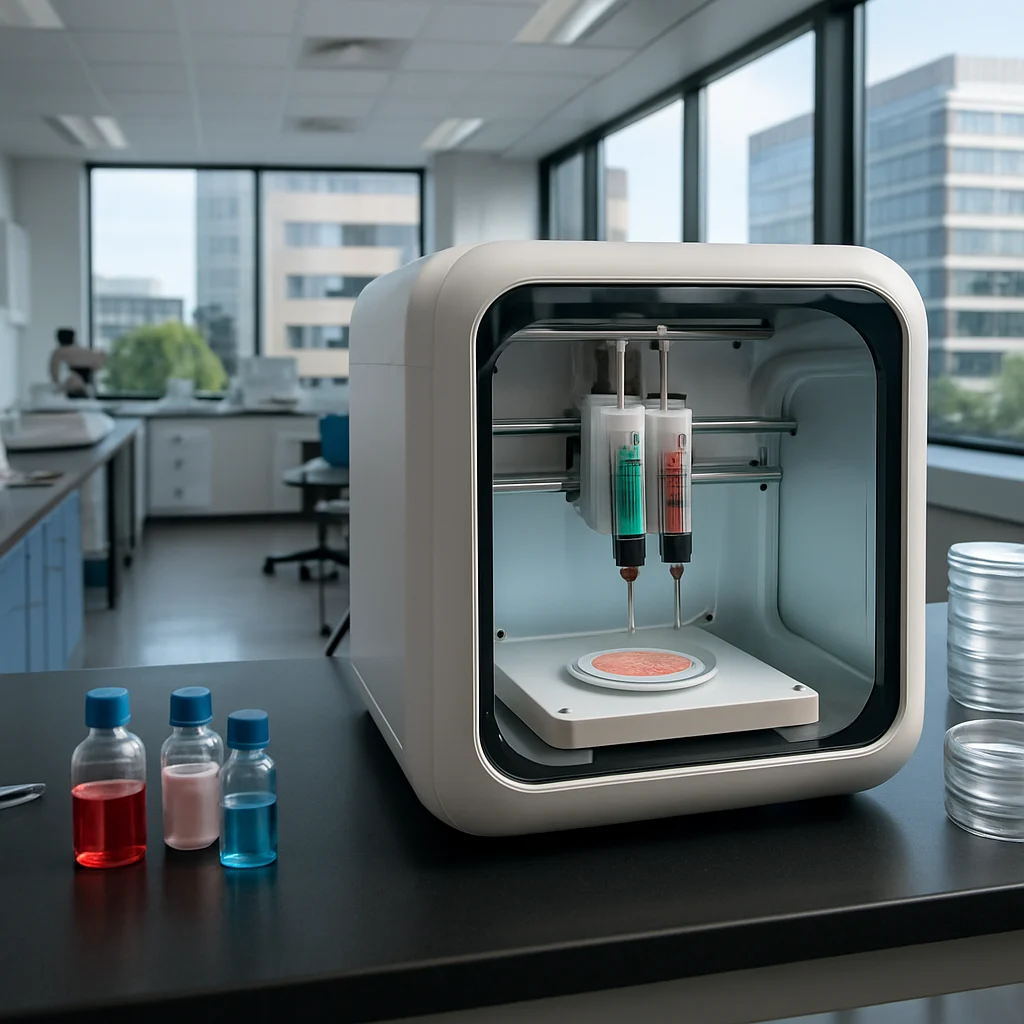
As bioprinting technologies continue to revolutionize the field of tissue engineering, understanding the regulatory landscape becomes crucial for engineers, architects, and real estate professionals involved in the healthcare sector. We sat down with Dr. Sarah Thompson, a prominent biomaterials researcher and regulatory consultant, to discuss the current state of bioprinting tissue scaffolds and the challenges faced in this dynamic field.
Q: Dr. Thompson, can you explain what bioprinting is and its significance in tissue engineering?
A: Bioprinting is a specialized form of 3D printing that uses living cells and biomaterials to create tissue-like structures. This technology holds immense potential for regenerative medicine, as it can produce scaffolds that mimic the natural extracellular matrix, promoting cell growth and tissue regeneration. The significance lies in its ability to address the shortage of donor organs and improve wound healing processes, ultimately enhancing patient care and clinical outcomes.
Q: What are tissue scaffolds, and why are they crucial in bioprinting?
A: Tissue scaffolds serve as a supportive framework for cells to grow and develop into functional tissues. In bioprinting, scaffolds need to meet specific criteria, including biocompatibility, mechanical strength, and porosity. Their design is fundamental in guiding cellular behavior and ensuring proper integration within the host tissue. Without effective scaffolds, the success of bioprinting applications is significantly hindered.
Q: Can you describe the current regulatory challenges that bioprinting technology faces globally?
A: The regulatory landscape for bioprinting is complex and varies by region. In the US, for example, the FDA regulates bioprinted products as medical devices, which means they must undergo rigorous premarket review. Challenges include:
- Establishing Clear Definitions: There is a lack of clear definitions for what constitutes a bioprinted product, leading to inconsistencies in regulation.
- Data Requirements: Manufacturers must provide extensive data on safety, efficacy, and quality, which can be difficult to obtain for novel bioprinted constructs.
- Rapidly Evolving Technology: The pace of innovation in bioprinting often outstrips the ability of regulatory bodies to develop appropriate guidelines.
- International Disparities: Different countries have varying regulatory frameworks, complicating global collaboration and commercialization.
Q: How do these challenges impact the development and commercialization of bioprinted scaffolds?
A: These regulatory challenges can delay the time to market for new products, as developers may face long approval processes. Additionally, the uncertainty around regulations can discourage investment in bioprinting technologies, stifling innovation. Companies need to engage with regulatory agencies early on to navigate these challenges effectively and ensure compliance throughout the development process.
Q: Are there any recent advancements in regulatory frameworks that provide hope for bioprinting innovators?
A: Yes, there have been promising developments. Regulatory bodies in some regions are increasingly focusing on developing adaptive regulatory frameworks that can keep pace with technological advancements. For instance, the FDA has introduced initiatives like the “Regenerative Medicine Advanced Therapy” (RMAT) designation, which allows for accelerated approval processes for innovative therapies, including bioprinted products. Additionally, collaborative efforts between industry stakeholders and regulators are helping to establish clearer guidelines and best practices.
Q: What advice would you give to engineers and startups aiming to enter the bioprinting field?
A: My primary advice would be to prioritize a thorough understanding of the regulatory landscape from the outset. This includes:
- Engaging with regulatory consultants and legal advisors familiar with bioprinting.
- Staying updated on evolving guidelines and participating in industry forums.
- Building strong relationships with regulatory agencies to facilitate smoother communication and understanding of requirements.
- Documenting all processes meticulously to support safety and efficacy claims.
Conclusion
The future of bioprinting tissue scaffolds is filled with potential, but navigating the regulatory landscape remains a key factor in its advancement. By understanding and addressing these challenges, engineers and innovators can help propel the field forward, contributing to breakthroughs that will redefine healthcare and regenerative medicine.