Revolutionizing Supply Chain Management Through 3D Printing Innovation
This article explores how 3D printing is transforming supply chain management by reducing dependency on traditional manufacturing processes, mitigating risks of disruption, and enabling on-demand production across various industries.
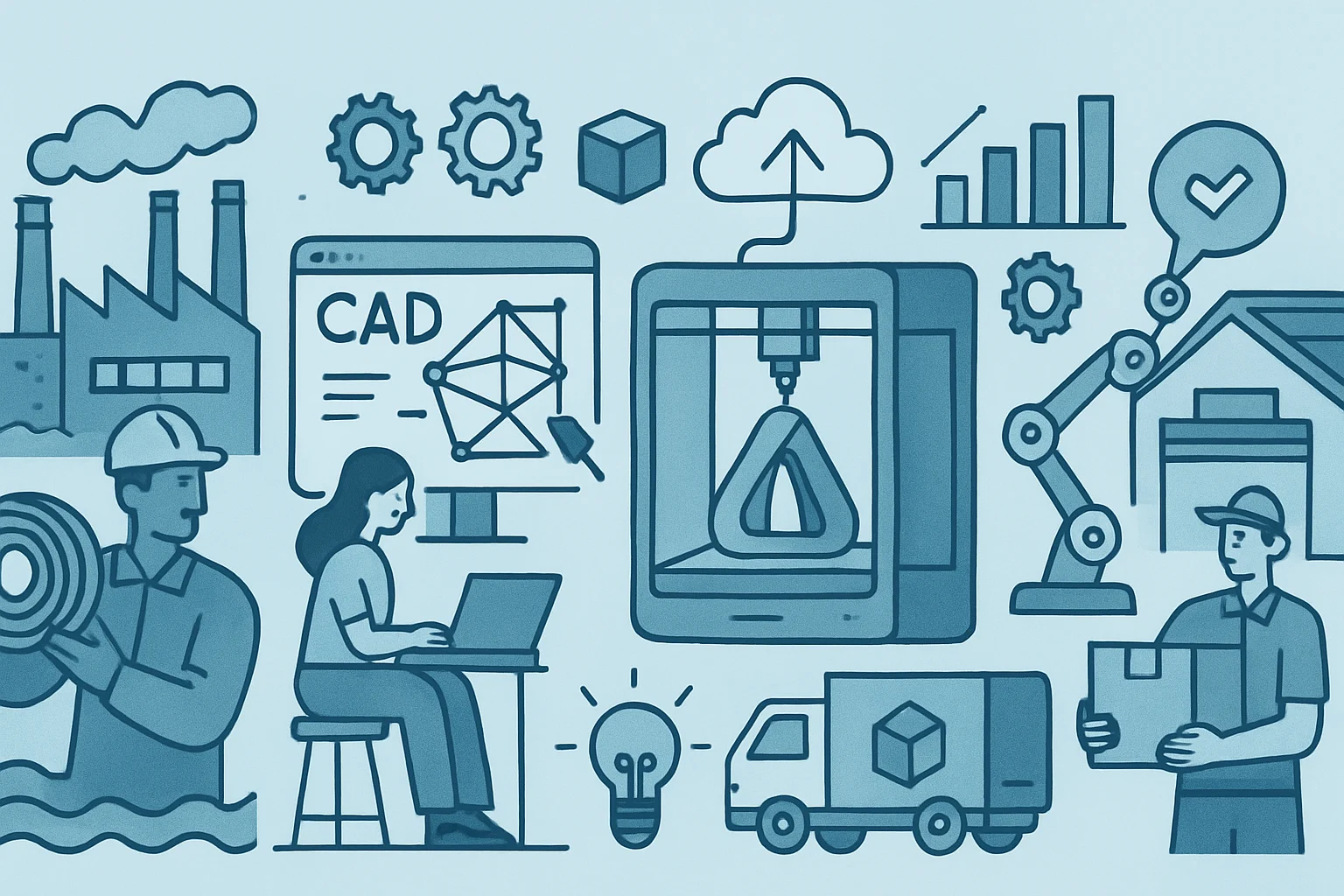
In recent years, 3D printing, also known as additive manufacturing, has gained momentum across various sectors, including architecture, engineering, and construction (AEC). One of the most significant impacts of 3D printing is its potential to revolutionize supply chain management by addressing challenges like disruption, inefficiencies, and high costs. This article delves into how 3D printing is transforming supply chains, providing practitioners—engineers, architects, builders, and real-estate professionals—with insights on harnessing this innovation.
Understanding Supply Chain Disruption
Supply chain disruption can arise from various sources, including natural disasters, political instability, and pandemics like COVID-19. These disruptions often lead to delays, increased costs, and a shortage of materials. Traditional supply chain models rely heavily on global manufacturers and suppliers who may be thousands of miles away from the end-users. When these supply chains break down, it leaves businesses struggling to meet demand.
3D printing offers a solution to these challenges by reducing dependency on long and fragile supply chains. With the ability to manufacture parts and products on-demand and on-site, companies can alleviate the risks associated with traditional supply chain routes.
How 3D Printing Innovates Supply Chain Management
3D printing introduces several enhancements to supply chain management. Here are some key ways it innovates the landscape:
- On-Demand Production: 3D printing allows for the production of parts and products as needed, significantly minimizing the need for large inventories. This immediacy reduces costs related to warehousing and excess stock.
- Decentralization: Manufacturers can produce items closer to the point of demand, which reduces transportation costs and aligns with sustainability goals by lowering carbon footprints.
- Customization: 3D printing facilitates the creation of personalized products tailored to specific customer needs, which is a departure from mass production.
- Rapid Prototyping: This technology enables faster design iterations and testing, encouraging innovation and shortening the product development cycle.
- Complex Geometries: 3D printing can produce intricate designs that might be impossible to manufacture through traditional means, leading to innovative products.
Case Studies: Industries Embracing 3D Printing
Several industries have begun harnessing the power of 3D printing to enhance their supply chain operations. Here, we highlight a few notable examples:
Aerospace Industry
The aerospace sector has integrated 3D printing for producing lightweight components. For instance, companies like Boeing have leveraged additive manufacturing to create complex parts that are both cost-effective and lighter, improving fuel efficiency.
Healthcare
The healthcare sector has rapidly adopted 3D printing for customizing medical devices and even bioprinting tissues. On-demand production of prosthetics and personalized implants reduces lead time and enhances patient outcomes.
Construction
In construction, 3D printing technology has been employed to create entire structures within days. Companies like ICON are printing homes using local materials, significantly cutting down on labor and construction costs while addressing housing shortages.
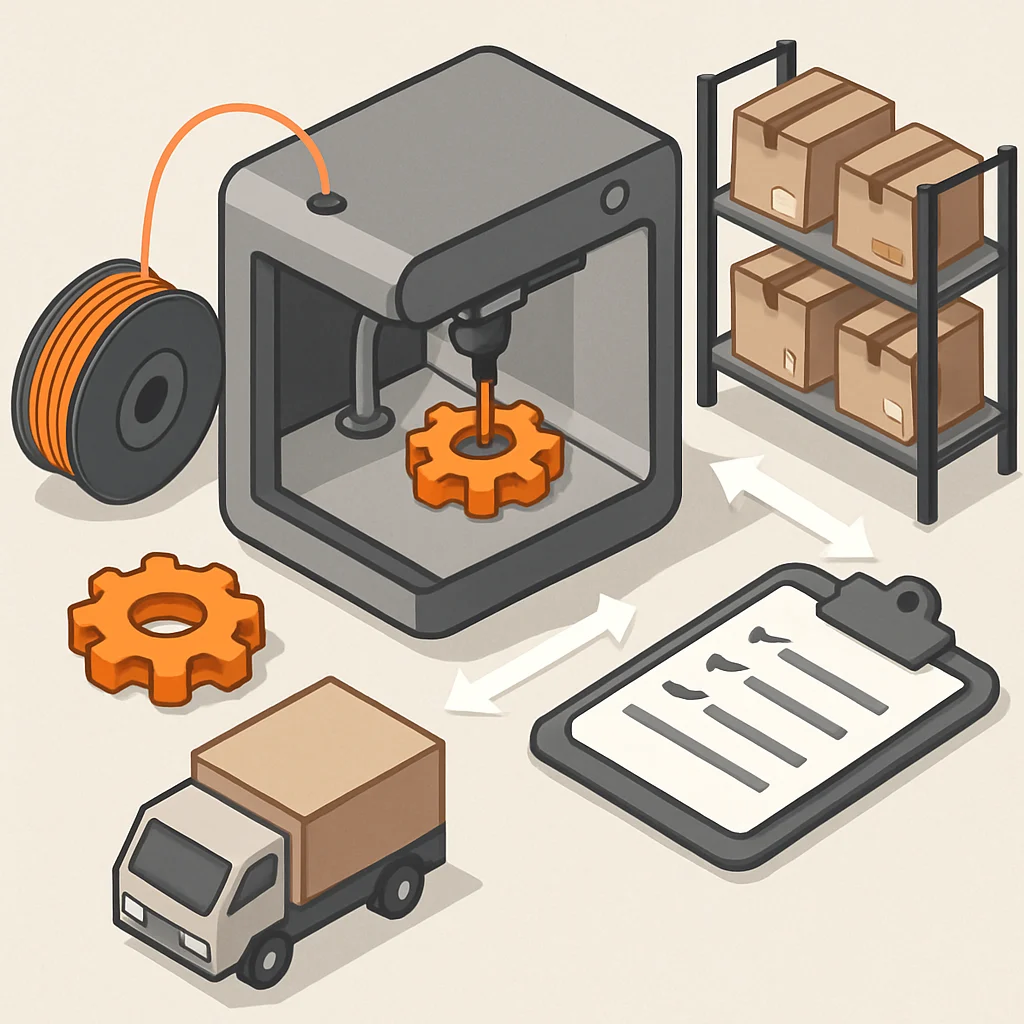
Challenges of Adopting 3D Printing in Supply Chains
While the benefits of 3D printing in supply chain management are compelling, organizations must navigate several challenges:
- Initial Investment: High upfront costs related to 3D printers and materials can deter small to medium-sized enterprises from adopting the technology.
- Quality Control: Maintaining consistent quality across 3D printed products can pose challenges, necessitating rigorous testing and validation.
- Regulatory Compliance: Industries like aerospace and healthcare often face stringent regulations that can complicate the adoption process.
- Material Limitations: While advances are being made, not all materials commonly used in traditional manufacturing are readily available for 3D printing.
Future Trends in 3D Printing and Supply Chain Management
Looking forward, the trend towards integrating 3D printing in supply chains will only intensify. Key future trends include:
- Increased Use of Advanced Materials: Innovations in material science will lead to a broader range of materials being suitable for 3D printing, enabling diverse applications.
- Integration with AI and Machine Learning: These technologies will improve predictive analytics in supply chain management, helping to anticipate disruptions and optimize 3D printing processes.
- Sustainability Focus: As companies increasingly prioritize sustainability, 3D printing can contribute to more eco-friendly practices by reducing waste and supporting localized production.
- Widespread Adoption Across Industries: As familiarity and technology improve, more sectors will likely adopt 3D printing for its logistical advantages.
Conclusion
The advent of 3D printing is reshaping supply chain management by introducing innovative solutions to longstanding challenges. By enabling on-demand production, minimizing disruption risks, and encouraging sustainability, 3D printing presents a transformative opportunity for engineers, architects, builders, and real estate professionals. While challenges remain, the future of supply chains will likely be increasingly intertwined with the capabilities of 3D printing technology. Practitioners who invest in understanding and implementing these innovations will be well-positioned to navigate the evolving landscape of supply chain management.